
Share
Tweet
Share
Share
The British monarchy stands at a pivotal crossroads in 2025, driven by King Charles III’s worsening health following a cancer diagnosis in February 2024. At 76, the king, who ascended the throne in September 2022 after Queen Elizabeth II’s death, has seen his public duties plummet from over 200 engagements in 2024 to fewer than 50 this year, as intensive treatments take precedence. This health crisis has thrust Prince William, 42, and Kate Middleton, also 42, into the forefront of an accelerated succession plan, reshaping the monarchy’s future. With no remission reported and speculation about abdication growing, the royal family is preparing for a historic transition, positioning William and Kate as central figures to ensure the Crown’s continuity. Amid their own personal challenges—Kate’s cancer diagnosis in January 2024—the couple’s 75% public approval rating, compared to Charles’s 50%, underscores their critical role in navigating the monarchy through mounting pressures, including rising republicanism in the 56-nation Commonwealth and domestic scrutiny over the institution’s £100 million annual cost.
William has taken on 80% of his father’s responsibilities in 2025, a significant leap from his 150 engagements in 2024, which included high-profile events like the Notre-Dame Cathedral reopening in Paris. His efforts, coupled with managing key royal estates like the Duchy of Cornwall, signal his readiness to lead. Kate, despite reducing her engagements from 120 in 2023 to 40 in 2024 due to her treatment, plans 60 events in 2025, focusing on early childhood education. Their intensive training in royal protocols, foreign policy, and modernization efforts has bolstered their public image, with 70% of Britons viewing them as “relevant” to the monarchy’s future, compared to 55% for Charles. The monarchy, contributing £1.8 billion annually to the UK economy, faces a delicate balancing act as William and Kate strive to preserve its legacy.
The Commonwealth, representing 2.5 billion people, is a focal point of this transition. While 14 nations still recognize the monarch as head of state, Barbados’s departure in 2021 and planned referendums in six countries, including Australia and Jamaica, by 2025 highlight growing republican sentiment. William’s 10 international trips planned for 2025 and Kate’s humanitarian focus aim to strengthen these ties, leveraging their 20% higher approval rating to counter calls for change. As Charles’s reign, potentially the shortest since Edward VIII’s in 1936, faces uncertainty, the monarchy’s future hinges on the couple’s ability to modernize while honoring tradition, ensuring stability in a rapidly evolving global landscape.
Key challenges facing the monarchy
The accelerated succession brings several critical issues to the forefront:
Charles III’s health decline: Limited to fewer than 50 engagements in 2025 due to cancer treatment.William’s increased role: Handling 80% of royal duties, including 10 international trips in 2025.Kate’s recovery: Planning 60 engagements in 2025 post-cancer treatment.Commonwealth tensions: Six nations debate republicanism, with referendums planned by 2030. 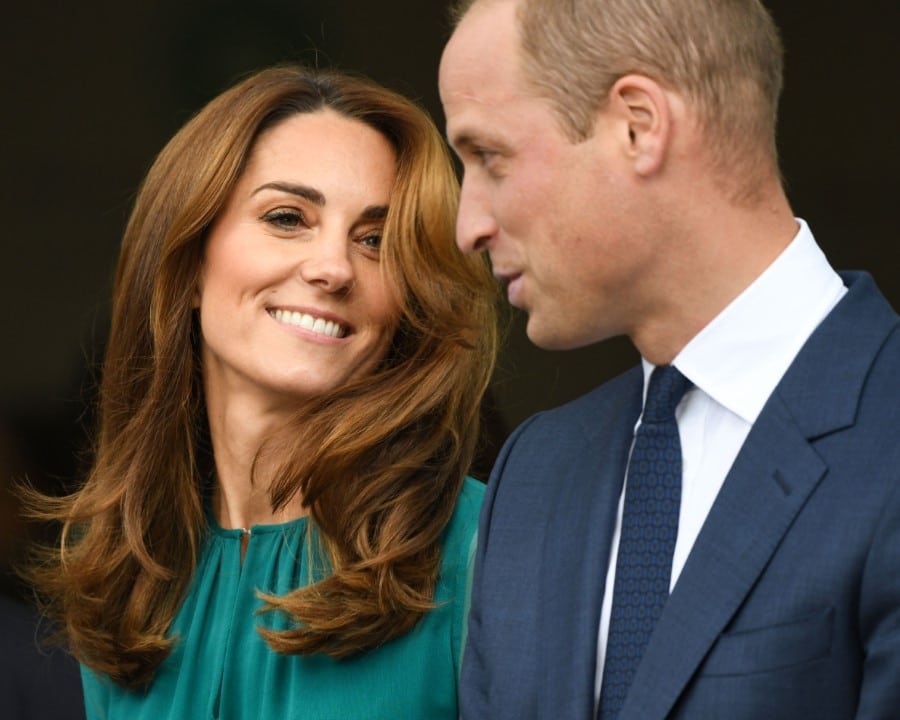 William e Kate – Foto: B. Lenoir / Shutterstock.comHealth crisis reshapes royal dynamics
Charles III’s cancer, detected after a procedure for benign prostate enlargement in early 2024, has drastically altered the monarchy’s operations. From 200 engagements in 2024, his public appearances dropped to under 50 in 2025, reflecting the severity of his condition. Buckingham Palace has not disclosed the cancer type, but the lack of remission has curtailed his international commitments, with only 10 trips in 2024 compared to 25 in 2023. This shift has placed William at the helm, managing key institutions and estates like the Duchy of Cornwall, which generates £20 million annually, ensuring operational continuity.
Kate Middleton’s own battle with cancer, diagnosed after abdominal surgery in January 2024, further complicates the transition. Her engagements fell from 120 in 2023 to 40 in 2024, but her planned 60 events in 2025 signal a gradual return, focusing on initiatives like early childhood education that reached 2 million children last year. The couple’s resilience has boosted their approval rating by 10% since 2023, reaching 75%, a stark contrast to Charles’s 50%. This public support is vital as the monarchy navigates a period of uncertainty, with Charles maintaining constitutional duties, such as weekly meetings with the prime minister, despite his reduced capacity.
Speculation about abdication intensified in 2025, though no official statement confirms this. Charles’s visit to Italy in April 2025, including a historic address to the Italian Parliament, was a rare public moment, underscoring his commitment to his role despite health challenges. The monarchy’s ability to adapt, led by William and Kate, will determine its stability as Charles’s reign faces an uncertain timeline.
Modernization efforts gain momentum
William and Kate are spearheading efforts to modernize the monarchy, addressing criticisms about its relevance and £100 million annual cost. Their charitable initiatives, which reached 5 million people in 2024, generated £50 million in donations, with William’s mental health projects raising £20 million and Kate’s education programs supporting 2 million children. These efforts contrast with Charles’s declining approval, which fell from 65% in 2023 to 50% in 2025 due to his limited public presence.
Public perception favors the couple, with 70% of Britons viewing them as essential to the monarchy’s future, compared to 55% for Charles. Their focus on issues like sustainability and mental health resonates with younger audiences, helping to counter the 40% of Britons who questioned the monarchy’s value in 2024 polls. The institution’s £1.8 billion economic contribution, including £500 million from tourism, underscores its significance, but William and Kate’s 20% higher approval rating is a key asset in maintaining public support.
In 2025, William’s 10 international trips and Kate’s 60 planned engagements aim to project a forward-looking monarchy. Their initiatives, such as William’s sustainability projects benefiting 5 million people, align with global priorities, enhancing the Crown’s relevance. As the monarchy faces scrutiny, the couple’s ability to balance tradition with innovation will shape its trajectory in a rapidly changing world.
Line of succession clarified
The health crisis has sharpened focus on the royal succession:
Prince William: Next in line to assume the throne.Kate Middleton: Future Queen Consort, supporting William’s reign.Prince George: First in line after William, aged 11.Princess Charlotte and Prince Louis: Second and third in line.Prince Harry: Fifth, followed by his children, Archie and Lilibet.Commonwealth faces republican pressures
The Commonwealth, encompassing 2.5 billion people, is at a crossroads, with 14 nations still recognizing the monarch as head of state. Barbados’s exit in 2021 set a precedent, and six countries, including Australia and Jamaica, plan debates on republicanism in 2025, with 10 more eyeing referendums by 2030. Charles’s October 2024 visit to Australia, while diplomatically significant, sparked protests, including accusations of genocide by Aboriginal Senator Lidia Thorpe, highlighting colonial grievances.
William’s 10 planned Commonwealth trips in 2025 aim to reinforce cultural and economic ties, leveraging his 75% approval rating, compared to Charles’s 50%. Kate’s 60 engagements, focusing on humanitarian causes, complement these efforts, with her education initiatives reaching 2 million children in 2024. The couple’s popularity, 20% above the royal average, is a critical tool to preserve the Commonwealth’s unity, especially as nations like Jamaica signal intentions to abolish the monarchy by 2025.
The monarchy’s global influence is under scrutiny, with its £100 million cost contrasted against its £1.8 billion economic impact. The debate over colonial legacies and reparations adds complexity, requiring William and Kate to navigate sensitive diplomatic waters. Their ability to foster goodwill while addressing historical grievances will determine the Commonwealth’s future alignment with the Crown.
Historical context of royal transitions
The British monarchy’s history offers perspective on the current shift:
1936: Edward VIII abdicates to marry Wallis Simpson, succeeded by George VI.1952: George VI’s death crowns Elizabeth II at 25, launching a 70-year reign.2022: Elizabeth II’s passing elevates Charles III at 73.
These transitions underscore the monarchy’s adaptability. Charles’s reign, potentially one of the shortest since Edward VIII, is constrained by health challenges, accelerating William’s rise. The couple’s preparation, rooted in modernization and public engagement, aims to ensure the Crown’s longevity in a skeptical era.
Intensive preparation for William and Kate
William’s assumption of 80% of Charles’s duties in 2025 marks a significant step toward the throne. His 2024 schedule, with over 150 engagements, including the Notre-Dame reopening, and leadership of mental health initiatives raising £20 million, demonstrates his readiness. In 2025, he plans 10 international trips and over 20 meetings with foreign policy experts, while managing the Duchy of Cornwall’s £20 million annual revenue.
Kate, recovering from cancer, reduced her engagements to 40 in 2024 but plans 60 in 2025, focusing on early childhood education projects that supported 2 million children. The couple’s resilience, facing personal health crises, has lifted their approval rating by 10% since 2023 to 75%. Their modernization efforts, including sustainability initiatives reaching 5 million people, position them as leaders capable of adapting the monarchy to contemporary demands.
The couple’s training encompasses royal protocols, estate management, and diplomacy, ensuring they are equipped to lead the UK and Commonwealth. Their ability to connect with younger audiences, with 70% viewing them as “relevant,” contrasts with Charles’s 55%, making their leadership pivotal as the monarchy navigates a transformative period.
Economic significance of the monarchy
The monarchy contributes £1.8 billion annually to the UK economy, with £500 million from tourism in 2024. The Sovereign Grant, funding royal activities, was £86.3 million in 2024-2025 but will rise to £132 million in 2025-2026, driven by Crown Estate profits from offshore wind farms. Despite this, the monarchy’s £100 million cost faces criticism, with 40% of Britons questioning its value in 2024.
William and Kate counter this with impactful charity work, raising £50 million in 2024 and benefiting 5 million people. Their 75% approval rating, 20% above the royal average, bolsters the monarchy’s case, especially among younger demographics, with 70% viewing them as vital to its future. In 2025, their international engagements and domestic initiatives will continue to highlight the Crown’s economic and cultural contributions.
The Commonwealth’s 2.5 billion citizens amplify the monarchy’s global reach, but republican debates in six nations in 2025 challenge its influence. William and Kate’s high approval and modernization efforts are critical to maintaining these ties, ensuring the monarchy’s economic and diplomatic relevance amid calls for change.
Republicanism and Commonwealth dynamics
The Commonwealth faces a pivotal moment in 2025, with six nations debating the monarchy’s role as head of state. Barbados’s 2021 departure and Jamaica’s signaled intent to follow by 2025 highlight a shift toward republicanism, with 10 countries planning referendums by 2030. Charles’s 2024 Australia visit, while successful, faced protests, including Senator Lidia Thorpe’s accusations of genocide, underscoring colonial tensions.
William’s 10 planned Commonwealth trips in 2025 aim to preserve these connections, leveraging his 75% approval rating. Kate’s 60 engagements, focusing on education and humanitarian causes, complement this, with her projects reaching 2 million children in 2024. Their popularity, 20% higher than Charles’s, is a key asset in countering republican sentiment, particularly in nations like Australia, where Prime Minister Anthony Albanese advocates for a republic.
The monarchy must address historical grievances, including calls for reparations, while maintaining its cultural and economic role. William and Kate’s ability to foster dialogue and project a modern monarchy will shape the Commonwealth’s future, with 2025 marking a critical juncture for its global influence.
Curiosities about the British monarchy
The monarchy is steeped in history and unique details:
Charles III became king at 73, the oldest monarch to ascend the throne.The Commonwealth spans 2.5 billion people, but only 14 nations retain the monarch as head of state.The Sovereign Grant will rise to £132 million in 2025-2026, fueled by Crown Estate wind farm profits.Preparing Prince George for the future
Prince George, aged 11, is gradually introduced to royal duties, attending five public events in 2024 as part of his preparation as the future heir. William and Kate balance his exposure with a normal childhood, ensuring he, Charlotte, and Louis are shielded from excessive pressure. George’s role underscores the monarchy’s long-term continuity, with William managing 80% of Charles’s duties and Kate planning 60 engagements in 2025.
The couple’s 75% approval rating, 20% above the royal average, reinforces their leadership as they guide George toward his future role. Their modernization efforts, reaching 5 million people through charity, and focus on issues like mental health and education, position the monarchy for relevance as the next generation prepares to lead.
The monarchy faces a defining moment in 2025, with Charles’s health limiting his reign and republicanism challenging its global influence. William and Kate’s high approval and proactive modernization efforts are pivotal to ensuring the Crown’s stability, setting the stage for a new era under their leadership.
 British monarchy, British monarchy transition, Câncer, Charles III, Charles III health crisis 2025, Commonwealth, Commonwealth republicanism 2025, Kate Middleton, modernization, Prince William, republicanism, royal succession, UK economy, William and Kate succession