
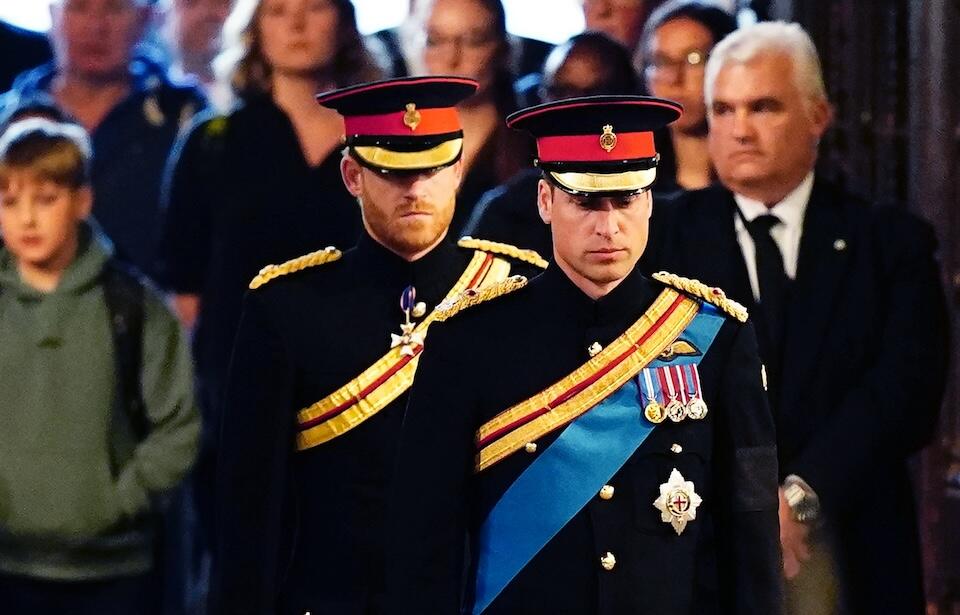
When Queen Elizabeth II passed away on September 8, 2022, the world mourned the loss of Britain’s longest-reigning monarch. In the United Kingdom, a national mourning period was declared, with thousands gathering at the Palace of Westminster to pay their respects. Among those present was Prince Harry, who had completed two tours in Afghanistan and earned a respected military career. However, during the ceremonies, he encountered an unexpected issue—he was not permitted to wear the royal “ER” cypher on his military uniform. What is the ‘ER’ cypher?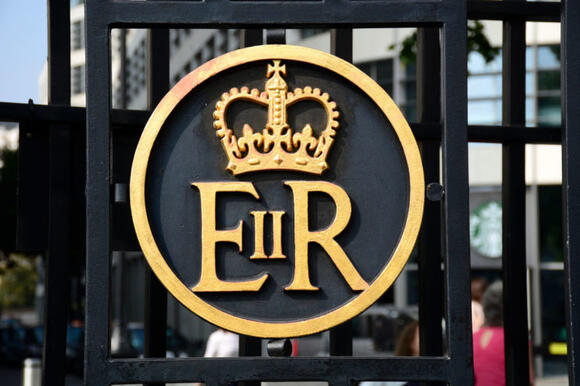
To understand why the removal of the “ER” cypher upset Prince Harry, it’s important to first grasp its significance. “ER”—or “EIIR”—was Queen Elizabeth II’s Royal Cypher, standing for Elizabeth Regina, with “Regina” meaning “Queen” in Latin.
Each British monarch has a unique Royal Cypher, which is displayed on government buildings, Royal Family-related items, state documents, and even mailboxes throughout their reign. For 70 years, the British public became familiar with seeing “ER” everywhere. Now that Elizabeth II’s son, Charles III, has ascended the throne, the Royal Cypher will shift to “CR” and “CIIIR,” representing Charles Rex. In Latin, “Rex” translates to “King.”
The transition from “ER” to “CR” will be a gradual process.
King Charles III gave Prince Harry permission to wear his uniform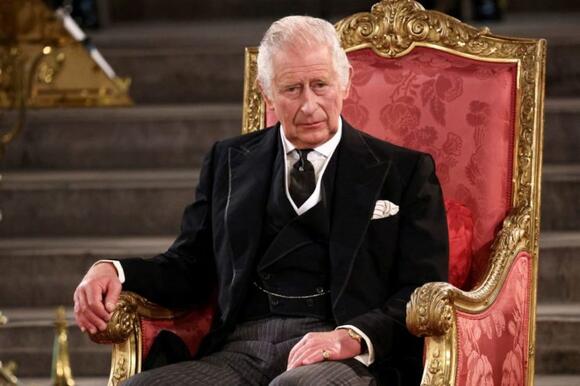
In 2020, after stepping back from royal duties and moving to California with Meghan Markle, Prince Harry gave up several honorary military titles. These included Captain General of the Royal Marines, Commodore-in-Chief of Small Ships and Diving for the Royal Navy, Honorary Air Commandant of RAF Honington, and his role as Queen Elizabeth II’s personal aide-de-camp.
Because of this, Harry was originally supposed to wear a formal morning suit—not his military uniform—during his grandmother’s vigil at Westminster Hall, alongside Prince William and their cousins. But after public backlash—especially since Prince Andrew, who had faced scandal, was seen in his vice-admiral uniform—King Charles III gave Harry special permission to wear his military uniform, acknowledging his active service and commitment.
The ‘ER’ cypher was removed from Prince Harry’s uniform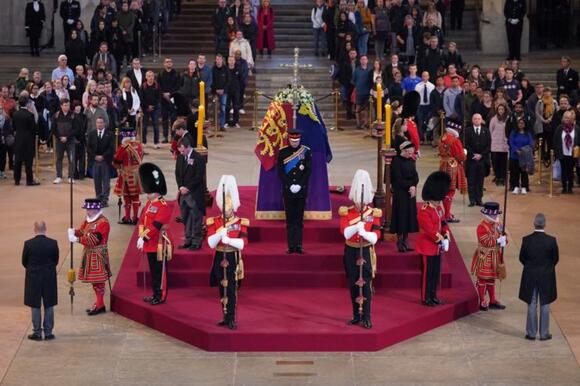
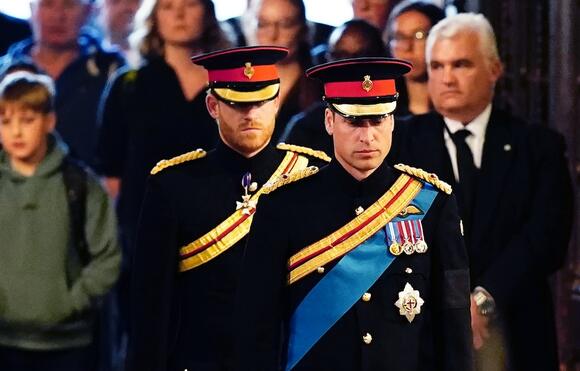
As Prince Harry, Prince William, and their cousins—Zara Tindall, Peter Phillips, Lady Louise Windsor, James, Viscount Severn, along with Princesses Beatrice and Eugenie—approached Queen Elizabeth II’s coffin for their 15-minute vigil on September 17, 2022, the absence of the “ER” cypher on Harry’s military uniform was strikingly evident. Nevertheless, he wore his Afghanistan service medal, along with those marking the Golden, Diamond, and Platinum Jubilees.
An insider told The Sunday Times that Harry felt deeply humiliated by the missing cypher, which was still visible on his brother’s uniform. He was so distressed that he even considered attending the vigil in a morning suit. This was the first time he had worn military dress since 2020, and according to the insider, the absence of the “ER” on his shoulder left Harry feeling “devastated.”
“He is heartbroken,” the insider said. “To remove his grandmother’s initials feels very intentional.”
Was the snub actually intentional?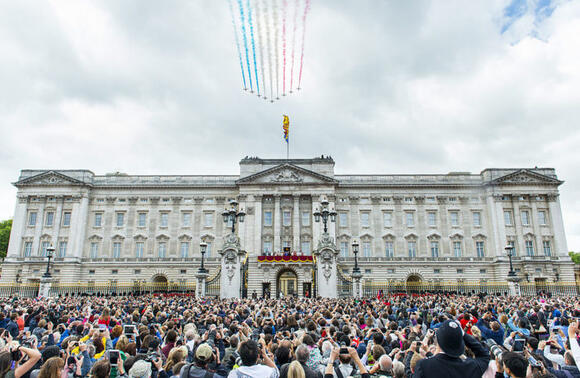
Many believe that the removal of the “ER” cypher from Prince Harry’s uniform was a deliberate insult, but that doesn’t appear to be the case. Traditionally, Queen Elizabeth II’s initials were worn only by those actively serving the British Monarchy.
According to the Royal Family’s dress code, working members who have served in the British Armed Forces must wear their uniforms during military events, such as state funerals, Remembrance ceremonies, and Trooping the Colour.
Prince Harry’s service in Afghanistan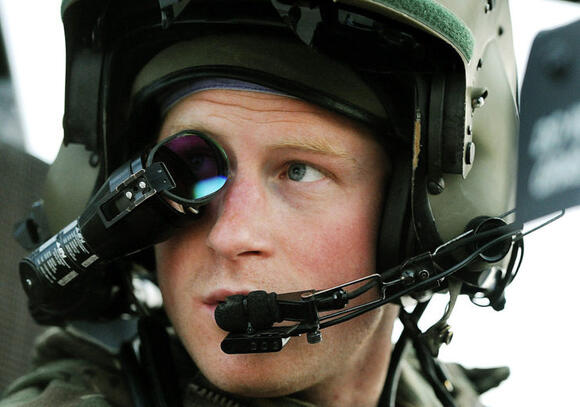
Prince Harry served in the British Army for 10 years, enrolling in the Royal Military Academy Sandhurst in May 2005 with Alamein Company. He completed his officer training a year later and was commissioned as a Cornet in the Blue and Royals, a regiment of the Household Cavalry. He was promoted to the rank of lieutenant two years later.
Following pressure from international media, the British Ministry of Defence revealed in February 2008 that Harry had been deployed to Helmand province, Afghanistan as a Forward Air Controller, with later reports stating he’d assisted Gurkhas in repelling an attack by insurgents. He also performed patrols in hostile areas. Almost immediately after the announcement was made, Harry was pulled out of the area over fears for his safety and that of his comrades.
A year after graduating from the Defence Helicopter Flying School at Royal Air Force (RAF) Shawbury in May 2010, Harry was promoted to captain. A few months later, in October 2011, he was transferred to a US military base in California to participate in helicopter gunship training. He subsequently returned to the UK, where he became a certified Apache pilot.
In September 2012, Harry return to Afghanistan, this time assigned to Camp Bastion as a co-pilot and gunner with 662 Squadron, 3 Regiment, Army Air Corps. Within days of his arrival, reports surfaced that threats had been made against his life. Following an attack on Camp Bastion that left two US Marines dead, he was moved to a safe location.
More from us:Queen Elizabeth II Snuck Out In Disguise to Join V-E Day Celebrations
Harry completed his 20-week deployment and, two years later, retired from the British Army. He has since called his service with the Armed Forces “the happiest times of my life,” and his experience in Afghanistan led him to establish the Invictus Games, an international sporting event for injured active-duty and veteran service members.