
Notícias Gratuitas Cancelar Notícias
The British monarchy is undergoing a quiet transition. King Charles III, at 76, continues treatment for cancer diagnosed in 2023. Meanwhile, Prince William, heir to the throne, intensifies his preparation to assume the role of monarch. The possibility of an earlier-than-expected succession dominates discussions at Buckingham Palace.
The king’s health, though managed with optimism, has brought urgency to succession plans. The Prince and Princess of Wales, William and Catherine, adjust their routines to balance royal duties and raising their three children. The monarchy, ever mindful of continuity, now focuses on preparing for the next chapter.
Royal health in focus: Charles’s cancer diagnosis has shifted the succession dynamic. William’s preparation: The prince takes on more tasks previously handled by the king. Family priority: William and Kate keep their children at the forefront amid future pressures. King Charles’s health in the spotlight
King Charles III ascended the throne in 2022 at 73, becoming the oldest monarch to do so in British history. Less than a year later, in 2023, he was diagnosed with cancer, a milestone that altered expectations about his reign’s duration. In March 2025, a hospitalization due to treatment side effects raised temporary concerns, later described as a “minor bump” by royal aides.
Despite challenges, Charles maintains a demanding schedule. During a state visit to Italy in April 2025, he planted a tree alongside Queen Camilla, joking about hoping to see it grow. The gesture, though lighthearted, reflects the king’s awareness of his mortality. His commitment to work remains unwavering, with daily engagements often defying medical advice.
Queen Camilla, often described as a stabilizing presence, expresses concern over her husband’s relentless pace. Close aides report that the king, known for impatience and determination, rarely slows down, even during treatment. This stance reflects the personality of a monarch who waited decades to assume the throne and now seeks to cement his legacy.
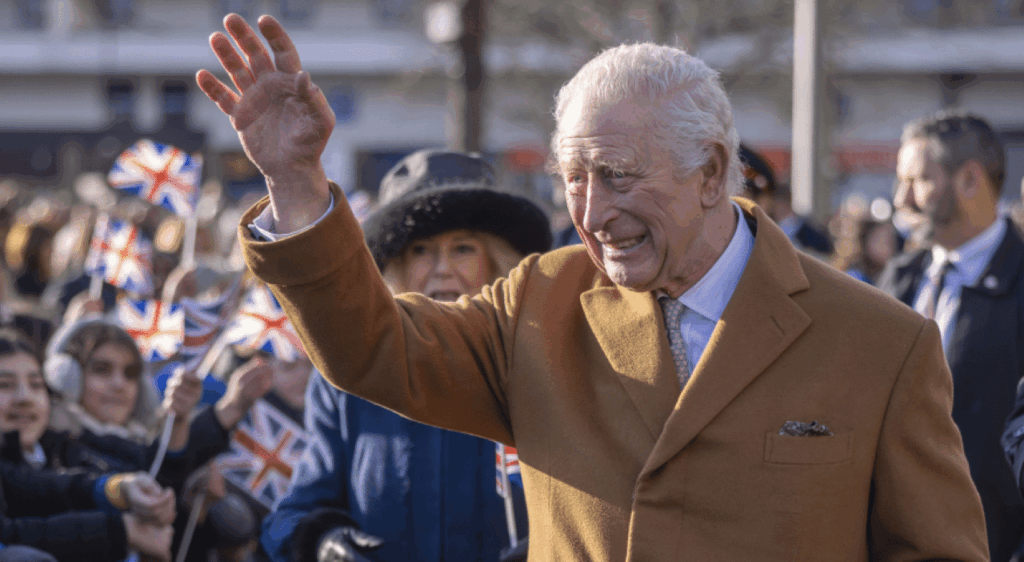
Impactful diagnosis: Charles’s cancer was revealed in 2023 after routine tests. Recent hospitalization: In March 2025, treatment side effects led to a brief stay. Full schedule: The king maintains international commitments, like the Italy visit. Camilla’s concern: The queen worries Charles is pushing himself too hard. Rei Charles III e rainha Camila Londres – Foto: Divulgação William’s accelerated preparation

Prince William, at 42, is at the heart of succession plans. While there’s no formal training for becoming monarch, he is gradually taking on responsibilities once held by Charles. State visits, diplomatic events, and charitable engagements now fill much of his schedule, signaling a careful transition.
William’s preparation predates Charles’s diagnosis. The king’s advanced age already prompted succession discussions. The cancer diagnosis, however, added urgency, with royal aides stepping up the pace of changes. William, described as resilient, balances these demands with family life, prioritizing his children, George, Charlotte, and Louis.
During Easter 2025, while Charles fulfilled duties in Italy, William and Kate took a school break to ski in the French Alps with their children. The brief leisure moment highlights the couple’s effort to maintain normalcy amid monarchy pressures. William’s schedule, however, reflects his growing visibility as the future king, with appearances at events like diplomatic receptions and traditional ceremonies.
Kate’s role in the transition
The Princess of Wales, Catherine, also plays a crucial role in preparing for the future reign. Diagnosed with cancer in 2023, she announced her remission in January 2025, gradually resuming royal duties. Her recovery brought relief to the royal family but underscored the need for careful succession planning.
Kate, at 43, is seen as a central figure in maintaining the monarchy’s stability. Her engagements focus on causes like mental health, early childhood education, and family support, areas she aims to expand as queen consort. At recent events, such as a diplomatic reception in London in November 2024, she displayed confidence and poise, solidifying her role as a public leader.
The princess also prioritizes raising her children, ensuring George, Charlotte, and Louis have a structured routine. Aides note that Kate and William work to shield their children’s privacy, even as they prepare them for future royal roles. This approach reflects the couple’s effort to modernize the institution while preserving its traditions.
Kate’s recovery: The princess announced cancer remission in January 2025. Royal duties: She resumed public events, like diplomatic receptions. Family focus: Kate balances royal obligations with parenting. Modernization: The couple aims to adapt the monarchy to contemporary expectations. Charles’s relentless routine
Despite health challenges, King Charles III keeps a schedule that rivals younger monarchs. After his March 2025 hospitalization, he returned to work the same evening, dining with Camilla and reviewing official documents. This dedication, though admired, worries those around him, who fear the king is ignoring signs of fatigue.
The April 2025 Italy visit exemplified his determination. Over four days, Charles attended official events, including meetings with authorities and the symbolic tree planting, which drew media attention. His ability to maintain this pace during treatment is seen as a reflection of his drive to leave a lasting legacy.
The king continues to champion causes like sustainability and environmental preservation, themes that defined his time as Prince of Wales. In recent events, he advocated for climate initiatives, reinforcing his stance as an engaged monarch. This energy, however, contrasts with visible signs of tiredness noted by aides and journalists during public appearances.
Longevity in the royal family
The British royal family has a tradition of longevity. Queen Elizabeth II, Charles’s mother, lived to 96, while Prince Philip, his father, reached 99. This history led many to assume Charles would also reach an advanced age. The cancer diagnosis, however, shifted these expectations, bringing a new perspective on his reign’s duration.
Charles waited over seven decades to assume the throne, a period he described as a “long apprenticeship.” During that time, he distinguished himself as Prince of Wales, leading initiatives in architecture, organic farming, and philanthropy. Now, as king, he aims to solidify these achievements but acknowledges his time may be limited.
Elizabeth II’s legacy: The queen reigned for 70 years, setting a longevity benchmark. Charles’s wait: He ascended after decades as heir. Shifted plans: Cancer altered expectations for his reign’s length. Legacy focus: Charles seeks to leave a distinct mark as monarch. William as the monarchy’s face
Prince William has emerged as a central figure in the monarchy amid Charles and Kate’s health challenges. In 2024, he described the year as “brutal,” highlighting the difficulty of coping with his father’s and wife’s cancer diagnoses. Despite this, William maintained a steady public presence, representing the monarchy at events like Trooping the Colour and international visits.
His visibility has grown significantly, with engagements ranging from traditional ceremonies to modern initiatives like the Homewards project, aimed at tackling homelessness. William also seeks to connect with younger generations, using digital platforms to promote his causes. This approach reflects his intent to shape a more accessible and relevant monarchy.
The pressure on William is evident. Aides report he feels the weight of his responsibilities but avoids letting concerns about the future dominate his decisions. His priority remains supporting Kate and their children while taking on an increasingly prominent role in the monarchy.
Succession planning
Succession plans in the British monarchy are handled discreetly but have been underway for years. Charles’s advanced age, even before his diagnosis, prompted discussions about the transition to William. The king’s cancer, however, accelerated these talks, with aides working to ensure a smooth handover.
While Charles actively participates in these discussions, as his mother did, the focus is on preparing William for the challenges of kingship. This includes increasing his exposure to royal duties, such as leading diplomatic receptions and representing the UK abroad. The transition, though planned, is seen as a natural process guided by the tradition of learning by example.
The monarchy also considers Kate’s role, as she is expected to take on significant responsibilities as queen consort. Her popularity and dedication to social causes make her a key figure in the institution’s continuity. The planning, though discreet, reflects the royal family’s determination to maintain stability amid uncertainty.
Longstanding talks: Succession was planned due to Charles’s age. Recent urgency: The cancer diagnosis intensified preparations. Kate’s role: The princess is seen as vital to the monarchy’s future. Tradition upheld: The transition follows a practical learning model. Wales family balance
William and Kate face the challenge of preparing for the throne while raising three young children. George, 11, Charlotte, 9, and Louis, 6, are the couple’s main focus, with their schedule built around the school calendar. Royal trips and public engagements are planned to minimize disruption to the children’s routine.
The couple also strives to protect their children’s privacy, limiting their public appearances to carefully chosen events like Trooping the Colour. George, as the future heir, joins some official occasions, but William and Kate insist on giving him as normal a childhood as possible. This approach reflects their vision of a monarchy balancing tradition and modernity.
During school holidays, like Easter 2025, the family enjoys leisure moments, such as the French Alps trip. These breaks are seen as essential for maintaining family unity amid royal pressures. William and Kate’s dedication to their children is widely recognized, with aides praising their ability to juggle public and private roles.
Charles’s legacy in progress
King Charles III is determined to leave his mark as monarch, even with potentially limited time. His reign, which began in 2022, is defined by a commitment to causes like sustainability, cultural diversity, and support for UK communities. Events like the Italy visit reinforce his dedication to these priorities.
As Prince of Wales, Charles built a significant legacy with initiatives like the Prince’s Trust, which supported millions of young people. Now, as king, he seeks to expand this impact, promoting projects that reflect his personal passions. His schedule, though demanding amid treatment, remains focused on achieving these goals.
The king also maintains a direct connection with the public, attending events that underscore the monarchy’s relevance. His ability to keep working, even in tough circumstances, is seen as a testament to his resilience. Aides note that Charles views his reign as a chance to solidify decades of preparatory work.
Priority causes: Sustainability and diversity are central to the reign. Prince’s Trust: The initiative continues to impact UK youth. Demanding schedule: Charles keeps commitments despite treatment. Royal resilience: The king shows determination to meet his goals. Kate’s growing visibility
The Princess of Wales resumed public duties with renewed energy after her remission. In 2025, she attended events like visits to mental health organizations and an educational project in London. Her presence, often alongside William, reinforces the image of a united and engaged monarchy.
Kate also uses her platform to promote causes beyond royal traditions. Her mental health campaign, launched years ago, gained new relevance with her cancer recovery. In recent speeches, she emphasized psychological support for families, connecting with the public personally.
The princess maintains a careful balance between public and private roles. While taking on more royal duties, she prioritizes time with her children, attending school events and family activities. Her ability to navigate these demands makes her an admired figure, both in the UK and globally.