
Share
Tweet
Share
Share
Prince William, the direct heir to the British throne, is at the center of speculation about the Crown’s succession. Rumors suggest that the Prince of Wales, the eldest son of King Charles III, has intensified preparations to assume leadership of the monarchy. The current sovereign’s fragile health, as he undergoes cancer treatment, fuels discussions about a potential transition. While Buckingham Palace remains discreet, sources close to the royal family indicate that William aims to stabilize the monarchy during a challenging period.
King Charles III’s hospitalization in March 2025, due to complications from his cancer treatment, marked a turning point. The king, at 76, has shown signs of fatigue during official engagements, raising concerns about his ability to fulfill the monarchy’s demanding roles. William, in turn, has taken on prominent duties, stepping in for his father at public events and reinforcing his position as the future leader.
King’s health: Charles III faces side effects from an unspecified cancer, with frequent hospitalizations.William’s role: The prince has represented the Crown at international and domestic events.Ongoing transition: Sources indicate the heir is already organizing administrative details for the succession.
The British monarchy, one of the world’s oldest institutions, faces a delicate moment. Recent scandals, including family tensions and financial issues, have shaken the Crown’s image, making William’s leadership a topic of significant public interest.
King Charles III’s health
Charles III, diagnosed with cancer in 2024, maintains an official schedule despite the limitations imposed by his condition. In April 2025, the sovereign traveled to Italy, where he met with Pope Francis. The trip, marked by efforts to project vitality, was closely followed by the international press. Palace sources emphasize that the king strives to fulfill his duties, even while battling fatigue and treatment side effects.
The monarch’s health, though not publicly detailed, has sparked speculation about his capacity to lead. The cancer, with its type undisclosed, requires ongoing care, including sporadic hospitalizations for monitoring. Charles’s advanced age, combined with the responsibilities of governing, intensifies the succession debate. While the king persists in his functions, William gradually assumes greater prominence, participating in events that underscore his preparation for the throne.
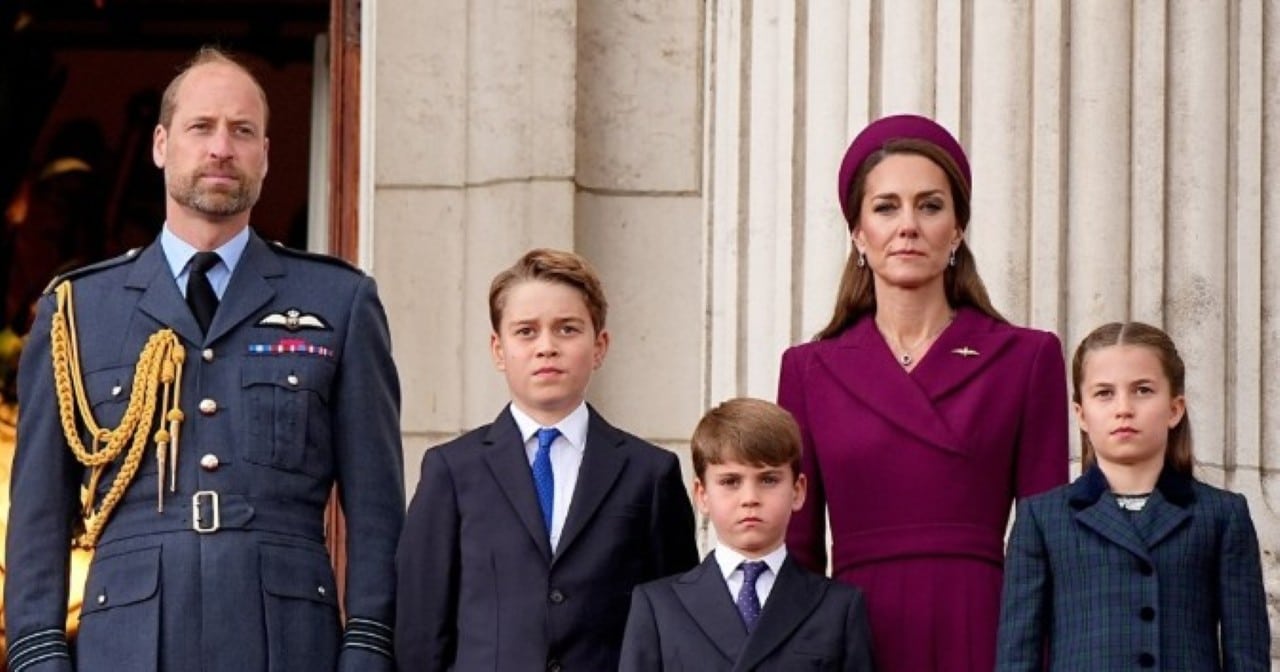 Prince William and family – Foto: InstagramWilliam’s preparations for succession
Prince William, at 42, is at the forefront of succeeding Charles III. As the eldest son of the king and Princess Diana, he bears the responsibility of leading the monarchy through a period of transformation. Sources close to Buckingham Palace state that William has begun internal discussions on the transition, addressing everything from administrative matters to modernizing the Crown.
Strategic meetings: William has met with advisors to plan his ascension.Public presence: The prince has increased his participation in official events, such as ceremonies and international trips.Support from Kate Middleton: The Princess of Wales plays a central role, strengthening the royal couple’s image.Focus on stability: William seeks to bolster public confidence in the monarchy, shaken by recent controversies.
The heir also works to balance his current duties with preparations for the future. His experience as Prince of Wales, coupled with a discreet approach, is seen as an asset for handling the pressures of the role. The transition, though not yet official, is viewed as a priority to ensure the institution’s continuity.
Kate Middleton’s role in the monarchy
Kate Middleton, William’s wife, is set to become queen consort when the prince ascends the throne. At 43, the Princess of Wales has distinguished herself through her dedication to social causes, such as mental health and early childhood education. Her popularity among the British public is a valuable asset for the monarchy, especially during a time of uncertainty.
During Charles III’s hospitalization, Kate took on additional commitments, representing the royal family at charitable events. Her graceful and approachable demeanor contrasts with the Crown’s traditional formality, bringing the monarchy closer to younger generations. The princess also supports William in strategic decisions, solidifying the couple as an influential duo in the institution’s future.
Kate’s preparation for the role of queen includes training in protocol and crisis management. Her experience as a mother to three children—George, Charlotte, and Louis—also shapes her approach, emphasizing family values. The princess, who faced her own cancer diagnosis in 2024, demonstrates resilience, reinforcing her image as a central figure in the transition.
Line of succession and the Crown’s future
The British monarchy follows a strict line of succession, with William in first place, followed by his children: George, Charlotte, and Louis. Should Charles III abdicate or pass away, William automatically assumes the throne, becoming King William V. Prince George, currently 11, becomes the next in line, a responsibility already drawing media attention.
Prince George: William’s direct heir, being prepared for royal duties from a young age.Princess Charlotte: Second in line, she has stood out in public appearances.Prince Louis: Third in the succession, completing the young core of the royal family.Queen Camilla: With William’s ascension, Camilla will become queen dowager.
The succession also raises questions about the roles of other royal family members. Prince Harry, William’s brother, remains distanced from official duties, living in the United States. His strained relationship with the Crown reinforces William and Kate’s centrality in modernizing the monarchy. The new generation, led by George, represents an opportunity to renew the institution’s image.
International trips and royal duties
Charles III’s international trips, even amid treatment, reflect his commitment to the Crown. The April 2025 visit to Italy, accompanied by Queen Camilla, was a milestone. The meeting with Pope Francis, despite health limitations for both, symbolized the monarchy’s diplomatic relevance. Charles, described as “courageous” by aides, sought to maintain the schedule to avoid speculation about his frailty.
William, meanwhile, has expanded his global presence. In 2025, the prince attended environmental summits and charitable events, reinforcing the Crown’s progressive agenda. His work on issues like sustainability and mental health aligns the monarchy with contemporary concerns, attracting support from younger audiences. The division of tasks between father and son highlights the gradual transition underway.
Scandals and challenges of the monarchy
The British monarchy faces turbulence beyond Charles III’s health. In recent years, scandals involving royal family members have shaken public confidence. The departure of Harry and Meghan Markle from royal duties in 2020 sparked controversies that persist. Additionally, allegations of financial irregularities in Crown-related foundations have fueled criticism.
Family tensions: The relationship between William and Harry remains distant, with few public interactions.Financial issues: Investigations into royal funds have sparked parliamentary debates.Public image: The monarchy seeks to rebuild trust amid criticism over privileges.
William, aware of these challenges, prioritizes a transparent approach. His initiatives, such as launching social programs, aim to strengthen the Crown’s relevance. Kate’s popularity also plays a crucial role, with polls indicating the couple is well-regarded across age groups.
History of British succession
The British monarchy has a long tradition of transitions, many marked by crises. Charles III’s ascension in 2022, following Queen Elizabeth II’s death, was a moment of national mourning. Elizabeth, who reigned for seven decades, left a legacy of stability but also a landscape of social changes challenging the Crown.
William, preparing for the throne, studies predecessors like his grandfather, George VI, who assumed the role in difficult circumstances. The monarchy’s history shows that successful transitions depend on adaptation. The prince, with his modern education and focus on global issues, aims to align the Crown with 21st-century values.
Public reactions to the transition
The prospect of William ascending the throne elicits varied reactions. Recent polls show 65% of Britons support the monarchy, but generational divides exist. Younger people aged 18–34 show less enthusiasm, while those over 50 value tradition. Charles III’s health has intensified the debate, with tabloids speculating about a potential abdication.
William and Kate, however, maintain high approval ratings. Events like Elizabeth II’s Platinum Jubilee in 2022 bolstered the couple’s popularity. William’s ability to balance tradition and modernity will be crucial for sustaining public support during the transition.
Prince George’s preparation
Prince George, William’s heir, is already being prepared for his future role. At 11, he participates in select events, such as official ceremonies, under his parents’ guidance. George’s education includes lessons in monarchical history and protocol, balanced with a relatively normal childhood. William and Kate aim to shield their children from excessive exposure while recognizing the importance of preparing them for succession.
George’s upbringing reflects changes in the monarchy. Unlike past generations, he attends public schools, enjoying greater freedom. His preparation, though discreet, signals the Crown’s continuity in a changing world.