Share
Tweet
Share
Share
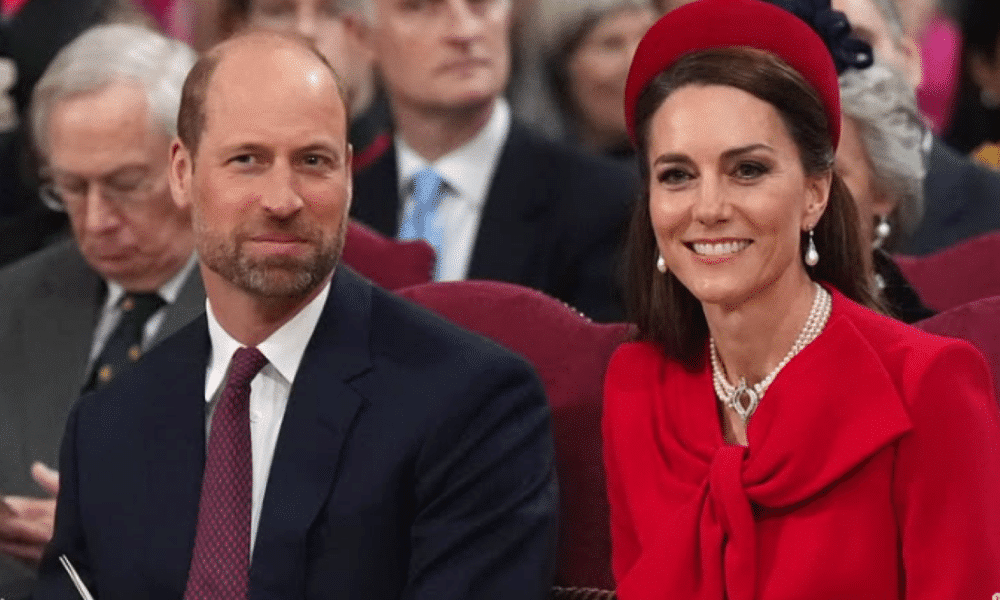
The British monarchy faces a pivotal moment. King Charles III, aged 76, is battling a cancer diagnosis announced in February 2024, with recent reports indicating an advanced stage that alarms Buckingham Palace. The monarch’s fragile health, coupled with Kate Middleton’s ongoing recovery from her own cancer diagnosis in January 2024, thrusts Prince William and his wife into the spotlight as preparations for an earlier-than-expected succession intensify. These developments drive urgent efforts to ensure the Crown’s continuity and the United Kingdom’s stability.
Charles III’s cancer was discovered during a procedure for benign prostate enlargement. Since then, the king has significantly reduced public appearances, focusing on intensive treatment. The situation mobilizes the royal family, with William taking on high-profile responsibilities, including diplomatic engagements and managing royal assets.
Meanwhile, Kate Middleton, aged 42, gradually resumes her duties after months of chemotherapy. The couple faces the challenge of balancing public commitments with health concerns while preparing to lead the monarchy during a time of global uncertainty.
Expanded duties: William represents the king at international events, such as the Notre-Dame Cathedral reopening in 2024.Strategic management: The prince oversees the Duchy of Cornwall, securing financial resources for the Crown.Public support: Kate’s resilience strengthens the monarchy’s bond with British citizens.Intensified succession preparations
Prince William, the heir apparent, is undergoing rigorous training to assume the role of king. Over recent months, he has engaged in meetings with diplomats, economic advisors, and global leaders. These activities aim to enhance his skills in governance, foreign policy, and administration of royal assets, which include significant properties and investments.
Kate Middleton, despite her cancer treatment, maintains selective public engagements. In September 2024, she attended a charity event in London, signaling progress in her recovery. Her causes, such as mental health and child development, remain priorities, reinforcing her image as an engaged future Queen Consort.
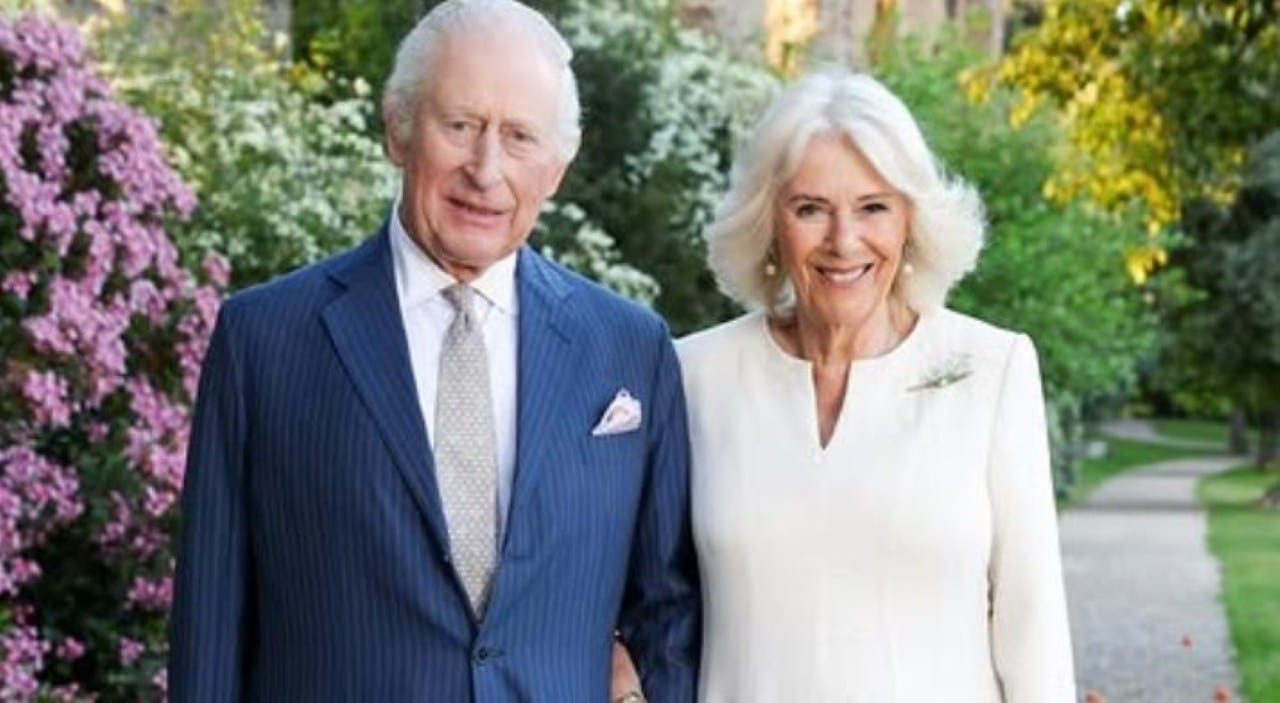 King Charles III e Queen Camila – Photo: Instagram
The couple’s preparation involves detailed briefings on royal protocols and international relations. William, who has managed the Duchy of Cornwall since 2022, makes strategic decisions to ensure the monarchy’s financial stability. Kate focuses on initiatives that promote the Crown’s modernization, aligning it with contemporary values.
Diplomatic training: William meets regularly with the prime minister and ambassadors.Social projects: Kate leads campaigns focused on education and child welfare.Modernization efforts: The couple seeks to make the monarchy more accessible and relevant.King Charles III’s health
The cancer diagnosis of Charles III, announced over a year ago, has profoundly altered the monarchy’s dynamics. The condition, identified during a routine medical procedure, prompted the king to suspend most public commitments. Traditional events, such as the Remembrance Day ceremony in November 2024, proceeded without his presence, marking a significant absence.
Buckingham Palace remains tight-lipped about the cancer’s type and severity, but recent information suggests the treatment, including chemotherapy, has not yielded the desired results. The medical team continually adjusts interventions, while the king prioritizes his health over royal duties.
The reduction in Charles III’s schedule reflects the situation’s gravity. He expresses concern for the Crown’s continuity, underscoring the urgency of William’s preparations. The monarch’s health also fuels public debates about the monarchy’s future amid political and economic challenges in the UK.
Defined line of succession
The British monarchy follows a clear line of succession. Should Charles III abdicate or pass away, William will ascend as king, with Kate Middleton becoming Queen Consort. Queen Camilla, Charles’s current wife, will take the title of Queen Dowager, with a reduced ceremonial role.
The children of William and Kate hold central positions in the line of succession:
Prince George, aged 11, will be the next heir to the throne.Princess Charlotte, aged 9, is second in line.Prince Louis, aged 6, is third in line.
Prince Harry, William’s brother, remains fifth in line, followed by his children, Archie and Lilibet. William’s preparation includes regular consultations with foreign policy experts, while Kate strengthens her presence in social causes, such as early childhood education, despite a limited schedule.
William’s role in governance
William has emerged as a central figure in his father’s absence. Beyond international engagements, he oversees the Duchy of Cornwall, a multibillion-pound estate. His decisions include investments in renewable energy and sustainable initiatives, aligned with values championed by Charles III.
The prince holds frequent meetings with the British prime minister and global leaders, honing his leadership skills. His background as a rescue pilot and military training bolster his image of discipline, while his public approval, exceeding 70% in recent polls, positions him as a trusted leader.
William also works to strengthen the monarchy’s public connection. He participates in community events and supports royal charities, expanding the Crown’s reach in areas like mental health and environmental conservation.
Kate Middleton’s health
Kate Middleton’s cancer diagnosis, announced in January 2024, marked a challenging period for the monarchy. The condition was discovered after abdominal surgery, followed by intensive chemotherapy. Kate temporarily suspended royal duties, focusing on recovery.
In recent months, she has resumed public engagements cautiously. Her appearance at a charity event in London in September 2024 was warmly received by the public, who express support on social media. Despite progress, her health requires ongoing care, impacting her preparation for the Queen Consort role.
Kate remains committed to social causes, including mental health and child development. Her initiatives, such as awareness campaigns, continue to draw global attention, reinforcing her relevance to the modern monarchy.
Cautious return: Kate selects events that respect her medical limitations.Public solidarity: Messages of support flood social media platforms.Priority causes: The princess focuses on long-term projects for childhood welfare.Commonwealth challenges
The monarchy faces growing tensions with the Commonwealth, a group of 56 nations tied to Britain’s colonial legacy. Countries like Barbados, which became a republic in 2021, and Jamaica, planning a similar move, question the Crown’s relevance. These shifts challenge Charles III’s leadership and, soon, William’s.
William and Kate intensify efforts to strengthen Commonwealth ties. In 2024, they visited Caribbean nations, promoting education and sustainability projects. However, the trips face criticism from groups demanding reparations for Britain’s colonial past.
Modernizing the monarchy is a priority for the couple. William champions environmental initiatives, while Kate promotes youth-focused causes, aiming to align the Crown with younger generations’ values.
Emerging republics: Australia and Canada debate replacing the monarchy.Historical reparations: Demands for compensation grow in former colonies.Cultural engagement: Diplomatic visits promote the UK’s global influence.Historical royal transitions
The British monarchy has a long history of successions marked by significant events. In 1936, Edward VIII’s abdication to marry Wallis Simpson led to George VI’s reign. In 1952, George VI’s death elevated Elizabeth II to the throne at 25, beginning a 70-year reign.
The transition from Elizabeth II to Charles III in September 2022 was carefully planned, but the king’s health introduced unforeseen challenges. William’s imminent rise reflects the need for adaptation amid political and social uncertainty.
Each succession brought structural changes. Elizabeth II modernized the monarchy with televised broadcasts, while Charles III prioritized sustainability. William and Kate build on this legacy, focusing on transparent governance and public connection.
Media dynamics
The monarchy maintains a complex relationship with the press. The health of Charles III and Kate Middleton has fueled extensive coverage, with speculation about the succession dominating headlines. Buckingham Palace adopts a reserved stance, releasing minimal details to curb sensationalism.
William and Kate, conversely, leverage social media to communicate directly with the public. In 2024, they launched a digital mental health campaign, reaching millions. This strategy reflects an effort to control the narrative and promote transparency.
Outlets like Hello! and Tatler portray the couple as modern leaders, with features highlighting their preparation for the throne. Their popularity bolsters the monarchy’s public image during this transition.
Preparing the royal children
William and Kate’s children—George, Charlotte, and Louis—are being groomed for future roles in the monarchy. George, aged 11, attends select public events, such as official ceremonies, while Charlotte and Louis join their parents at engagements, acclimating to royal life.
The children’s education blends tradition and modernity. George attends a preparatory school offering history and protocol lessons, while Charlotte and Louis study at institutions emphasizing creativity and social responsibility. The couple prioritizes values like equality and sustainability.
Public exposure is tightly controlled. Official photos, released on birthdays or special occasions, project an accessible yet private royal family.
Holistic education: Schools emphasize academic and social development.Limited exposure: Public appearances protect the children’s privacy.Modern values: George is trained to lead with empathy and responsibility.Modernization efforts
William and Kate strive to align the monarchy with 21st-century values. The prince focuses on environmental projects, such as ecosystem preservation, while Kate promotes mental health and child welfare initiatives. These efforts aim to make the Crown relevant to younger generations.
The couple also embraces transparency. They use digital platforms to share updates, reaching a global audience. In 2024, Kate’s online campaign on child development garnered millions of views.
Modernization faces resistance from traditionalists, but William and Kate remain committed. Their international trips and social projects reinforce the UK’s influence in a changing global landscape.
Crown’s financial management
The Duchy of Cornwall, managed by William, is a key revenue source for the monarchy. The estate, encompassing land, properties, and investments, funds royal activities and charities. In recent years, William diversified investments, prioritizing renewable energy and sustainable agriculture.
Managing the Duchy requires strategic decisions. William collaborates with economic advisors to ensure the Crown’s financial stability, particularly amid economic uncertainty in the UK. His approach balances tradition and innovation.
Duchy resources also support community initiatives. In 2024, William announced a fund for affordable housing, underscoring the monarchy’s commitment to social issues.
Sustainable investments: The Duchy prioritizes clean energy projects.Community projects: Funds support impactful social initiatives.Strategic management: William ensures the Crown’s financial longevity.