Share
Tweet
Share
Share
The British monarchy is navigating a quiet yet pivotal transition, with Prince William, aged 42, taking on increasingly significant roles amid concerns over King Charles III’s fragile health. Diagnosed with cancer in 2024, the king, who ascended the throne in 2022 following Queen Elizabeth II’s death, faces limitations due to ongoing treatment, prompting accelerated succession planning. William, the Prince of Wales, has represented the Crown at high-profile diplomatic events, such as the reopening of Notre-Dame Cathedral in Paris, and spearheaded initiatives like the Earthshot Prize, a global environmental innovation award. Meanwhile, Kate Middleton, recently recovered from her own cancer diagnosis, resumes public duties, championing causes like mental health. The royal family, aware of the gravity of the situation, is working behind the scenes to ensure the next king is prepared, balancing tradition with public expectations for a modern monarchy.
The weight of royal duties falls heavily on William during this delicate period. He juggles traditional responsibilities, such as managing the Duchy of Cornwall, with forward-thinking projects aimed at aligning the monarchy with contemporary issues. Kate complements these efforts, engaging in charitable events while the couple shields their children—George, Charlotte, and Louis—from public scrutiny at Adelaide Cottage in Windsor.
Diplomatic engagements: William attended the 80th D-Day anniversary ceremonies in 2024.Social initiatives: The Earthshot Prize has allocated millions to climate solutions.Family life: The couple prioritizes normalcy for their children despite royal pressures.King’s health and the urgency of succession
Charles III’s cancer diagnosis, announced months after his coronation, reshaped the monarchy’s dynamics. At 76, the king, who underwent prostate surgery before the cancer was detected, is limited by a treatment regimen that restricts his public schedule. In March 2025, he was hospitalized due to treatment side effects, further reducing his appearances. Queen Camilla, who recovered from pneumonia in 2024, supports the king, but the need to delegate duties has thrust William into the spotlight.
The Prince of Wales has taken on state meetings and international commitments, showcasing readiness to lead. His role reflects a deliberate effort to ensure continuity for an institution facing scrutiny over its relevance. The transition, though informal, is hands-on, with William immersed in royal duties as the king focuses on recovery.
William’s rising diplomatic presence
William has shone in high-visibility events. In 2024, his attendance at the D-Day anniversary alongside world leaders underscored his diplomatic finesse. He also led the British delegation at the Notre-Dame reopening in Paris in April 2025, a global cultural milestone. These appearances position him as a capable representative of the United Kingdom, blending authority with approachability.
Beyond diplomacy, William manages the Duchy of Cornwall, a multibillion-pound property portfolio. He has channeled funds into projects like affordable housing in Nansledan, Cornwall, addressing pressing societal needs. These efforts signal a leadership vision that merges heritage with innovation, setting the stage for a reign attuned to 21st-century challenges.
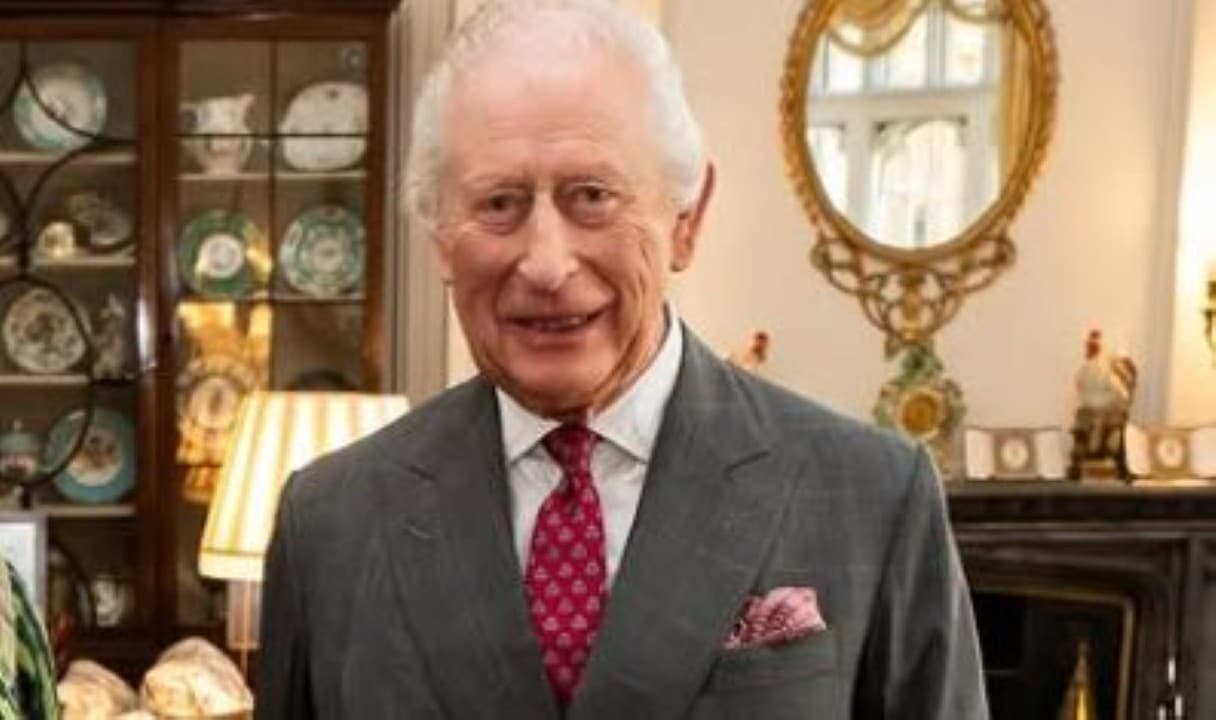 King Charles III – Photo: InstagramKate Middleton’s return to public life
After battling cancer in 2024, Kate Middleton announced her remission in January 2025, gradually resuming public engagements. Her first major appearance was the Together at Christmas event in December 2024, spotlighting mental health initiatives. The Princess of Wales continues supporting Shout, a crisis helpline, reinforcing her commitment to social causes.
Kate’s return eased concerns within the monarchy, which faced uncertainty with both the king and princess diagnosed with cancer. Her presence alongside William at official events projects resilience and unity, vital for the Crown’s stability. The couple leverages digital platforms, like social media, to connect directly with the public, departing from the monarchy’s traditionally formal communication style.
Modernizing the monarchy through initiatives
The Earthshot Prize, launched by William in 2020, stands as a cornerstone of his public work. In 2025, it awarded £5 million to innovative climate change solutions, drawing global attention. Inspired by Charles III’s environmental advocacy, the initiative reflects William’s focus on engaging younger generations in sustainability.
Funding: £1 million per category, including ecosystem restoration.Global reach: Projects in over 20 countries have received support.Partnerships: Business leaders and philanthropists back the initiative.Future plans: The award aims to expand its scope by 2030.
William also champions local projects, such as the St. Mary’s Community Hospital in the Isles of Scilly, funded by the Duchy of Cornwall. The facility improves healthcare access for residents, reducing reliance on mainland travel. These efforts portray a future king attuned to regional needs, extending beyond ceremonial roles.
Younger royals and the Crown’s future
William envisions a broader role for younger royals, particularly Lady Louise Windsor and James, Viscount Severn, children of Prince Edward. Louise, 21, is admired for her discretion and participates in events like Trooping the Colour. James, 17, may take on duties later, injecting youth into a streamlined monarchy.
This approach aims to bolster an institution criticized for its reduced roster since Harry and Meghan’s departure in 2020. William sees his cousins as allies in reshaping the monarchy’s public image, bringing relatability and fresh energy.
Family tensions and internal challenges
The rift with Harry and Meghan persists. Now based in California, they pursue independent projects, including a Netflix series, stirring controversy in the UK. William, frustrated with his brother, reportedly plans to limit Harry’s involvement in the monarchy upon becoming king, signaling a permanent shift in family dynamics.
The situation with Prince Andrew, stripped of titles in 2022 over his Jeffrey Epstein ties, adds complexity. His place in the line of succession fuels debates about transparency, pushing William to emphasize social causes to counter criticism. These issues underscore the delicate balance he must strike as he prepares to lead.
Family life as a foundation
William and Kate prioritize their children’s privacy. George, Charlotte, and Louis attend Lambrook School in Berkshire, with the family’s 2022 move to Adelaide Cottage offering a secluded haven. William remains involved in their lives, attending sports events and nurturing personal interests, like his support for Aston Villa.
George, second in line to the throne, is gradually introduced to royal duties, but the couple safeguards his childhood. This balance reflects William’s commitment to blending royal obligations with a stable family life, even under succession pressures.
Leadership and training
William’s background—a geography master’s from the University of St. Andrews and military service as a search-and-rescue pilot—shapes a pragmatic, results-driven leadership style. His bond with Charles III, rooted in shared environmental passions, informs his vision. Yet, William carves his own path, emphasizing accessibility and issues like mental health and social inequality.
Analysts note the emotional toll of recent events, with cancer diagnoses for both his father and wife. William’s resilience shines through as he assumes duties once reserved for the king, keeping the monarchy operational.
Key milestones in the royal transition
William’s preparation has been shaped by critical events reflecting the urgency of succession:
September 2022: Queen Elizabeth II’s death and Charles III’s ascension.February 2024: King’s cancer diagnosis post-prostate surgery.March 2024: Kate begins chemotherapy for cancer.June 2024: William attends D-Day anniversary events.January 2025: Kate announces remission and resumes duties.
The current landscape demands William navigate unprecedented challenges, from Charles III’s health to family tensions. His leadership, alongside Kate, seeks to bolster the monarchy’s relevance through social engagement and public connection. Meticulous planning ensures William is ready to lead when the time comes, preserving the Crown’s stability.