Share
Tweet
Share
Share
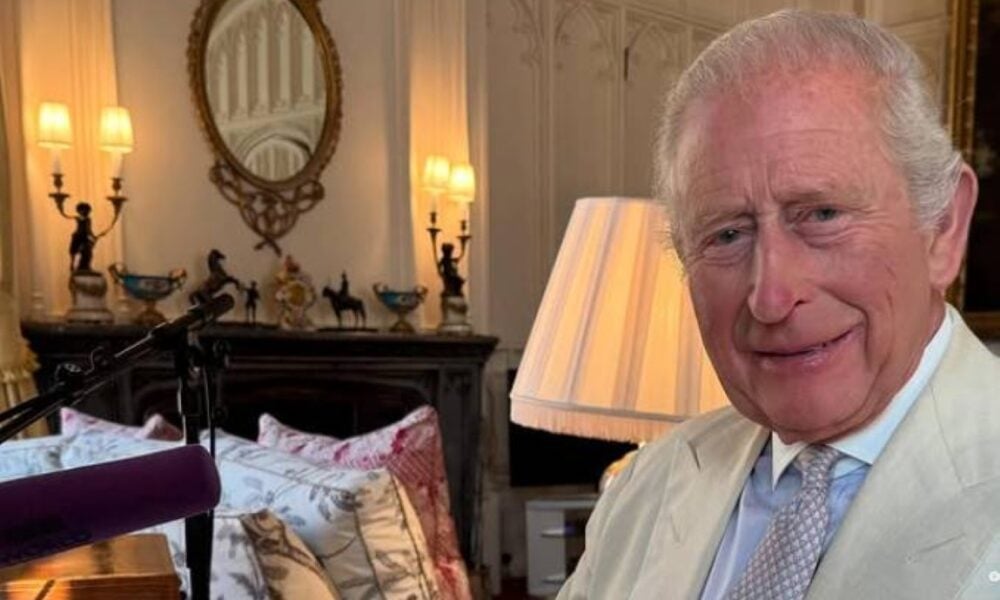
In a deeply emotional moment, King Charles III, aged 76, faces a terminal cancer diagnosis revealed in February 2024 after a medical procedure. In early March 2025, he shared the severity of his condition with his son, Prince William, in a tearful conversation, signaling preparations for succession to the British throne. Centered in London, the monarchy navigates an imminent transition, with Buckingham Palace discreetly organizing a farewell ceremony. The king’s health, declining since his ascension in September 2022 following Queen Elizabeth II’s death, has limited his public appearances, intensifying plans for William’s rise. The cancer, possibly pancreatic, no longer responds to treatment, leaving the nation anticipating a historic shift.
The news of Charles III’s deteriorating health resonates beyond palace walls, capturing the attention of the British public and global media. The monarch, known for his environmental advocacy, confronts an outcome that shortens his reign. Meanwhile, William, 42, grapples with the responsibility of leading the monarchy through grief and transformation.
Key moments of the illness: Diagnosis followed a 2024 surgery, with treatments failing to halt the tumor’s advance.Succession preparations: Buckingham Palace accelerates plans to ensure a smooth transition.Family impact: The royals, shaken by Kate Middleton’s 2024 cancer battle, face renewed emotional strain.
The current scenario reflects not only a king’s frailty but also the challenges of an institution striving for relevance in modern times.
King’s health in sharp decline
Charles III’s cancer journey began with a medical procedure in February 2024, uncovering a tumor. Initial surgery sparked hope, but subsequent treatments failed to curb the disease’s progression. Doctors have since informed the king that therapeutic options are exhausted, outlining a prognosis pointing to an approaching end. The lack of official details on the tumor’s location fuels speculation, with sources close to the palace suggesting the pancreas, explaining the condition’s severity.
Over recent months, the monarch drastically cut back his public schedule, appearing only at select events alongside his wife, Camilla Parker Bowles. This shift underscores his worsening health and the need to conserve energy for essential duties. The nation, still adjusting to Elizabeth II’s loss, follows the situation with sorrow and unease, as Buckingham Palace works behind the scenes to ensure a stable transition.
Heartfelt exchange with William
The March 2025 conversation between Charles III and Prince William unveiled the human side of a monarch often seen as reserved. The king candidly discussed the terminal nature of his illness, strengthening their bond but also highlighting the looming succession. William, who navigated his wife Kate Middleton’s cancer battle in 2024, now prepares to assume the throne under trying circumstances.
As a father to George, Charlotte, and Louis, the prince balances family responsibilities with training for a role demanding leadership and emotional resilience. The exchange with his father marked a turning point, underscoring the urgency of aligning preparations for the monarchy’s next era.
Palace plans for transition
Within Buckingham Palace, succession preparations have gained momentum. Organizing a farewell ceremony for Charles III, though undated, signals acceptance of the reign’s nearing end. These plans, handled discreetly, cover logistical and ceremonial details to ensure William’s ascension proceeds smoothly.
The prince and his wife, Kate, enjoy public approval ratings above 60% in the UK, a key asset the Palace aims to leverage during the transition. Meanwhile, the royal team refines strategies to position William as a modern leader capable of addressing the challenges of a new reign.
Family strains amid crisis
Charles III’s illness unfolds during a turbulent time for the royal family. The Princess of Wales, Kate Middleton, overcame cancer in 2024, bringing relief, but the king’s grave condition reignites concerns. Camilla, married to Charles since 2005, supports him during sparse public outings. Family dynamics, however, face added strain due to Prince Harry’s estrangement.
William informed Harry, now living in the US with Meghan Markle and their children, Archie and Lilibet, about their father’s health. Yet, the rift between the brothers, deepened since Harry’s 2020 exit from royal duties, dims prospects for meaningful reconciliation. Speculation suggests Harry may return to the UK to bid farewell, but Meghan’s presence at the farewell ceremony remains uncertain, reflecting family decisions that complicate the moment.
Charles III’s legacy under scrutiny
Ascending the throne in 2022, Charles III aimed to modernize the monarchy, emphasizing sustainability and interfaith dialogue. Initiatives like the Earthshot Prize, led by William, gained prominence as part of his vision. However, illness has curtailed these efforts, leaving a shorter reign than anticipated.
His years as king focused on bringing the monarchy closer to the public, but his fragile health now shifts attention to the legacy William will inherit. The prince, known for his practical approach and charisma, faces the task of advancing these projects amid debates about the monarchy’s role in a changing society.
Timeline of the cancer battle
Charles III’s fight against cancer is marked by pivotal events:
February 2024: The Palace announces the diagnosis after a procedure reveals the tumor.Early 2024: Surgery initiates treatment, with initial optimism.March 2025: Charles confides in William about the illness’s terminal nature, as farewell plans progress.
This timeline overlaps with other royal challenges, including Kate Middleton’s recovery. Charles’s worsening condition, however, hastens succession plans, keeping the UK on edge.
William under mounting pressure
At 42, Prince William faces one of his life’s most demanding periods. Beyond supporting his father in his final moments, he must prepare to assume the throne amid national mourning. His popularity, built through years of public work with Kate, is a strength, but the transition will test his ability to lead under pressure.
Raising George, 11, Charlotte, 9, and Louis, 6, adds complexity, as he strives to maintain family stability. His strained relationship with Harry also weighs heavily, with the Palace carefully managing tensions to avoid distractions during the transition.
Details of Charles’s condition
Charles III’s cancer struggle is defined by key aspects:
The tumor, possibly pancreatic, lacks official location confirmation.Surgery in 2024 began treatment, but the disease progressed.Public appearances have dwindled to rare events since diagnosis.His talk with William revealed rare emotional vulnerability.
These points underscore the situation’s gravity and the impact of a transition affecting both family and nation.
Final preparations on the horizon
Buckingham Palace’s efforts to organize Charles III’s farewell ceremony reflect the inevitability of his passing. Though details remain confidential, the initiative signals readiness to close one chapter and begin another. William’s transition is meticulously planned, leveraging his and Kate’s public image to bolster the monarchy’s stability.
Charles’s health, worsened after surgery and failed treatments, accelerates these plans, infusing urgency into the royal sphere. The UK, having witnessed Elizabeth II’s long era, now prepares for new leadership, reflecting on Charles III’s brief but impactful reign.