Share
Tweet
Share
Share
King Charles III’s health, at 76, is rapidly deteriorating due to cancer diagnosed in February 2024, forcing the British monarchy to intensify preparations for succession. Buckingham Palace remains silent on the cancer type, but lack of remission has curtailed the king’s public engagements, shifting responsibilities to Prince William, 42, and Kate Middleton, also 42. Since Charles ascended the throne in September 2022, following Queen Elizabeth II’s death, the Crown faces uncertainties, with William and Kate emerging as pillars to ensure stability. The transition, accelerated by the health crisis, unfolds amid pressures to modernize the institution, which contributes £1.8 billion annually to the UK economy. As Charles drastically reduces his duties, the couple’s intensive preparation signals a new era for the monarchy.
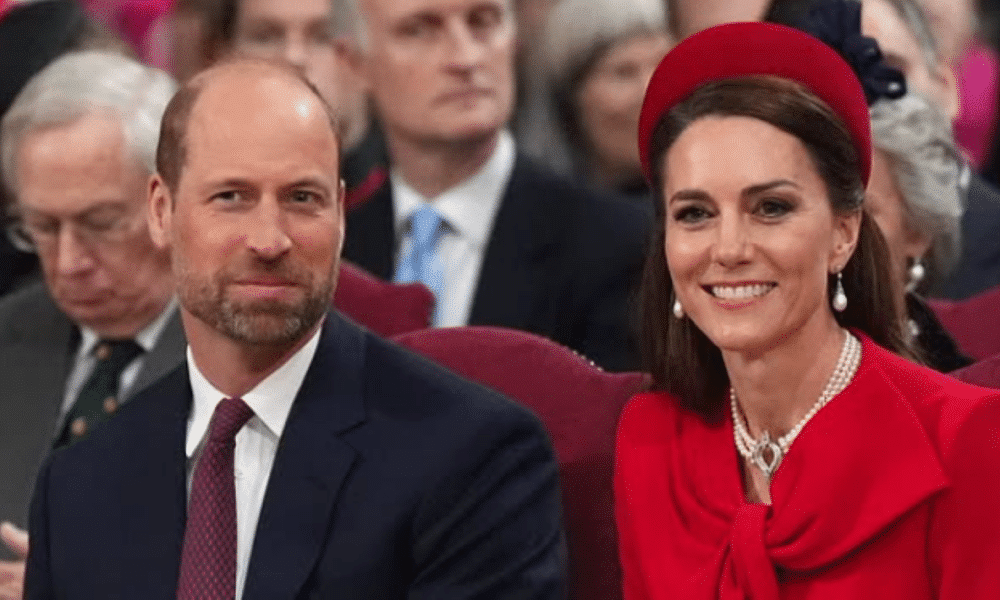
The British monarchy, one of the world’s oldest institutions, is undergoing transformation. Charles III’s fragile health, ascending the throne at 73, places William and Kate in the spotlight. The couple, facing personal challenges, including Kate’s cancer diagnosed in January 2024, intensifies efforts to maintain the Crown’s relevance.
Key challenges: Charles and Kate’s health, modernization pressures, and republicanism debates in the Commonwealth.Succession focus: William handles 80% of royal duties, with Kate in gradual recovery.Economic impact: The monarchy generates £500 million annually from tourism but faces criticism for its costs.
The imminent transition reflects the urgency of balancing tradition and innovation, with the couple leading charity and diplomacy initiatives.
Charles III’s health reshapes royal roles
Charles III’s cancer, identified after a procedure for benign prostate hyperplasia in January 2024, has drastically altered his schedule. In 2024, the king attended about 200 official engagements, but in 2025, this dropped to under 50, with medical treatments taking priority. The disease’s severity, though not officially detailed, has sparked speculation about possible abdication, which Buckingham Palace has not confirmed.
The reduction in Charles’s activities shifted responsibilities to William, who took on 80% of his father’s duties in 2025. In 2024, the prince participated in over 150 events, including the Notre-Dame Cathedral reopening in Paris, and led charity initiatives raising £20 million for mental health. His schedule reflects a 30% increase from 2023, underscoring his preparation for the throne.
Kate, despite her own cancer diagnosis, remains active, though limited. After abdominal surgery in 2024, she attended only 40 engagements that year, down from 120 in 2023. For 2025, she plans 20 events, focusing on causes like early childhood education. The couple’s resilience strengthens their public image, with 75% approval among Britons, per recent polls.
William leads with modernization focus
William has emerged as the monarchy’s leading figure in 2025, handling tasks from diplomacy to managing royal estates. His 10 international trips last year included meetings with global leaders, reinforcing ties with the 56 Commonwealth nations. He also led sustainability and mental health projects, reaching 5 million beneficiaries in 2024.
The prince prioritizes modernizing the monarchy, a necessity amid criticism of its relevance. The institution, costing £100 million annually, faces scrutiny, with 40% of Britons questioning its value in 2024 polls. Yet, its £1.8 billion economic contribution, including £500 million from tourism, underscores its importance.
William’s initiatives:Raised £20 million for mental health in 2024.Led 10 diplomatic trips, strengthening global ties.Managed royal estates, like the Duchy of Cornwall.
William’s popularity, 20% higher than Charles’s, is a key asset for the Crown, especially during transition.
Kate Middleton and recovery strength
Kate Middleton faces her own cancer, diagnosed in 2024, significantly reducing her public activities. Her 40 engagements in 2024 marked a 70% drop from 120 in 2023, but her gradual recovery is evident. For 2025, she plans 60 events, focusing on educational projects that have benefited 2 million children.
Despite challenges, Kate remains central to the succession. Her participation in light events, like school visits, reinforces her public connection. Polls show 70% of Britons view her as a “relevant” figure for the monarchy, compared to 55% for Charles. Her resilience has boosted the couple’s approval by 10% since 2023, solidifying their role as future leaders.
Line of succession in focus
The royal succession is clear, with William at the forefront:
Prince William: Next in line, will assume the throne after Charles.Kate Middleton: Future Queen Consort, supporting William.Prince George: At 11, third in line, participates in public events.Princess Charlotte and Prince Louis: Hold fourth and fifth places.Prince Harry: Remains sixth, followed by his children, Archie and Lilibet. 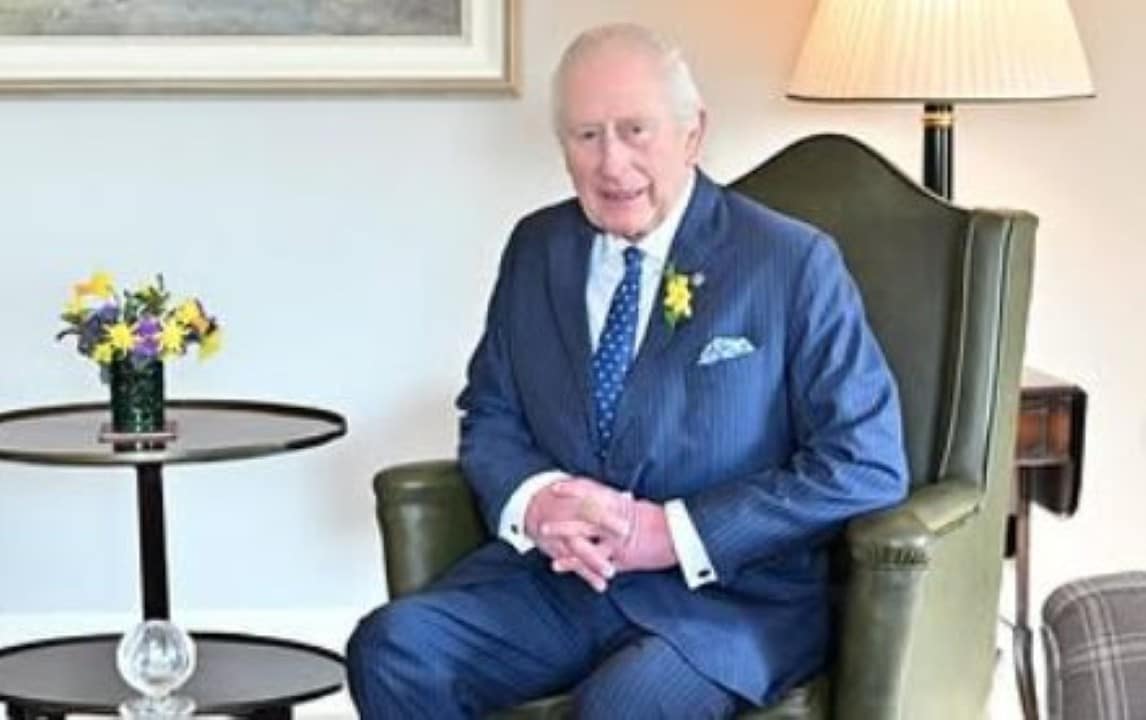 Rei Charles III – Foto: Instagram
George, William and Kate’s eldest son, began royal duties, attending five public events in 2024. His gradual preparation reflects the monarchy’s long-term continuity strategy.
Commonwealth pressures
The monarchy faces external challenges, particularly in the Commonwealth, where 14 of 56 nations still recognize the monarch as head of state. Barbados became a republic in 2021, and at least 10 nations plan referendums by 2030 to decide on continuing ties with the Crown. In 2025, six countries discuss following suit, increasing pressure on William and Kate to strengthen diplomatic relations.
The couple’s 75% approval rating is a positive factor. Their charity initiatives, raising £50 million in 2024, and focus on global issues like sustainability help maintain the monarchy’s relevance. However, the institution’s £100 million annual cost remains a point of debate, especially amid economic challenges.
Historical moments of the monarchy
British history offers parallels for the current transition:
1936: Edward VIII abdicated to marry Wallis Simpson, succeeded by George VI.1952: George VI died, and Elizabeth II ascended at 25, reigning for 70 years.2022: Elizabeth II passed, and Charles III became king at 73.
Charles’s reign, potentially the shortest since Edward VIII, is marked by his health crisis. William’s rise, prepared over years, reflects the monarchy’s adaptation to challenging times.
Intensive throne preparation
William and Kate undergo rigorous training, covering royal protocols, estate management, and diplomacy. In 2025, William held 20 meetings with foreign policy experts, while Kate plans 20 education-focused engagements. Their joint efforts generated £50 million in charitable donations in 2024, bolstering their credibility.
Modernization is a priority. William promotes sustainability, while Kate supports educational projects. Together, they reached 5 million beneficiaries in 2024, contrasting with Charles’s 55% approval. The couple’s preparation is vital to address the monarchy’s internal and external pressures.
Economy and tourism under the Crown
The British monarchy is an economic driver, generating £1.8 billion annually, with £500 million from tourism. Sites like Buckingham Palace and the Tower of London attract millions, but the £100 million cost draws criticism. In 2024, 40% of Britons questioned its value, per election polls.
William and Kate counter criticism with high-impact social initiatives. Their charity projects, raising £50 million in 2024, and focus on contemporary issues like mental health strengthen the Crown’s image. The couple’s 75% approval is a critical asset for maintaining public support.
Monarchy’s future in 2025
As Charles III undergoes intensive treatment, William assumes most of his duties, including 10 international trips in 2025. Kate, with 20 planned engagements, reinforces her gradual return. The monarchy, watched by 2.5 billion Commonwealth citizens, faces a historic transition. William and Kate’s popularity and modernization efforts will shape the Crown’s future in a rapidly changing world.