Share
Tweet
Share
Share
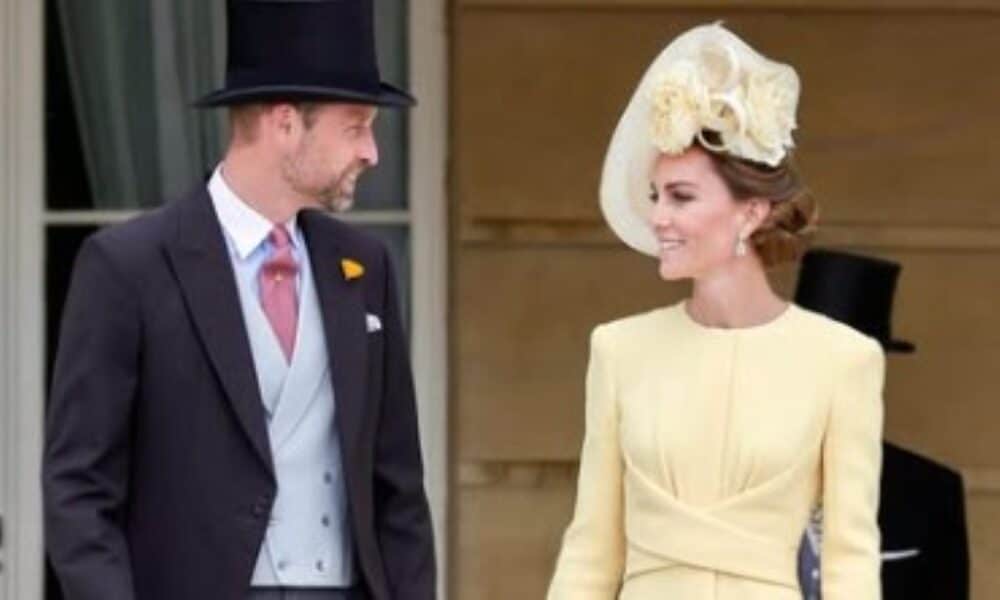
The health of King Charles III, diagnosed with cancer in February 2024, has deteriorated throughout 2025, forcing the British monarchy to intensify preparations for a succession led by Prince William and Kate Middleton. At 76, the king, who ascended the throne in September 2022 following Elizabeth II’s death, faces a clinical condition with no remission, reducing his public engagements from 200 in 2024 to fewer than 50 this year. Buckingham Palace has kept the type of cancer confidential, but the severity has shifted responsibilities to William, 42, and Kate, also 42, who faced her own cancer diagnosis in 2024. The transition, occurring amid pressures for the Crown’s modernization, positions the couple as key to ensuring the stability of the monarchy and the 56-nation Commonwealth. The focus is on securing a smooth transfer of power, with William taking on 80% of royal duties in 2025.
The British monarchy, an institution with centuries of history, faces a critical moment. Charles III’s fragile health, detected after a procedure for benign prostate hyperplasia, has reshaped the royal family’s dynamics. As speculation about a possible abdication grows, William and Kate undergo intensive training to assume the throne, covering royal protocols, diplomacy, and asset management.
Key transition challenges: Charles III and Kate’s health, modernization pressures, and debates over the monarchy’s relevance.William’s actions: 30% increase in public engagements in 2024, focusing on diplomacy and charity.Kate’s role: gradual return to royal duties, with 20 engagements planned for 2025.
The urgency of the succession reflects not only the king’s health but also the need to adapt the monarchy to a changing world, with 14 Commonwealth nations still recognizing the monarch as head of state.
King’s health and impact on the Crown
Charles III’s condition, worsened throughout 2025, has drastically limited his public activities. In 2024, he attended 200 events, but this year the number dropped to fewer than 50, prioritizing medical treatments. The diagnosis, initially identified after a prostate procedure, remains undisclosed by Buckingham Palace, but the lack of remission has heightened concerns. The reduction in international engagements, from 25 in 2023 to fewer than 10 in 2024, underscores the severity.
William has taken the lead, representing his father in 80% of royal duties in 2025. His schedule included high-profile events like the reopening of Notre-Dame Cathedral in Paris, plus £20 million raised for mental health initiatives. Kate, despite her cancer treatment following abdominal surgery in early 2024, plans 20 public engagements in 2025, down from 120 in 2023.
Charles III’s event reduction: from 200 in 2024 to fewer than 50 in 2025.William’s engagements: over 150 events in 2024, including 10 international trips.Kate’s return: 20 events planned for 2025, compared to 40 in 2024.Public approval: William and Kate hold 75% support, versus 50% for Charles III. 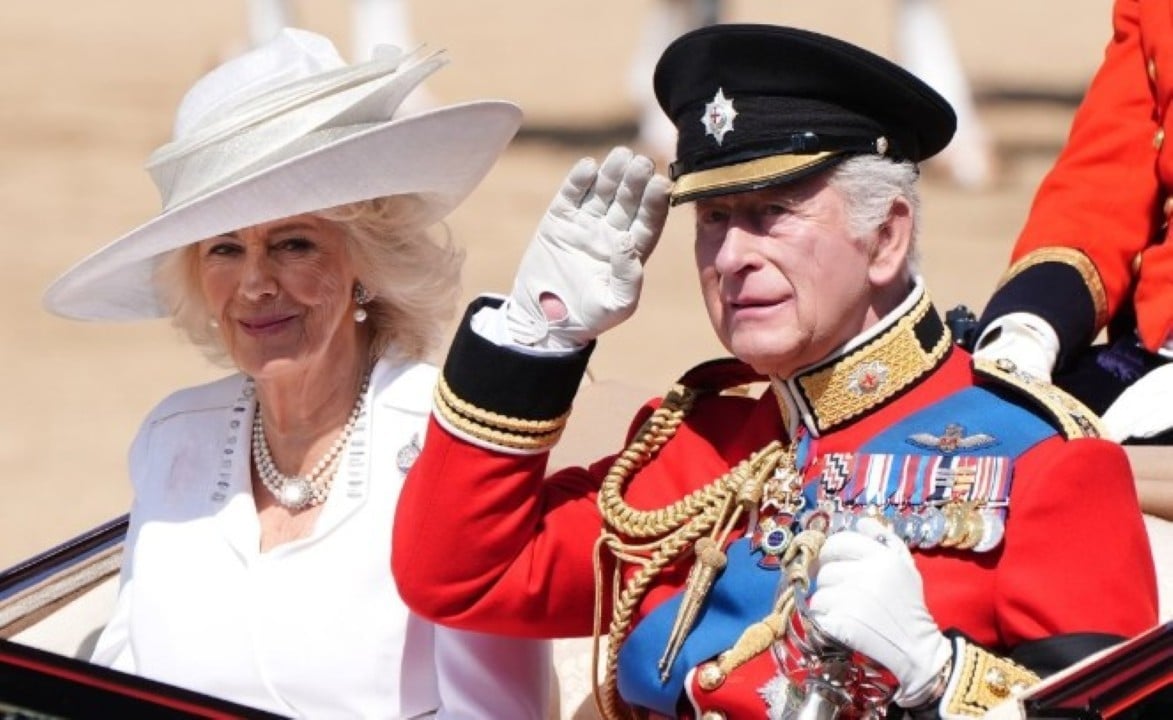 Camilla e Rei Charles – Foto: Instagram
The king’s fragile health reinforces the need for a structured transition, with the couple preparing to lead amid personal and institutional challenges.
William and Kate’s preparation for the throne
William and Kate are at the center of intensive training to assume the Crown. William attended 20 meetings with foreign policy experts in 2025 and led 10 international trips. Kate, in recovery, focuses on early childhood education projects, impacting 2 million children in 2024. Together, they raised £50 million in donations last year, boosting their public approval to 75%, compared to Charles III’s 50%, per recent polls.
Modernizing the monarchy is a priority. The institution contributes £1.8 billion annually to the UK economy, including £500 million from tourism. William emphasizes mental health and sustainability, reaching 5 million beneficiaries in 2024, while Kate’s educational initiatives support 2 million children.
William’s training: royal protocols, diplomacy, and real asset management.Kate’s projects: support for 2 million children in 2024.Economic impact: monarchy generates £1.8 billion yearly.Public approval: 75% for William and Kate, 20% above Charles III.
The couple’s resilience, even with Kate battling cancer, strengthens their position as future leaders, with 70% of Britons deeming them relevant to the monarchy.
Line of succession in focus
The British succession is well-defined, with William leading to assume the throne. Kate, as future Queen Consort, plays a complementary role, while their children, George, Charlotte, and Louis, hold the next positions. George, 11, has begun public duties, with five appearances in 2024, signaling early preparation.
Prince William: next in line, handling 80% of Charles III’s duties.Kate Middleton: future Queen Consort, with 20 engagements planned for 2025.Prince George: first in line after William, with five public events in 2024.Charlotte and Louis: second and third in succession.Prince Harry: fifth in line, followed by his children, Archie and Lilibet.
The clear succession structure ensures continuity, but Charles III’s health accelerates preparations, with William and Kate taking increasingly central roles.
Pressures on the modern monarchy
The monarchy faces growing questions about its relevance. Of the 56 Commonwealth nations, 14 still recognize the monarch as head of state, but republican movements are gaining traction. Barbados severed ties with the Crown in 2021, and 10 nations plan referendums by 2030. The monarchy’s £100 million annual cost draws scrutiny, with 40% of Britons questioning its value in 2024.
William and Kate counter this with modern initiatives. Their charity work impacted 5 million people in 2024, while Charles III’s approval fell from 65% to 50% since 2023. The couple’s 20% higher approval is a crucial asset for maintaining the institution’s relevance.
Republican movements: 10 Commonwealth nations debate separation by 2030.Monarchy’s cost: £100 million annually, versus £1.8 billion economic return.William and Kate’s approval: 75%, compared to 50% for Charles III.Charity impact: 5 million beneficiaries in 2024.
The couple’s ability to bridge tradition and modernity will be decisive for the Crown’s future.
Historical moments in British succession
The British monarchy has faced significant transitions, providing context for the current moment. In 1936, Edward VIII abdicated to marry Wallis Simpson, passing the throne to George VI. In 1952, George VI’s death elevated Elizabeth II at 25, with a 70-year reign. Charles III’s ascension in 2022, at 73, marked a potentially short reign, now threatened by his health.
1936: Edward VIII’s abdication, succeeded by George VI.1952: Elizabeth II assumes the throne at 25 after George VI’s death.2022: Charles III becomes king at 73.2025: Charles III’s health accelerates succession plans for William.
These events highlight the monarchy’s resilience but also the complexity of transitions during crises.