
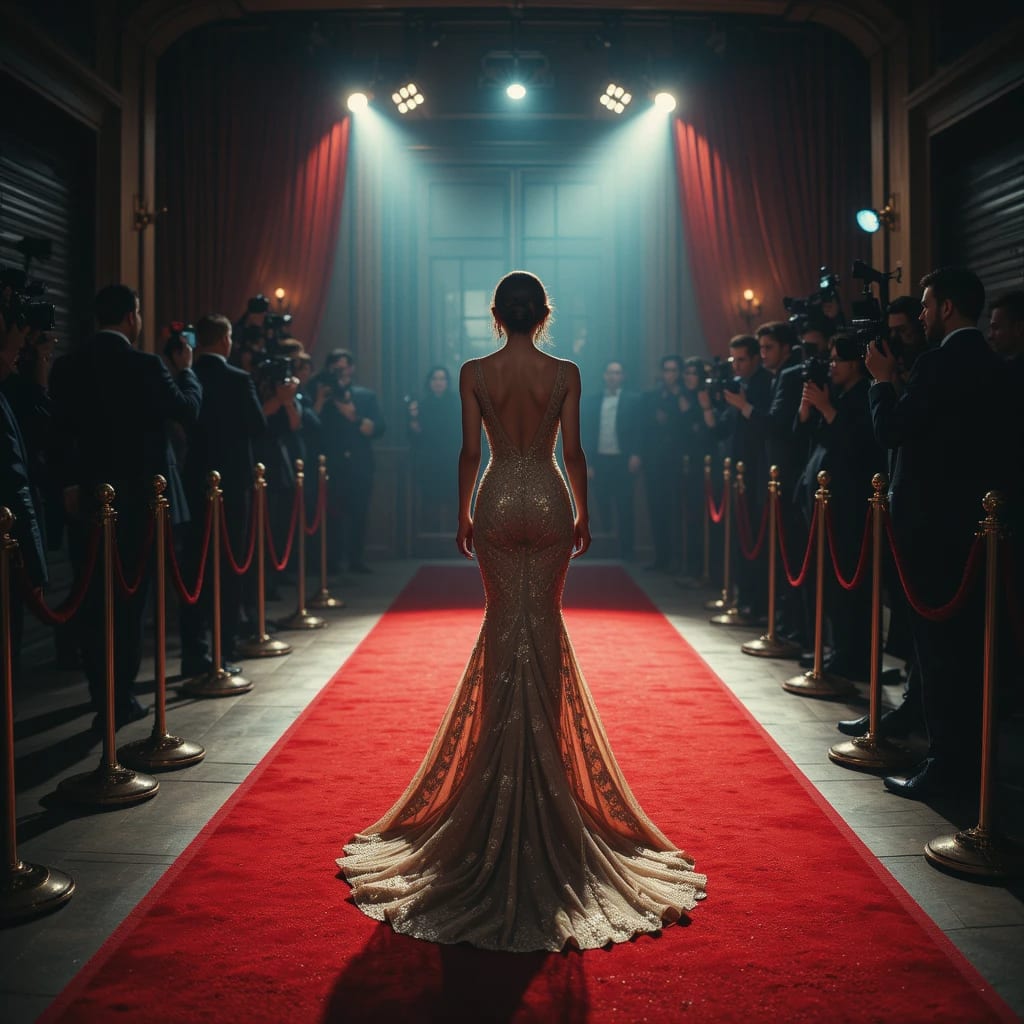
Meghan Markle once stood at the perfect crossroads of royalty and Hollywood—a unique position no actress could script. But now, as her name draws more controversy than clout, the very industry she once dreamed of conquering has quietly shut its doors. Her fall from grace isn’t dramatic—it’s strategic, silent, and perhaps irreversible.
Disney was supposed to be the lifeline. Not just a paycheck, but a return to legitimacy. Markle had worked with them before—her voice narrated Elephant, a documentary that didn’t break records but kept her in the game. She saw that connection as a permanent open door. But when she pitched for a National Geographic narration role under Disney, the answer came swift and cold: no. Not only was she pulled from the project mid-production, but she was also reportedly banned from all Disney studios. The ban wasn’t symbolic—it was formal, policy-level final. A door slammed and locked.
Sources say Meghan broke down during the call, crying in front of CEO Bob Iger and other top executives, trying to plead her case. But they had already moved on—to Tom Hanks, no less. Replacing Meghan with Hollywood’s most beloved voice wasn’t a neutral shift. It was a statement.
That Disney deal was just the tip of the iceberg. Paramount, Warner Bros., even Blumhouse had already passed on her. Talks for a role in Scream 7 never materialized. Meghan’s name, once a buzz magnet, had become a risk.
But she didn’t stop trying. Her next pitch was to NBC—a quirky game show with a life-size chessboard and Meghan as host. She treated it like a comeback campaign: mood boards, wardrobe arcs, even scripted intros. But network execs weren’t convinced. Her name no longer meant ratings. The proposal stalled, emails went quiet, and soon, other host names were being discussed.
Behind closed doors, studio insiders were blunt. Meghan brought attention, yes—but not the kind that sells ad space or subscriptions. She had become a PR gamble. A walking headline. And not the good kind.
Even Netflix, once her biggest champion, started pulling back. Their documentary series had run its course, and test audiences weren’t asking for more. Meghan wanted more control, more screen time, more say. But Netflix, facing tighter budgets and dwindling patience, wanted less. Behind the scenes, producers whispered she was difficult—demanding rewrites, interfering in edits, acting more like a showrunner than talent. What once looked like star power now felt like ego.
The rejection wasn’t always loud. Often, it was just silence. Ghosted emails. Cancelled calls. Meetings that were “postponed” indefinitely. Meghan’s team tried smaller studios, indie producers, podcast platforms—but the legal departments always stepped in. The red tape wasn’t worth the risk.
She tried pitching a memoir. But publishers had already bet big on Harry’s Spare. Another tell-all seemed redundant, and potentially reckless. Burn more bridges, and the industry closes ranks for good.
The saddest part? Meghan hadn’t realized how far she’d fallen. She thought the “Markle” name still held weight. That her royal past gave her an edge. But charm only works when people are still willing to listen. And Hollywood had tuned her out.
Even her agents backed away. Not with drama—just quiet exits. Phone calls slowed. Leads dried up. The team that once booked her meetings was now cautious to even mention her name in pitch rooms. She became a brand no one wanted to sell.
The optics changed, too. Fewer red carpets. Shorter press coverage. Even tabloids, once obsessed, moved on. She was no longer the headline—just a footnote. Paparazzi who once fought for her shot now walked past.
Public appearances continued, of course. Charity galas. Wine launches. A few “inspirational” panels. But the glow was gone. Her launches received more backlash than buzz. Comment sections turned brutal. Even her carefully curated Instagram aesthetics were met with cynicism. The audience had shifted, and so had the tone.
Hollywood, for all its glamor, is brutal. It thrives on perception. And Meghan’s perception was toxic. Not because of one scandal, but because of the pattern—high demands, low delivery, big promises, few returns. In an industry driven by ROI, she had become the cautionary tale.
Still, she brainstormed new paths: launching her own studio, crowdfunding indie documentaries, podcast revivals. But budgets were tight, support was minimal, and interest was lukewarm. For a woman who once headlined global headlines, the silence was deafening.
Even those closest to her began to pivot. PR strategists rebranded her tone—less fight, more grace. But the shift came too late. The narrative had hardened.
Meghan Markle wasn’t the misunderstood innovator anymore. She was the symbol of what happens when buzz outpaces substance.
She believed she’d always have a place in Hollywood. But buzz doesn’t wait. It moves on. And as fresher faces, with less baggage, stepped into the spotlight, Meghan was left chasing a stage that no longer wanted her on it.
In the end, it wasn’t one decision, one scandal, or one project that ended her run. It was the quiet closing of doors she never thought would shut. Not with a bang—but with a lingering question: