
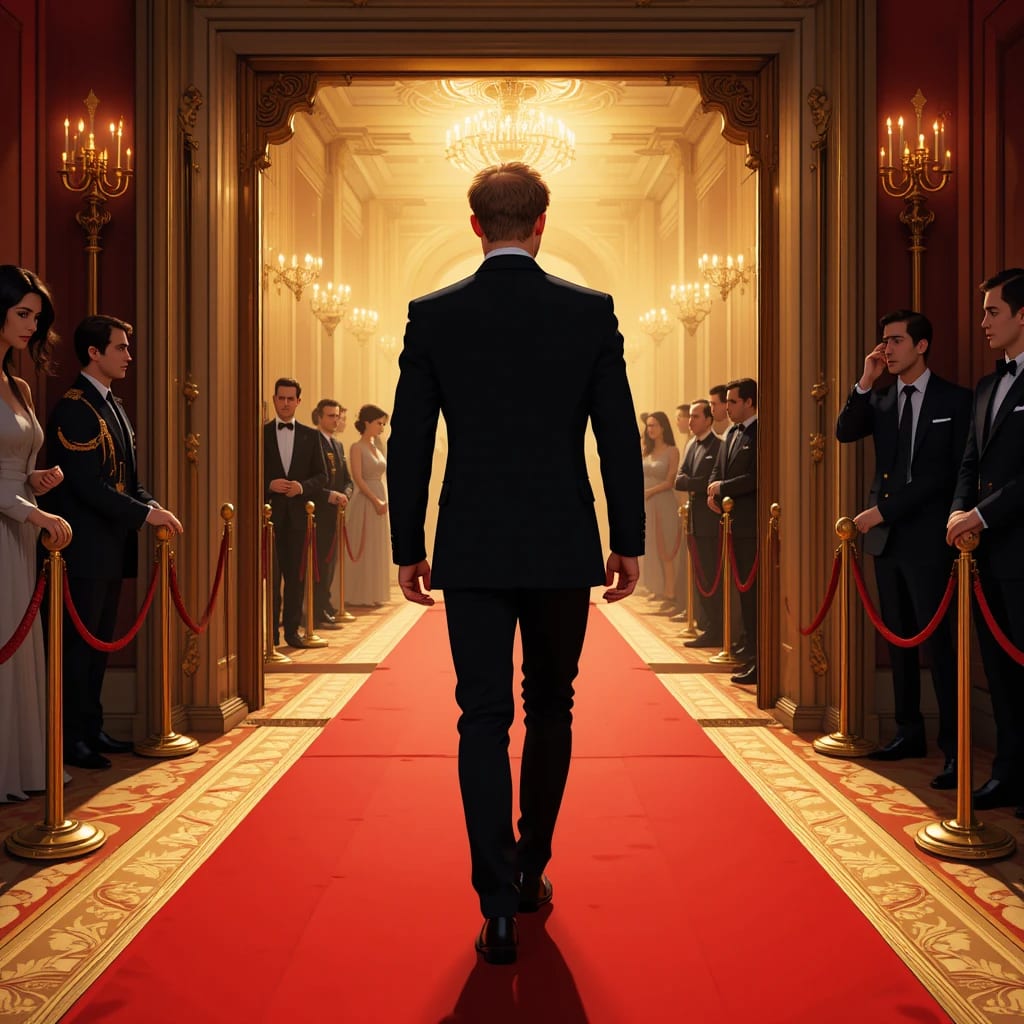
Prince Harry once imagined a post-royal life full of opportunity, creative freedom, and global respect. But the scene that unfolded at the Dorian TV Awards told a very different story—one of miscalculation, ego, and a brutal lesson in how Hollywood really works.
It began with what seemed like a simple request. Harry’s team reportedly reached out to the event organizers ahead of time with one priority—not a seating chart query, not a dietary restriction, but a title. They asked that he be introduced as “His Royal Highness, Prince Harry.” The problem? He officially gave up the right to use the HRH title when he and Meghan stepped down from royal duties in 2020. It wasn’t a soft suggestion. It was a formal agreement.
The Dorian Awards, while not the Oscars, still carry industry weight. It’s where producers, rising stars, and streaming titans celebrate bold, unconventional talent. This wasn’t a royal affair—it was a media-forward, fame-savvy room where titles mean little if they aren’t backed by relevance. The organizers didn’t bend. They agreed to introduce him as “Prince Harry, Duke of Sussex.” A compromise by most standards. But apparently, not enough.
When the big night arrived, Harry appeared solo. Meghan was noticeably absent, her team citing a “schedule conflict.” But for a couple known to show up hand-in-hand at every red carpet event, her absence spoke volumes.
Inside the glittering venue, all eyes were on the Duke. As the host stepped up to introduce him, it became clear the organizers stuck to their decision. “Please welcome Prince Harry, Duke of Sussex.” No “His Royal Highness.” No royal fanfare. And just like that, the atmosphere shifted.
Observers described Harry’s expression as instantly rigid. What should have been a quick walk to the stage became a defining moment. He didn’t move. He didn’t smile. He didn’t wave. Instead, he abruptly exited the room—leaving guests stunned and confused.
Phones came out. Cameras rolled. Within minutes, the footage was everywhere. TikTok, Twitter, Instagram—filled with memes, parodies, and hot takes. One viral post compared his walkout to a toddler’s tantrum: a plastic crown photoshopped on Harry’s head with the caption, “Didn’t get my HRH.” The internet wasn’t just laughing—they were dissecting.
But this wasn’t just a memeable moment. It was a major PR disaster. What Harry seemed to think was a rightful claim to identity came across as entitlement. And in a town like Hollywood, where image is everything and egos are already in abundance, his demand wasn’t received as royal—it was seen as irrelevant.
Hollywood doesn’t cater to royal tradition. It caters to narrative. And Harry’s narrative—of breaking away from a rigid system to find freedom—clashed directly with his insistence on using a title he gave up. As one Hollywood insider put it bluntly: “You don’t leave the crown and then act offended when people stop bowing.”
The backlash was swift. Studio executives and producers who once took meetings with the Sussexes began backing off. One streaming platform quietly paused a project discussion. Another insider noted that it’s “hard to build a brand on breaking free from the monarchy while demanding the benefits of it.”
Even Meghan, who had once stood firmly beside Harry in their public endeavors, seemed to create distance. Her absence, once excused as scheduling, was now interpreted as strategic. According to sources, Meghan had reportedly warned Harry not to push the HRH issue, viewing the event as a networking opportunity—not a battlefield. She stayed away, and in doing so, protected her image from being tied to what turned into a media fiasco.
At the Dorian afterparty, the commentary turned sharp. One well-known actor allegedly joked, “Looks like the Dorian Awards did what Buckingham Palace couldn’t—they told him no.” It got laughs, but the laughter masked a growing concern: that Harry might be more invested in image than reinvention.
And that’s the real issue. For years, Harry and Meghan positioned themselves as forward-thinking change-makers. They told their story on Oprah. They gave intimate access to their lives through Netflix. They spoke of freedom, peace, authenticity. But Hollywood thrives on consistency. And when your words and actions don’t align, the industry starts to notice.
For Harry, this wasn’t just an embarrassing night—it was a turning point. A reminder that outside palace walls, legacy holds less weight than delivery. That relevance is earned, not inherited. And that clout in Hollywood doesn’t come from being royal—it comes from being compelling, consistent, and professional.
With the world watching, the Sussex brand is at a crossroads. Failed ventures like the Spotify deal, lukewarm reception to their docuseries, and now this meltdown have created cracks in the foundation. The public is no longer buying into the polished image. They’re asking harder questions. And worst of all, they’re laughing—not out of malice, but disbelief.
The Dorian debacle isn’t just about a title. It’s about expectation versus reality. Harry expected reverence. He got rules. He expected royal privilege. He got protocol. And in trying to cling to a status that no longer applies, he exposed the very insecurity he once said he was escaping.
As the headlines fade and the memes slow down, what remains is the lesson: in America, royalty doesn’t guarantee respect—resilience does. And if Harry wants to thrive in this world, he’ll have to stop chasing crowns and start earning credibility.