
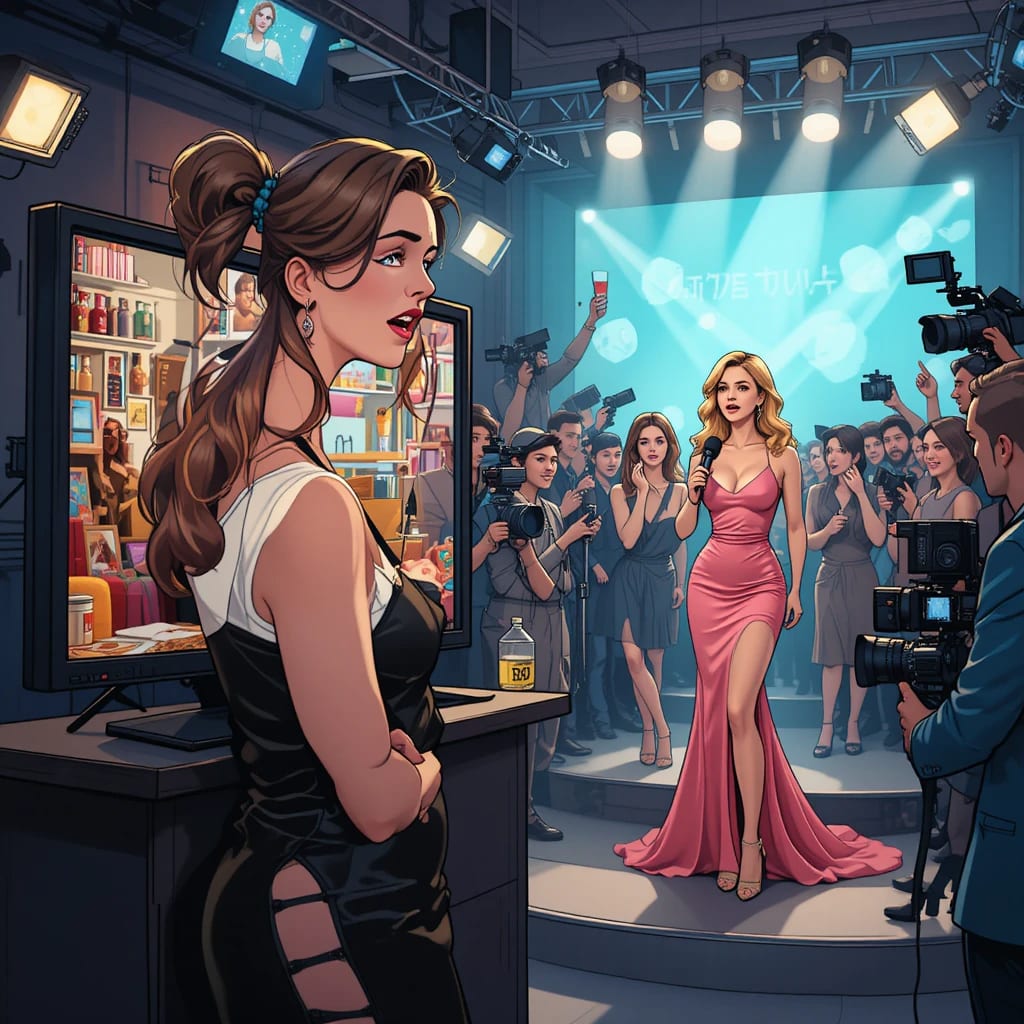
There was a time when Meghan Markle’s every move dominated headlines. Her exit from royal life was billed as the start of a new, independent chapter—a modern fairytale where she could control her own narrative. Fast-forward to today, and the story feels very different.
According to multiple entertainment insiders, Meghan is convinced that the lukewarm reception to her lifestyle series’ second season wasn’t because the public has lost interest, but because she was “overshadowed” by none other than Taylor Swift. The pop icon’s latest project announcement smashed internet records, drawing in over 160 million views in just 24 hours. Meghan’s trailer, by contrast, landed with a polite thud—polished, well-produced, but met with little buzz outside of her own PR machine.
Instead of reading this as a simple case of competing attention spans, Meghan reportedly interpreted it as deliberate sabotage. The idea that Swift—who is selling out stadiums and rewriting music history—would schedule her release to target a cheeseboard segment seems… ambitious. But the perception of being undercut has apparently stuck, feeding into a broader pattern of seeing rivals everywhere.
The Chrissy Teigen Alliance
If the Taylor Swift blame game raised eyebrows, Meghan’s latest high-profile friendship has set off full-blown debate. She’s recently been spotted and photographed with Chrissy Teigen—model, TV personality, and a figure whose own public image took a hit after past online bullying scandals resurfaced.
The two women have reportedly been spending increasing amounts of time together—lunches, LA meet-ups, and late-night calls. Their connection seems built on shared celebrity motherhood and a mutual comfort with controversy. To critics, though, the partnership is jarring.
For years, Meghan positioned herself as a champion of kindness, mental health advocacy, and online safety. She and Prince Harry even fronted campaigns against cyberbullying. Aligning with someone whose old tweets told a then-teenage Courtney Stodden to “take a dirt nap” creates a glaring contradiction. In PR terms, it’s like launching an anti-junk-food campaign with the fast-food clown as your co-host.
A Shrinking Netflix Arrangement
The optics get worse when you add in the news from behind the scenes. Meghan and Harry’s original $100 million multi-year Netflix deal has reportedly been scaled back to a much smaller “first-look” agreement. That means Netflix isn’t locked into funding multiple large projects anymore—they’ll review ideas one at a time, and only commit if they see real potential.
In the streaming industry, this is usually a sign that the numbers aren’t matching the hype. Engagement on their projects has been inconsistent, and “With Love, Meghan” hasn’t sparked the kind of social media or cultural conversation that warrants blockbuster investment.
The Royal Timing Question
Another eyebrow-raising move: the release of her Netflix holiday special was timed almost exactly alongside Princess Catherine’s annual Christmas charity concert. Royal watchers have pointed out the overlap before, interpreting it as a calculated effort to compete for seasonal attention. If that was the intention, the comparison didn’t flatter Meghan. Catherine’s event was steeped in tradition, public service, and goodwill. Meghan’s special, while glossy, focused on light cooking and lifestyle segments that felt disconnected from any larger cause.
This hints at a deeper issue—an ongoing need to “win” the news cycle, even when the playing field has changed. Meghan no longer carries royal duties or influence, but much of her branding still leans heavily on her Duchess title and royal past. Audiences may remember her as a former royal, but they seem less eager to follow her into her influencer-style ventures.
Burned Bridges and Shallow Guest Lists
Adding to the perception of inauthenticity is the absence of genuine, long-term personal connections in her projects. Past friends and colleagues, like Rachel Ray, are conspicuously missing. Instead, the guest roster often appears drawn from Netflix’s existing talent pool—people who can be booked via corporate relationships rather than personal ones. This gives the content a transactional, curated-for-the-camera feel rather than the warmth of organic collaboration.
The Public Shift
Perhaps the most significant challenge is the erosion of her once-loyal supporter base. While some still defend her against royal-family-related criticism, fewer are willing to overlook the contradictions in her messaging. The combination of blaming industry heavyweights like Taylor Swift, partnering with a personality as divisive as Chrissy Teigen, and appearing to stage PR one-upmanship against Princess Catherine isn’t winning hearts.
And in a media landscape where authenticity is prized more than ever, a brand that feels reactive rather than proactive struggles to hold attention. Taylor Swift didn’t “steal” Meghan’s moment—she simply had one of her own, built on years of cultivating fan trust and delivering what her audience wants. That’s the fundamental difference.
Meghan’s recent moves feel less like building and more like scrambling. Without the royal stage, she’s competing in a crowded influencer and streaming market, where numbers and relatability matter more than titles. Surrounding herself with controversy doesn’t seem to be creating the cultural relevance she’s aiming for.
The truth is, audiences have long memories. They remember the Oprah interview, the royal documentaries, the public promises of privacy. They also remember the moments that contradicted those messages. If Meghan wants to recapture the public’s attention in a lasting way, she’ll need to shift from rivalries and reactive headlines toward substance and sincerity.
Until then, the gap between how she sees her brand and how the public perceives it will likely keep widening—and no amount of PR polish can fully hide it.