
For years, royal watchers have seen the tension between Prince William and Prince Harry play out both publicly and privately. From differences in duty to contrasting lifestyles, the brothers often seem worlds apart. But a new chapter in this ongoing saga is quietly reshaping how the public views them.
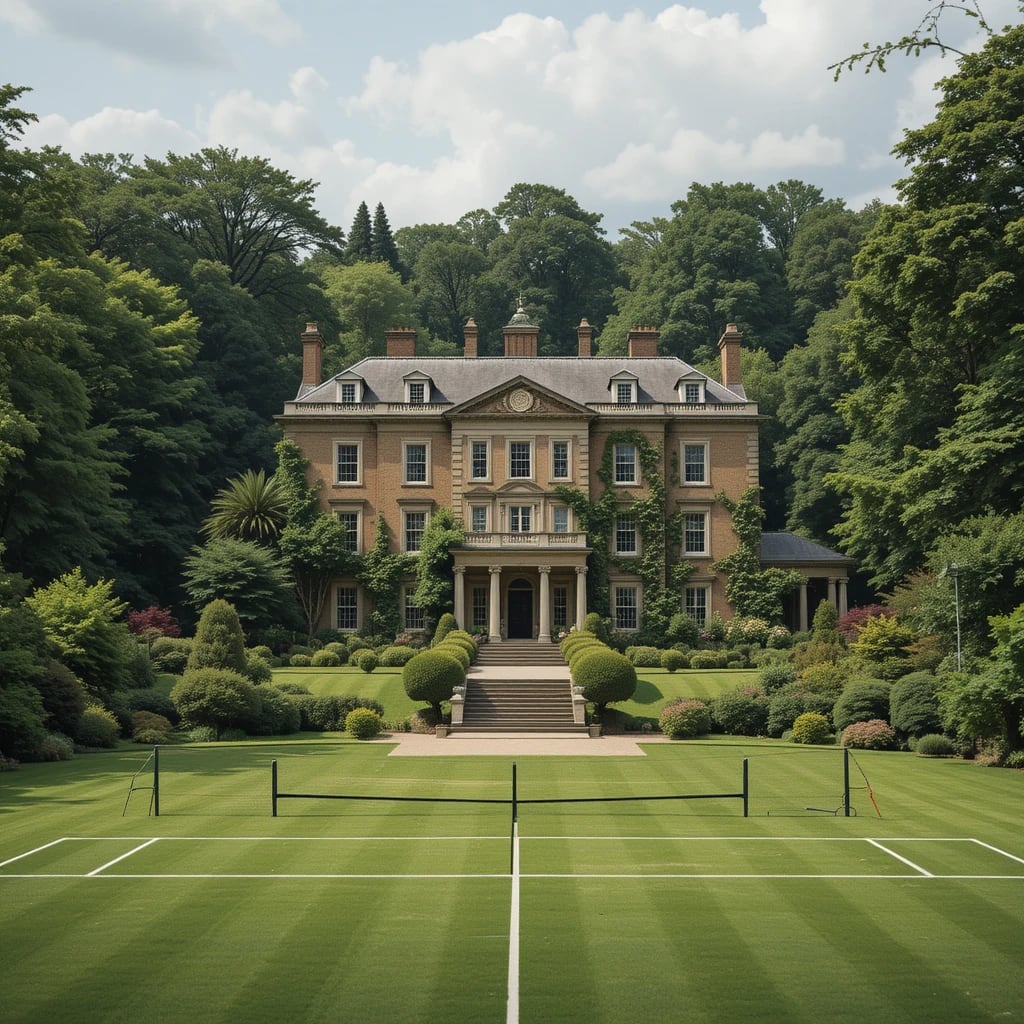
Prince William and Princess Catherine are preparing to move into Forest Lodge, a grand Georgian estate nestled within Windsor Great Park. Unlike previous royal property renovations, however, William has decided to take an unusual step: he is personally funding the multimillion-pound restoration, ensuring no taxpayer money is involved.
This choice may seem like a practical financial decision, but it carries symbolic weight. In an era where the monarchy faces scrutiny about its relevance and its expenses, William’s decision sends a message: being royal does not mean entitlement—it can mean responsibility.
A Different Approach to Royal Housing
Forest Lodge is no simple cottage. Built in the 1770s and later owned by the Crown Estate, the property features eight bedrooms, a ballroom, marble fireplaces, and acres of historic grounds. Despite its grandeur, the estate needs serious work, from repairing its aging roof and windows to replacing an outdated heating system.
Traditionally, such projects would be funded by the Crown Estate or the Sovereign Grant, effectively drawing from public resources. But William is deliberately taking another route. Reports suggest he will spend millions of his own private funds to restore the property, while any future structural upkeep may be supported by the Duchy of Cornwall, his private estate.
This approach stands in sharp contrast to Prince Harry’s past.
The Frogmore Comparison
Back in 2019, Harry and Meghan Markle moved into Frogmore Cottage, a charming Grade II listed home near Windsor. Renovations for the couple’s new residence cost the public around £2.4 million ($3 million). Upgrades included everything from new finishes to extensive refits.
But soon after, the couple left the UK and relocated to California. The repayment of those renovation costs came only after the decision to step back from royal duties, leading critics to accuse the Sussexes of poor judgment and waste.
The optics of that moment still linger. While Harry and Meghan faced accusations of entitlement, William’s decision with Forest Lodge flips the narrative. By declining public funds, he not only avoids criticism but positions himself as a leader who understands modern accountability.
Optics and Leadership
For William, this is more than just fixing up a house. It’s a quiet exercise in public relations—a demonstration that the heir to the throne can adapt to new expectations.
The Wales family is expected to live in Forest Lodge without live-in staff, paying market rent, and raising their children—George, Charlotte, and Louis—in as normal an environment as possible. While the estate itself may be luxurious, the lifestyle choices they’re making inside it are modest compared to royal traditions.
Contrast that with the Sussexes’ life in Montecito. Their California mansion reportedly costs millions annually in security and upkeep, with sprawling grounds and high privacy walls. For many, this symbolizes excess. Meanwhile, William’s project reflects grounded responsibility and a willingness to set an example for his future reign.
Family Values at the Forefront
Princess Catherine’s role in this move also speaks volumes. Known for her preference for understated elegance, she is reportedly overseeing the design choices for Forest Lodge. Rather than lavish upgrades, the family is focused on tasteful, practical renovations that emphasize comfort and functionality.
This approach mirrors how the couple lived at Adelaide Cottage since 2022. Despite its limited space—only four bedrooms for a family of five—they never publicly complained. No interviews or memoir passages aired grievances about their accommodations. Instead, they carried on with their duties.
This kind of dignity resonates deeply with the public. It suggests a family that prioritizes service and stability over personal luxury.
A Strategic Message
William’s decision to privately fund the Forest Lodge renovations is being described by royal insiders as a masterstroke. It sets him apart from his brother while reinforcing his reputation as a steady, forward-thinking future king.
Every step he takes at Forest Lodge sends a broader message: the monarchy can modernize without abandoning its heritage. Royalty does not need to lean on privilege—it can demonstrate accountability.
At the same time, the contrast with Harry is becoming harder to ignore. While Harry continues to face legal battles, business setbacks, and media scrutiny, William’s choices reflect maturity and stability. Each quiet act—whether paying his own bills or taking on more royal duties—solidifies his position as the crown’s natural heir.
The Bigger Picture
As the Wales family settles into their new home, the move is more than a change of address. It’s a glimpse into the monarchy’s future. A future where tradition is balanced with responsibility, and where the heir to the throne is willing to adapt to public expectations.
Forest Lodge, with its centuries of history, is becoming a symbol. Not of royal extravagance, but of thoughtful leadership. For William and Catherine, it is not just a house—it’s a statement of values.
And while critics debate the Sussexes’ decisions across the Atlantic, William’s steady actions may quietly be winning the long game. Sometimes leadership doesn’t shout. Sometimes it simply does the right thing—and lets the contrast speak for itself.