
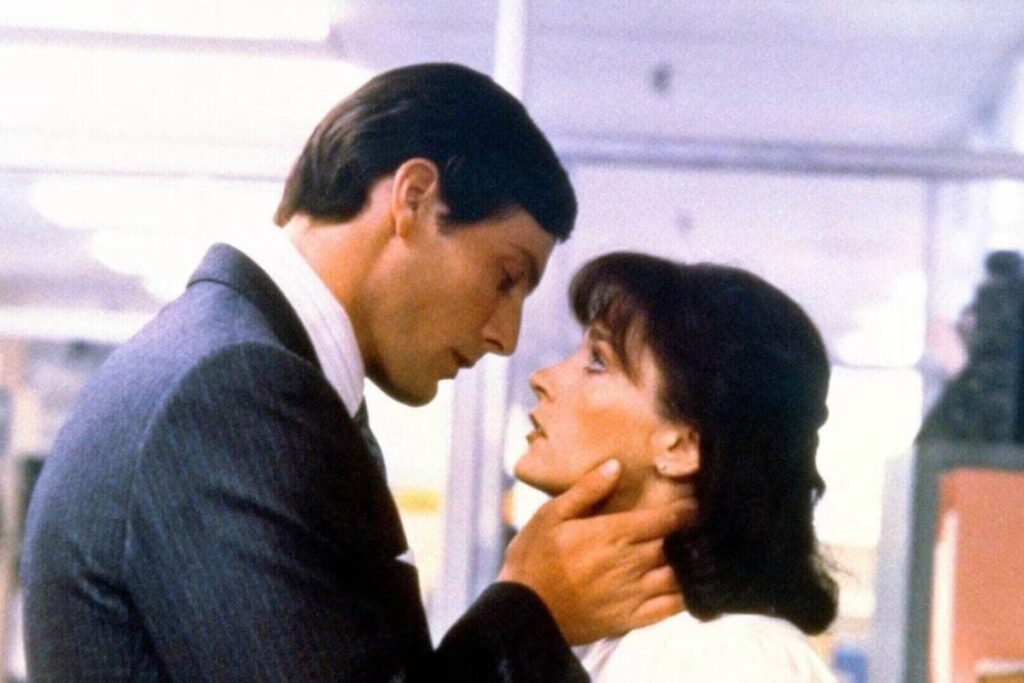
He said no to three capes in the name of art. Then another star earned a fortune in a few days, and suddenly virtue felt expensive.
Before capes became a career strategy, one of Hollywood’s bluest pairs of eyes looked elsewhere. Paul Newman passed on three offers tied to Richard Donner’s Superman, including the hero, his archvillain, and Krypton’s most famous father, choices he would later eye differently after Marlon Brando pocketed over 20 million dollars for a few days on set. The stance spoke to Newman’s stubborn artistic compass, an attitude that still echoes when actors like Leonardo DiCaprio sidestep franchise gravity.
When a Hollywood legend says no
Paul Newman, an actor whose name is synonymous with timeless Hollywood classics, had the chance to don a cape or at least step into one of the most iconic roles in pop culture history. In the late 1970s, “Superman” director Richard Donner and producer Ilya Salkind reached out, offering not one but three pivotal roles in their ambitious superhero film. Yet, despite the allure of the project, Newman declined. Today, this decision reveals a fascinating balance between artistic integrity and missed opportunities.
Superman, Lex Luthor, and Jor-El: three offers turned down
Let’s break it down. Newman’s first offer was to play none other than Superman himself, a role that would come to define Christopher Reeve’s career. But Newman reportedly didn’t see himself as the caped hero. Next, the team tried tempting him with the role of Lex Luthor, the villain who exudes intelligence and menace, a far cry from the charming antiheroes Newman often portrayed. Finally, the producers offered him the part of Superman’s father, Jor-El. Even here, the answer was a polite yet firm no.
Newman’s refusals puzzled industry insiders, especially as “Superman” was shaping up to be one of Warner Bros. most ambitious projects of the era. The film promised groundbreaking special effects, a star-studded supporting cast, and a bold new take on the legendary tale. But for Newman, none of this seemed to outweigh his personal principles and preferences.
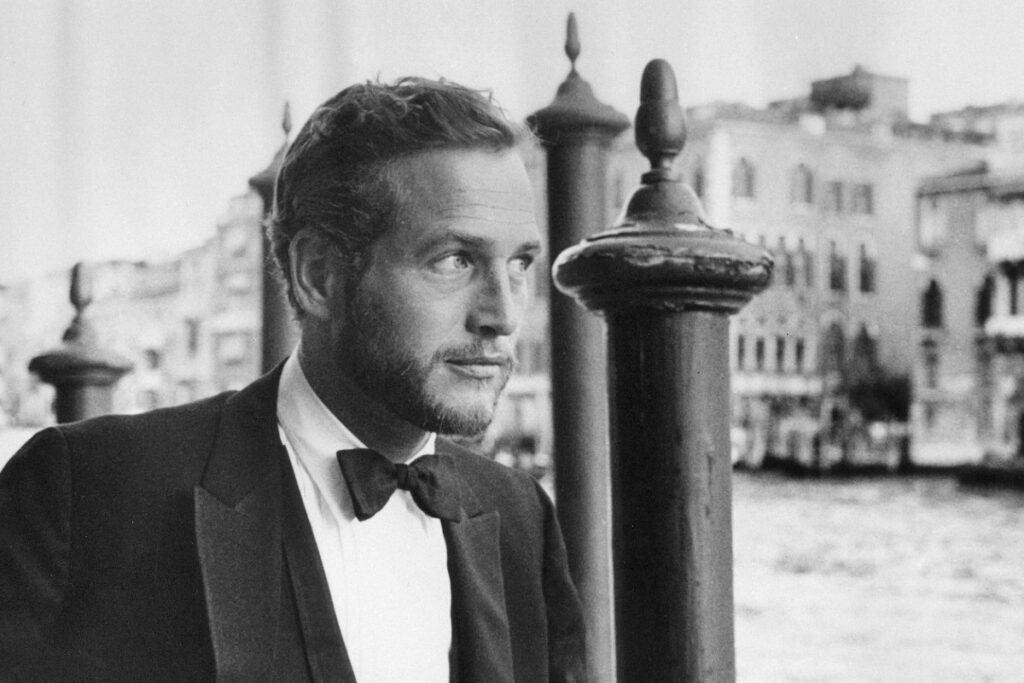
Marlon Brando’s payday stuns Hollywood and Newman
While Newman stepped away, Marlon Brando stepped in and accepted the role of Jor-El. Astonishingly, Brando negotiated a groundbreaking deal: over $20 million for just a few days of work, thanks to a percentage of the film’s box office revenue. This payday set a new standard in Hollywood and stunned many at the time, including Newman himself.
Imagine learning that a role you turned down paid another actor millions for minimal time on set. According to various accounts, Newman privately expressed regret, not just over missing the financial windfall but also for underestimating the film’s cultural and cinematic impact. “Superman” became a global phenomenon, shaping the superhero genre for decades to come.
An artist’s principles in a blockbuster world
Newman’s choice also reflects his career-long resistance to franchise films. He championed stories rooted in character rather than spectacle, a stance reminiscent of certain modern actors like Leonardo DiCaprio, who avoid the superhero genre entirely. This mindset, while admirable, often came with trade-offs. Newman missed out on roles that could have added financial security or cemented his legacy in new ways.
Nevertheless, this wasn’t a pattern of hesitation or mismanagement. Newman built a career rich in memorable performances, from “The Hustler” to “Cool Hand Luke”. His legacy was shaped by his aversion to the obvious and a preference for roles that deeply resonated with him. Yet, the “Superman” episode remains a provocative chapter in his journey, proof of how the cinematic what-ifs can linger, even for Hollywood’s brightest stars.