
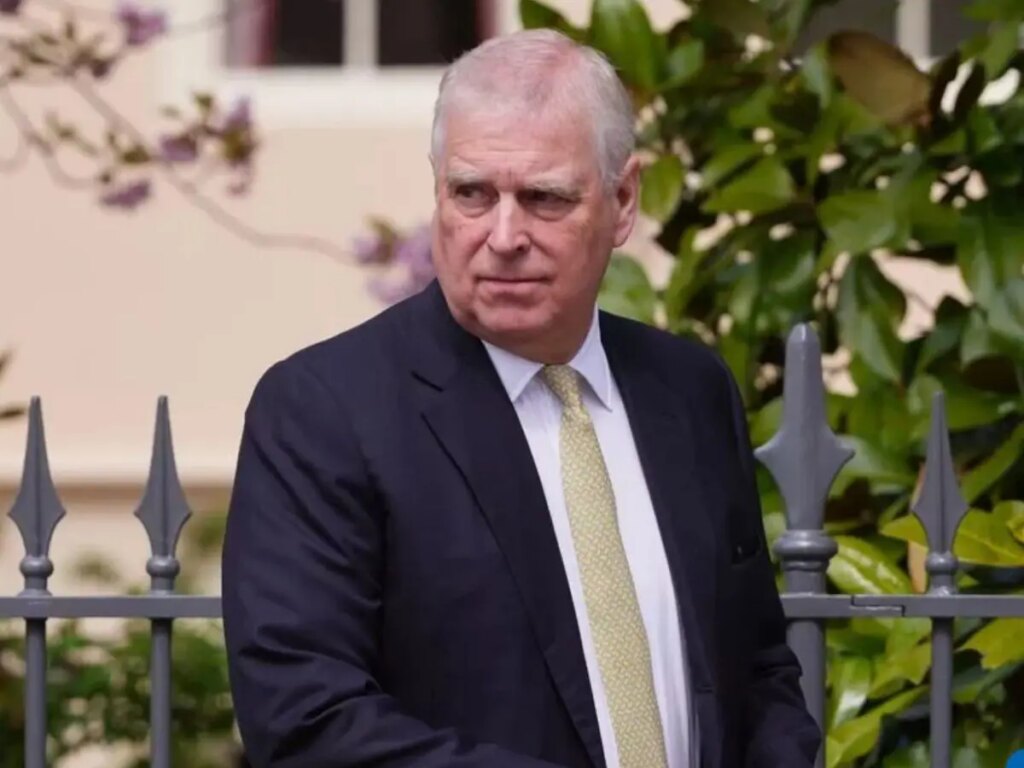
In a dramatic development that marks the final step in his retreat from royal life, Prince Andrew has agreed to give up all his royal titles and honours, including Duke of York, following discussions with King Charles III, Buckingham Palace confirmed on Friday, October 17.
The announcement comes after years of controversy surrounding the 65-year-old royal’s alleged ties to the late convicted sex offender Jeffrey Epstein, and renewed public scrutiny triggered by upcoming revelations in the posthumous memoir of Virginia Giuffre, who had accused Andrew of sexual assault.
Add WION as a Preferred Source
Prince Andrew’s official statement
In an official statement released through Buckingham Palace, Andrew said, “In discussion with The King, and my immediate and wider family, we have concluded that the continued accusations about me distract from the work of His Majesty and the Royal Family. I have decided, as I always have, to put my duty to my family and country first.”
He continued, “With His Majesty’s agreement, we feel I must now go a step further. I will therefore no longer use my title or the honours which have been conferred upon me. As I have said previously, I vigorously deny the accusations against me.”
While he will stop using his Duke of York, Earl of Inverness, and Baron Killyleagh titles, as well as his position as Royal Knight Companion of the Order of the Garter, he will remain a prince by birth, as such a status can only be removed by an act of Parliament.
What this means for the Royal Family
The move effectively ends Prince Andrew’s formal association with the royal establishment. Although described as a voluntary decision, royal insiders suggest the King’s involvement made it clear that pressure had been mounting within the palace to act.
As per The Sunday Times report, both King Charles and Prince William were consulted before the decision was made, as the monarchy sought to distance itself from the ongoing scandal ahead of several major state and religious events this month.
His ex-wife, Sarah Ferguson, will also drop the title of Duchess of York and be known simply by her name. At the same time, their daughters, Princess Beatrice and Princess Eugenie, will continue to retain their royal titles and responsibilities.
A long fall from grace
Prince Andrew’s downfall began with his 2019 BBC Newsnight interview, where he attempted to defend his friendship with Epstein, a move widely regarded as disastrous. Soon after, he was forced to step back from public duties, losing numerous military affiliations and patronages.
In 2022, Queen Elizabeth II stripped him of his military roles. She banned him from using “His Royal Highness” in any official capacity after he settled a civil lawsuit filed by Giuffre for an undisclosed amount, while maintaining his innocence.
Although he has remained largely out of the public eye since then, Andrew continued to live at Royal Lodge in Windsor, where he would remain under a private tenancy agreement. He is currently eighth in line to the British throne, though his royal role is now entirely ceremonial.
Renewed scrutiny and timing of the decision
The announcement coincides with renewed attention on Andrew’s relationship with Epstein after newly surfaced emails appeared to show he remained in contact with the financier months after claiming to have severed ties.
It also precedes the publication of Giuffre’s posthumous memoir, which is expected to reignite discussion over the case and the royal family’s handling of the scandal.
As per the reports, King Charles hopes the decision will help restore focus on his reign and upcoming state engagements, including a historic meeting with the Pope at the Vatican next week, the first by a British monarch since the Reformation.
Still a Prince, but in name only
Legally, Prince Andrew remains a prince as the son of the late Queen Elizabeth II, though he will no longer style himself as “His Royal Highness” or use any peerage titles. Removing his dukedom entirely would require an act of Parliament, a process last invoked in 1919 against a royal who sided with Germany during World War I.
Related Stories