
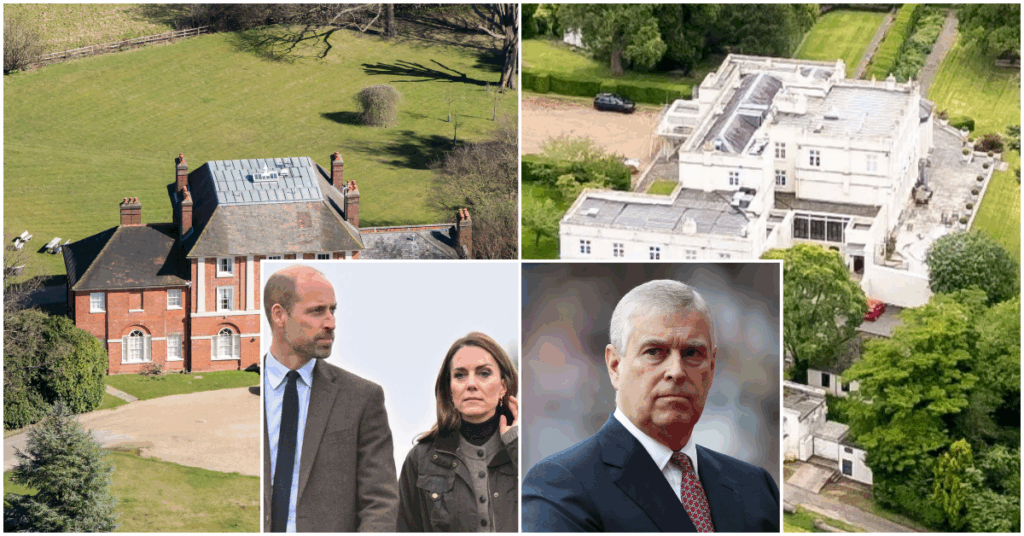
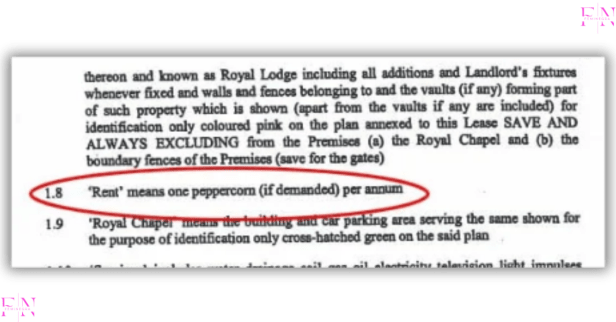
The renewed focus on Prince Andrew’s 75-year lease at Royal Lodge has revived debate about royal privilege and public accountability. While The Times presented the details as new, they were first disclosed in a 2005 National Audit Office report. That document confirmed Andrew paid £1 million for the lease, invested £7.5 million in renovations, and owes only a nominal peppercorn rent. The arrangement has long exemplified how flexibly the Crown Estate treats royal tenants.
The contrast with Prince Harry and Meghan Sussex remains striking. In 2023, King Charles ordered their eviction from Frogmore Cottage, the Windsor home they had personally renovated and repaid £2.4 million to reimburse taxpayers. That decision, made shortly after Spare, appeared less about cost and more about control. While one royal’s honesty cost him a home, another’s scandal secured him continued comfort.
Advertisement
The Protected Prince at Royal Lodge
The lease for Royal Lodge remains one of the most favourable in modern royal history. Andrew’s 75-year agreement allows him to reside at the 30-room mansion until 2078, paying no rent but assuming responsibility for all maintenance. In return for his £7.5 million refurbishment, the lease also grants him the right to compensation for unamortised costs if he leaves early.
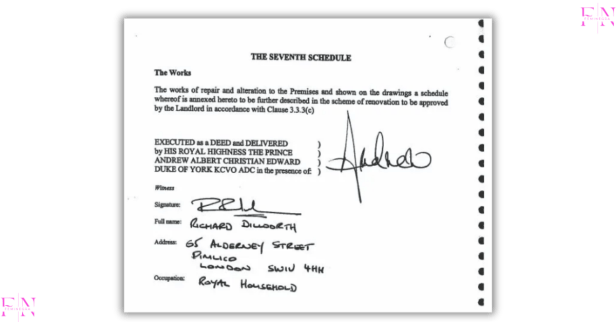
The estate covers extensive private gardens, staff cottages, and a police suite. Once home to the Queen Mother, it sits within the publicly owned Crown Estate, whose profits are returned to the Treasury. However, Andrew’s upkeep obligations apply only to the property itself, not the surrounding estate.
For the King and his heir, however, the optics are again troubling. Andrew’s continued privilege follows his removal from public life and his agreement to cease using royal titles formally. Yet despite that, he has never been asked to vacate the home that symbolises the monarchy’s immunity from accountability. It remains unclear who now covers his security costs since the Metropolitan Police scaled back royal protection in 2022.
The Evicted Couple at Frogmore
Harry and Meghan’s repayment of £2.4 million for Frogmore Cottage’s renovation was unprecedented among royals. Their eviction, announced by Charles in 2023 after Spare, revealed how swiftly the institution punishes independence rather than misconduct. Unlike Andrew’s long lease, Frogmore was a grace-and-favour residence, occupied only at the King’s discretion.
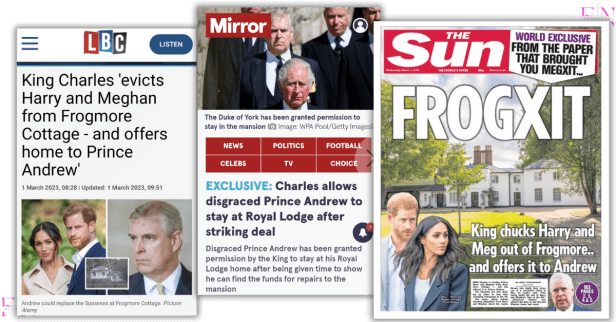 The media called it “Frogxit”, a royal eviction that exposed how the Crown punished honesty while protecting scandal.
The media called it “Frogxit,” a royal eviction that exposed how the Crown punished transparency while protecting scandal. The Sussexes, who sought financial independence, were stripped of their Windsor home and security despite repaying every penny of the renovation costs. Meanwhile, the Duke of York continues to live rent-free at Royal Lodge, shielded from consequence.
At the same time, Prince William and Kate Middleton moved into Adelaide Cottage in 2022, a Crown Estate property renovated with public funds. Now, in 2025, the couple are moving into Forest Lodge, another Windsor Estate residence reportedly undergoing refurbishment through Crown Estate revenues. To add to the Walese’s new estate, nearby tenants were asked to vacate ahead of the move, further fuelling criticism that royal comfort often comes at public expense.
Advertisement
A System Built to Protect Itself
The debate over Royal Lodge and Frogmore exposes the monarchy’s deeper problem: accountability is conditional. Even after Andrew’s public disgrace, the Crown shielded him from consequence. When Harry and Meghan sought peace after years of media hostility, the institution evicted them from the only royal residence they personally repaid. The contrast exposes a hierarchy that rewards compliance and punishes independence.
Public confidence depends on fairness, yet royal property arrangements remain opaque. The renewed coverage by The Times has reignited debate, but the facts were never hidden; they were merely ignored. The real question is who now funds Andrew’s security. Whether taxpayer money still plays a role remains unclear.
If the monarchy hopes to survive the modern age, it must choose between serving the public with transparency or preserving itself in secrecy.
Advertisement
Like this:
Like Loading…
Discover more from Feminegra
Subscribe to get the latest posts sent to your email.