

Indigenous Peoples’ Day: What It Is & Why It’s Important
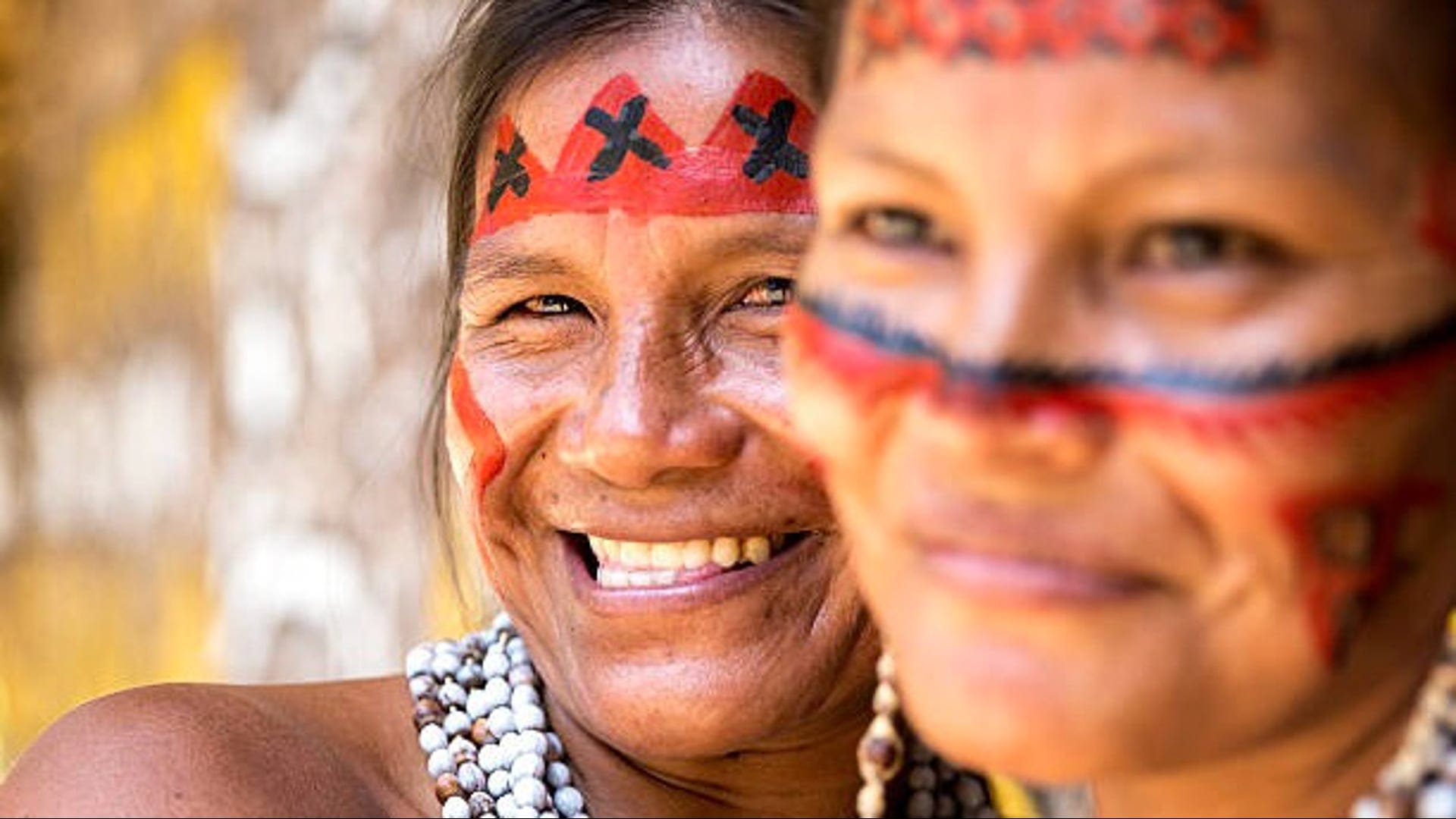
Indigenous Peoples’ Day is a day to commemorate Native American History and culture and has been federally recognized through proclamation for the past three years.
unbranded – Lifestyle
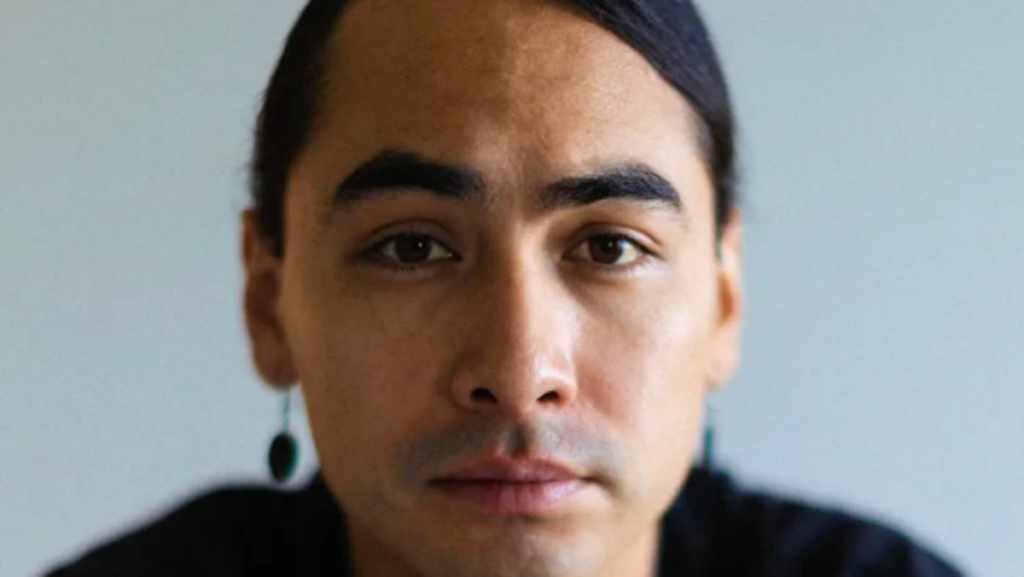
Julian Brave NoiseCat, a Bremerton resident, will appear at the Roxy on Nov. 6, where ‘Sugarcane’ will show before a Q&A session.’Sugarcane,’ now available on Disney+ and Hulu, was nominated for Best Documentary FeatureThe film focuses on the negative impacts Indian residential school system had on Indigenous families and societies.
Bremerton is where Julian Brave NoiseCat, a filmmaker and writer, and his father, artist Ed Archie NoiseCat, reconciled.
Ed had abandoned Julian when he was 6. After reconnecting the 32-year-old Julian, who was raised by his mother in California, is now in a place to share that story. The result of his recent work, as well as an investigation of abuse and death at an Indian residential school in Canada his father was sent to, is the documentary “Sugarcane,” which NoiseCat co-directed with Emily Kassie, and his first book, “We Survived the Night.” The film was nominated for Best Documentary Feature at the Oscars in 2025. Julian is also the first Indigenous North American filmmaker nominated for an Academy Award. And the book was released this month.
And he worked on the two in Bremerton, where he’s lived with Ed the past four years.
In November, residents in Kitsap County — Julian’s neighbors — will have a unique opportunity to watch “Sugarcane” at the Roxy Theater in Bremerton, as part of the theater’s film series in November that honors the voices of Native people and their history.
The Kitsap Sun interviewed Julian Brave NoiseCat via phone when he was in Colorado for his book tour. The following is the Q&A with Julian. The content was slightly edited to ensure a smooth read.
Why do you think people in Kitsap County should watch ‘Sugarcane’ and read ‘We Survived the Night’?
I’ve been living in Kitsap County the last four years while I worked on my first book and my first documentary, “Sugarcane,” which was nominated for the Academy Award, which was obviously a huge, huge honor. And now it’s super exciting to see my first book out in the world. To see it being received in the way that it’s been received so far has just been so special.
The two projects are related in a sense. “Sugarcane” tells the story of the system that nearly wiped my people’s culture off the face of the Earth. And “We Survived the Night,” through storytelling, tries to weave that world back into existence through our own lives and stories and traditions, in particular, the ancestral stories of the trickster coyote.
I think that it has been really special to call Kitsap County home the last four years. The county itself is named after Chief Kitsap, one of the most consequential Coast Salish leaders in the history of the Salish Sea. And I’ve been living on Chico Bay, the homeland of the Suquamish. I think that this film and the book can help people better understand the indigenous history and present of the Pacific Northwest, the place that they call home.
There’s a lot in there to help people understand what has been happening to Salish peoples across the U.S.-Canada border over the last 300 years.
What has brought you to Bremerton?
I moved to Bremerton to move in with my dad to write the book and the documentary. So, the documentary follows an investigation into abuse and missing children at the Indian residential school that my family was sent to near Williams Lake, British Columbia. My father was born at that school and found in the trash incinerator not long after his birth. So the documentary tells a story of a genocide that happened right here in North America, and that has enduring consequences for families like my own, as well as the Suquamish who live in Kitsap County, also share this history.
And the book is trying to tell the story of indigenous peoples across North America more broadly, and to do that in a way that is true to the traditions that were nearly wiped off the face of the Earth by schools like St. Joseph’s Mission, the Indian residential school at the core of sugarcane.
The story is basically that he and I were reconciling. He left when I was a kid. So the history of the residential schools impacted us in the sense that he was abandoned at a school, and then he turned around and abandoned his own kids. So the story of the documentary and the book is a story of reconciliation between him and I.
So we reconciled, essentially, while living in Bremerton over the last four years.
What messages do you want to tell those in Kitsap County who haven’t read or watched your work?
First, I’m really proud to have lived in Kitsap County, to call Kitsap County and Bremerton home over the last four years while I put my first major works out into the world. I think it’s kind of cool to maybe be the only — I don’t know if there’s ever been — an Academy Award nominee from Bremerton. So that’s kind of cool.
I’m really excited for people to come out and watch. The film has gotten a lot of buzz. It’s on Disney+ and Hulu, but it is best viewed in a theater for sure. And the book was on NPR Fresh Air with Terry Gross just last week and has been getting a lot of buzz in the press.
I’m just really excited to come, share those works with people who live in the same place I’ve lived, people whom I’ve played tennis with at the Kitsap Tennis and Athletic Center, folks I’ve played hockey with at the Bremerton Ice Center, just other people who call the beautiful county home.
How do you feel about having the opportunity to bring your work to the world?
It’s been amazing. I love telling stories. I love writing books, making movies. I feel so lucky to get to do this for my living. And I just want to keep making art. I’m already started on my next book, which is a novel, and I’m already starting on my next documentary as well.
At the end of the day, my goal is just to get as many people the opportunity to watch the film, especially in theaters. It’s traveled all over the world at this point. We were just in Norway three weeks ago with the film. And, I’m on a big book tour with my book right now. I’m in Boulder, Colorado. They’re sending me to over 15 cities over the next three weeks. So it’s really special to include my hometown that I’ve called home on that tour.
Roxy Theater Documentary Screening: Sugarcane
When: November 6, Thursday. Begins at 6:45 p.m.
Where: Roxy Theatre at 270 4th Street, Bremerton.
What: The event is part of Roxy Theatre’s indigenous film series to celebrate Native American Heritage Month. Audiences will watch “Sugarcane,” and after the screening, NoiseCat will discuss the documentary and his book, “We Survived the Night,” and sign copies of the book. Two other films, “From Earth to Sky” on Nov. 13 and “Fish War” on Nov. 20 are part of the series.
Is the film screening free? Yes.
Can I buy Julian’s book there? Yes. The book will be available to purchase at the event or pre-ordered with a ticket reservation.
Age limit to watch the film? “Sugarcane” is rated R, and children under the age of 14 must be accompanied by a parent or legal guardian.
Reserve a spot here.