
(Credits: Far Out / Alamy)
Sat 8 November 2025 2:00, UK
The sharp teeth of Berry Gordy and Motown are often hidden behind shiny veneers that portray a sense of musical integrity.
Sure, the label platformed some of the most influential music of the 1960s and 1970s, allowing a booming era of soul to follow closely behind. But the fact is, it hid as much toxicity as it did innovation, and Jackson 5 were perhaps the greatest example of that.
When he led the vocals of his family band Jackson 5, it was clear to Gordy that his angelic voice would lead to dollar signs. Paired with the fact that this stood at the very front of a family-made band and the songs were largely celebrating the innocence of young love, Gordy quickly realised he would tap into something idealistic within the American audience.
But behind that greatness, existed danger. Gordy ruled the label with an iron fist, and Joe Jackson, the family patriarch, operated in a similar fashion. It ultimately made for a conflicting start to Jackson’s musical career.
They eventually left the label in a truly messy fashion, with a lawsuit delivered their way by Gordy. When they realised that they were Motown’s cash cow, dominating all of the chart positions at the time, yet only seeing 2.9% of the profits, they decided to leave. Gordy hit back with a lawsuit, which made their exile into creative freedom all the more difficult.
The power Gordy exerted over them ultimately stemmed from the fact that he took them on at a very early age. He could leverage his own ambitions against their naivety, and that was generally the story for the early stages of their career. However, it could have been different were itnot for the intervention of a fellow music icon.
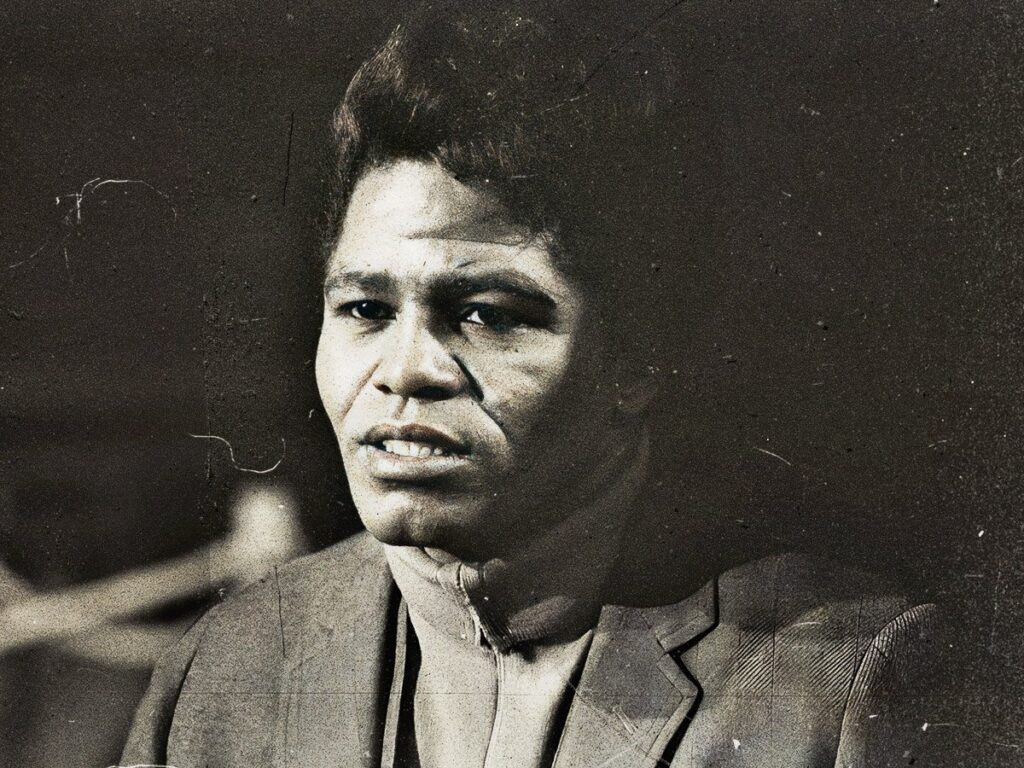
James Brown’s business partner Willie Glenn explained how the soul singer almost snapped the young singer up, claiming, “Brown could have signed Michael Jackson up, before he even started.”
He continued, “He had a chance to sign him and all his brothers up back at the Apollo Theater, but you know what he told them? Stay in school. He could have tied Michael up back then. At that time, the Jacksons needed help, like anybody, so they came to one of the top entertainers. Mr. Brown could have got him for a 30-year contract. Sometimes in a man’s life, he’ll sign for a 30-year contract, just to make it. It’s like Jackie Wilson or Little Richard. They never got any money.”
It’s hard to understand in that claim whether Brown would have saved Jackson from Gordy’s bureaucracy or whether he would have just provided a similar experience repackaged. But what Jackson would have received is some musical mentorship that would have extended beyond the realms of a business relationship.
The pair would meet later down the line, when a solo Jackson had become a megastar and the damage of his difficult upbringing had been done. But I can’t help but feel like, for both emotional and financial reasons, Brown regrets his decision.
Related Topics