
The Gist
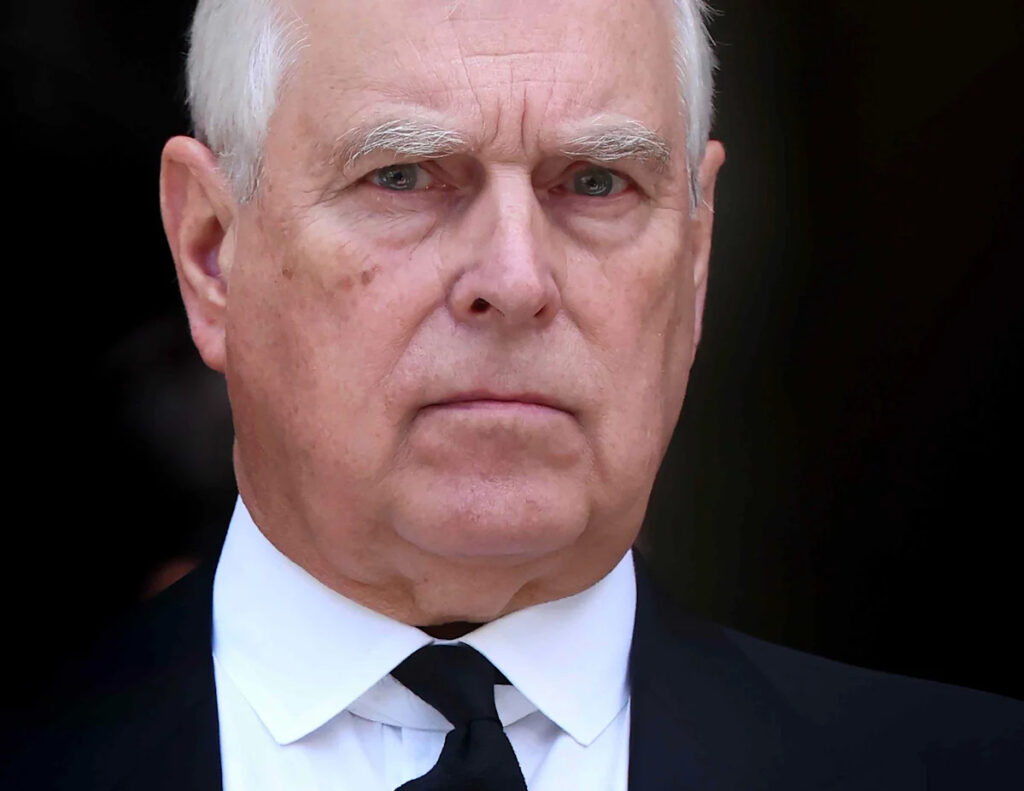
Prince Andrew’s royal titles and privileges were stripped by his older brother, King Charles, on October 30.
In a statement from Buckingham Palace, it revealed that Andrew would now go by Andrew Mountbatten Windsor.
This left many questioning why his surname was not hyphenated, like Queen Elizabeth’s preferred styling of Mountbatten-Windsor.
When the news came down on October 30 that the former Prince Andrew would henceforth be known as Andrew Mountbatten Windsor, many were confused as to why his surname didn’t contain the hyphen that Mountbatten-Windsor has been styled with since its inception.
It seems that the removal of the hyphen was at Andrew’s request, and a new report from The Telegraph says that the palace is changing Andrew’s name yet again—from Prince Andrew to Andrew Mountbatten Windsor to Andrew Mountbatten-Windsor—all in less than two weeks.

Getty Images
Andrew Mountbatten-Windsor on April 20, 2025
The decision was made to reinstate the hyphen because of its “historic precedent,” according to The Telegraph—and because it is the way the late Queen Elizabeth wished it to appear.
The Mountbatten-Windsor surname was first introduced in 1960, following the birth of Andrew that same year. Though the Queen and her husband Prince Philip had two children before she took the throne in 1952—King Charles, born in 1948, and Princess Anne, born in 1950—Andrew was the first child to be born after her reign began eight years prior. Younger brother Prince Edward would complete the family in 1964.
Mountbatten-Windsor is the combination of the Windsor family surname of the royal family and Mountbatten, Philip’s last name.
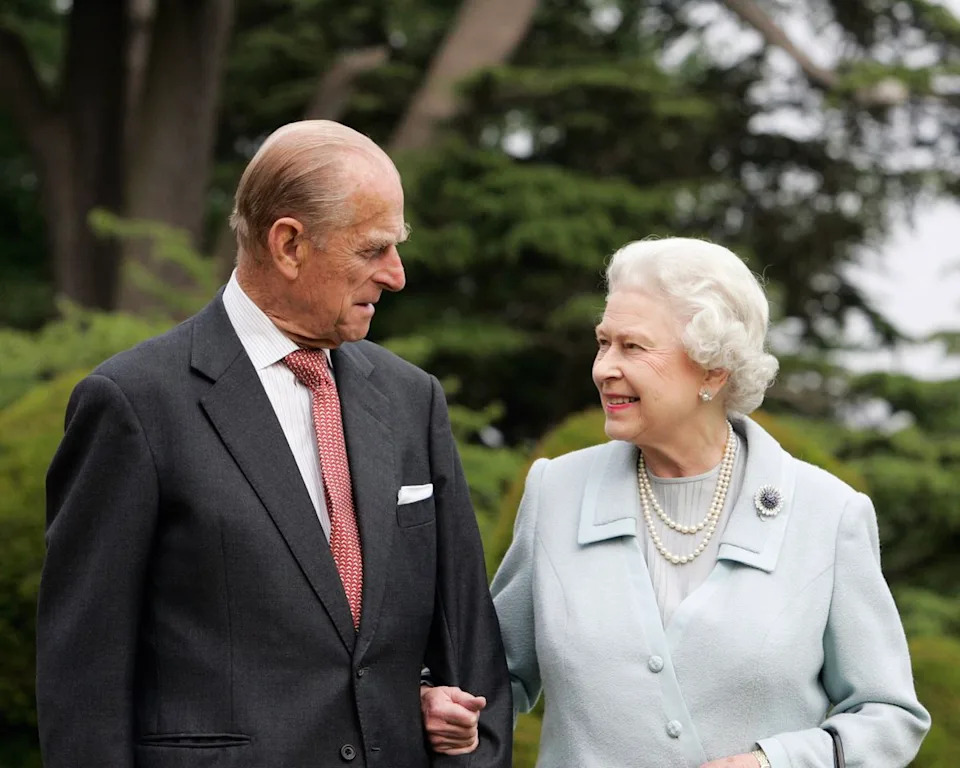
Tim Graham/Getty Images
Prince Philip and Queen Elizabeth on their diamond wedding anniversary in November 2007.
“I was quite surprised when the palace statement came out giving Andrew’s name without a hyphen, given the historic precedent for one,” royal historian and author Ian Lloyd told The Times. “Prince Philip had complained that he was ‘the only man in the country not allowed to give his name to his children,’ which made him ‘nothing but a bloody amoeba.’ The late Queen’s privy council declaration, therefore, was a way in which the name Mountbatten could be preserved for future generations.”
“Despite everything that has gone on, I expect that Prince Philip might at least be pleased to know that the Mountbatten name lives on,” Lloyd added.
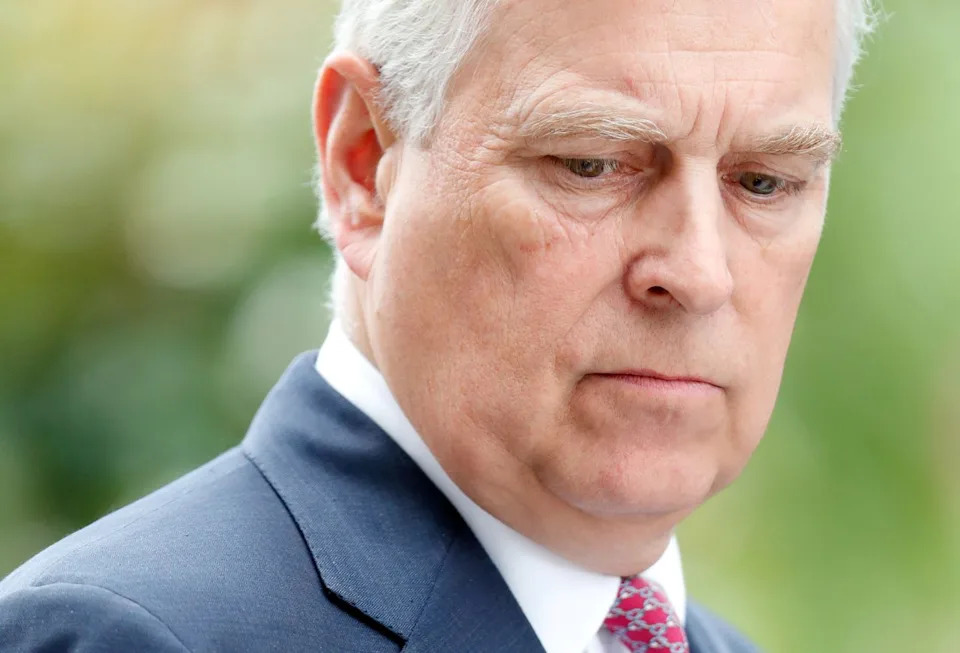
Getty
Prince Andrew on July 27, 2019
It is unknown exactly why it was Andrew’s reported preference that the hyphen be excluded from the Mountbatten-Windsor surname, and as of press time, the palace hasn’t released an official statement with Andrew’s new, hyphenated surname included—but likely will in due course, according to reports.
Read the original article on InStyle