
The Epstein documents will just keep reminding us how long it took the Royal Family to act
Fairness is an odd concept for anyone born into a royal family. On the upside, you’re born into immense wealth, privilege and the possibility of becoming the head of state for your nation through nothing other than an accident of parentage. The downside is the relentless scrutiny that goes along with all that.
For Andrew Mountbatten-Windsor, the royal formerly styled as “Prince”, that has proven a relentless misfortune. Second in line to the throne at his birth, Andrew has slipped further and further down the line of succession – and so further from the heart of the action – as he’s got older.
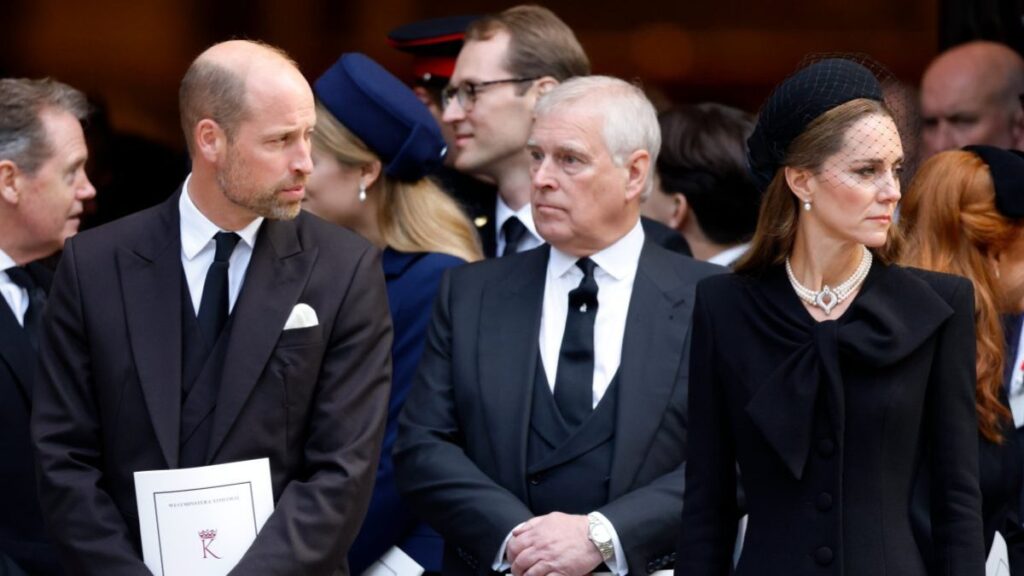
Foremost among those to leapfrog Andrew in the line of succession is, of course, Prince William – who has been using his new role as Prince of Wales to try to modernise and reform the image of the monarchy. His wife, Catherine, has been part of this effort, in part through her unusual public disclosure of her cancer, but also through events calling for businesses to value “time and tenderness”. They are, in short, trying to make the monarchy about everything that Andrew is not.
As he’s slipped further from relevance, though, he has gained ever more notoriety, not least through his long-standing association with Jeffrey Epstein, the serial sexual abuser and trafficker.
Andrew has long denied any wrongdoing, and continues to do so, but the embarrassment of the association continues – even after it led to him finally being stripped of his titles in recent weeks, and being thrown out of Royal Lodge, a 30-room mansion in Windsor Great Park in which he had lived for years for a rent of just a single peppercorn a year.
Having lost both the titles and the home to which he had long fought to retain, Andrew – and the Royal Family as an institution – would surely hope the story might be over, but more Epstein documents just keep coming.
Last week, the US House of Representatives released a tranche of some 20,000 pages of documents turned over by Epstein’s estate. This week, the House and the Senate have passed a bill ordering the release of all Epstein documents held by the Department of Justice.
Andrew is virtually no one’s prime target in any of these disclosures, but he has a history of being embarrassed by document disclosures aimed at others. In 2010, when WikiLeaks released a cache of 250,000 diplomatic cables from the US State Department, one of them disclosed an astonishingly indiscreet meeting Andrew had held in Kyrgyzstan.
The appalled-sounding ambassador noted Andrew “at times verged on the rude”, referred to playing the “Great Game”, and condemned “these (expletive) journalists” who exposed corruption in British arms deals abroad, for “pok[ing] their noses everywhere”.
This was nothing versus what was to come in later years. First a photo emerged of Andrew with his arm around the waist of a teenage girl – Epstein accuser Virginia Giuffre – in a photo he then alleged had been doctored, saying, “you can’t prove whether or not that photograph is faked or not”.
Things got worse in 2015, when Giuffre, then as an anonymous “Jane Doe” victim, filed a civil lawsuit against Epstein. Andrew was not among the parties being sued, but the court documents contained accusations alleging she had been repeatedly forced to have sex with Andrew – marking the first time he was named in court documents in relation to the case. He continues to deny Giuffre’s allegations.
The prospect, then, of thousands more Department of Justice documents relating to Epstein being published is hardly a welcome one. Andrew himself may feel that he’s got little more to lose, though Epstein’s victims may feel otherwise – but the Royal Family itself is surely fearing another reputational battering.
King Charles was finally in recent weeks persuaded to do what his mother – who reportedly considered Andrew to be her favourite child – would not, and decisively cut ties with his brother. But the King had long vacillated before doing so, while royal sources claiming Prince William had urged him to take action much sooner.
Prince William is believed to have one eye firmly on his succession, and how he can modernise the monarchy so it can survive as a 21st century institution, even as the UK removes the last of its hereditary peers and risks the royals looking increasingly like a historic relic.
Here, the unfairness of royal life returns – William had no role in choosing his uncle, and for much of the time the palace failed to act on Andrew’s endless financial and personal scandals, he was either a child or young man serving in the military. As soon as he played an active role in the Royal Family, he pushed for Andrew’s removal.
And yet, it’s Prince William and Kate’s drive to modernise the monarchy, to present it as accessible, relatable and relatively normal, that is most threatened by further disgrace for Andrew, if future document releases prove as damaging as what went before. Yes, the royals eventually did the right thing – but more information will only serve to remind everyone just how long that took, and how much was ignored along the way.
The downfall of Jeffrey Epstein took decades, and six years after his death the story and scandal are still unfolding. It’s a scandal that could still undermine the remaining years of Donald Trump’s presidency. There’s an outside chance it could spell the end of the British monarchy, too.