
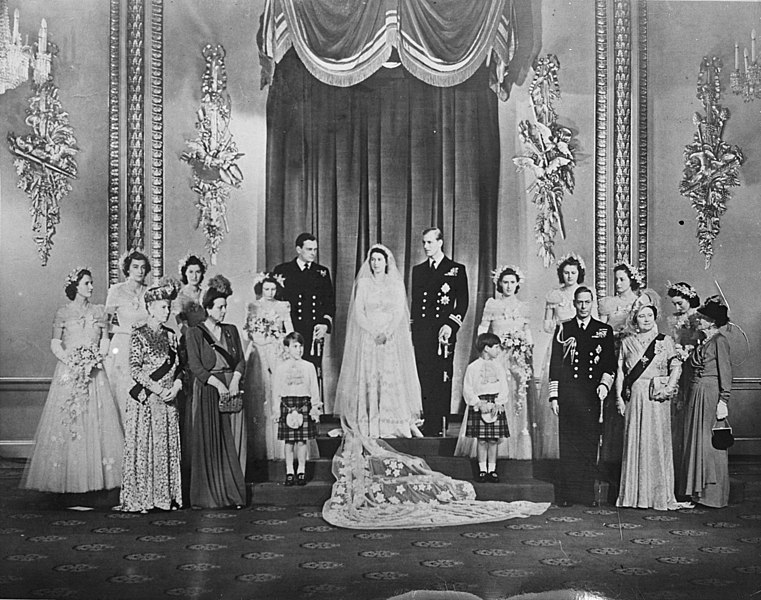
Thursday marks 78 years since the royal wedding that would shape
the modern House of Windsor. On November 20th 1947, Queen Elizabeth
II, then Princess Elizabeth, married Lieutenant Philip Mountbatten
at Westminster Abbey in a ceremony that would lead to one of the
most enduring royal unions in history.
Long before the vows were exchanged, newspapers were filled with
meticulous details of the event, capturing the imagination of a
nation still recovering from the Second World War. Publishing every
facet of monarchical weddings is often considered a contemporary
obsession, yet in 1947 the press left almost nothing to the
imagination.
Just days before the ceremony, the Northern Whig
revealed the layout of the top table at the wedding reception. As
expected, the newlyweds were joined by the bride’s parents, King
George VI and Queen Elizabeth, and the groom’s mother, Princess
Andrew of Greece. Prince Philip’s father had died three years
earlier, in 1944. While the presence of foreign royalty was noted,
the newspaper was far more intrigued by the decorations than the
guests themselves.
The centrepiece would feature myrtle grown from a sprig of Queen
Victoria’s own wedding bouquet, combined with pink carnations and
white heather. The choice was practical: all three flowers were
long-lasting, requiring minimal care while maintaining a sense of
elegance. Heather became something of a theme for the day, with
every guest receiving a simple wedding favour – a sprig of white
heather tied with silver ribbon – as a keepsake of a historic
moment.
These small but thoughtful touches reflected a post-war Britain
yearning for beauty and continuity. The fascination with every
element of the wedding – from the flowers to the seating
arrangements – underscored the public’s eagerness for joy after
years of hardship.
The significance of the day extended far beyond its immediate
fanfare. The vows exchanged at Westminster Abbey laid the
foundation for a marriage that would become the longest in the
history of any British monarch and consort. Those tiny details,
from the myrtle sprigs to the heather favours, now stand as
emblematic symbols of a union that helped define a new era for the
Royal Family.