
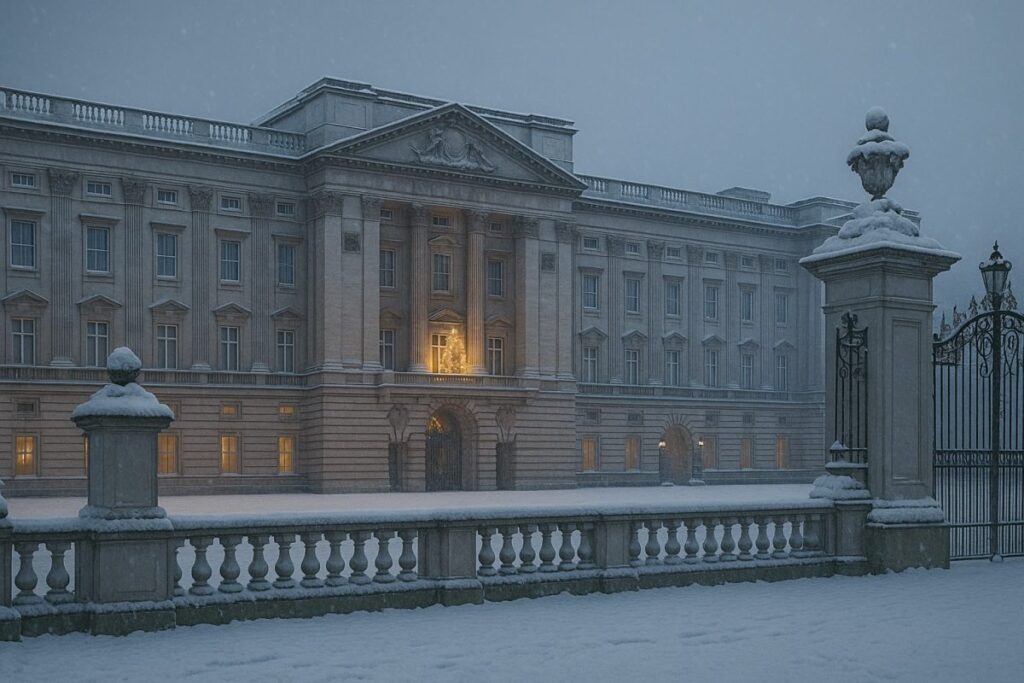
DID YOU KNOW? The way Britain celebrates Christmas today owes much to the influence of the Royal Family.
From the arrival of the decorated Christmas tree to the familiar sound of the monarch’s Christmas broadcast, royal traditions have helped shape national customs for nearly two centuries.
While many of these practices have roots outside the UK, their adoption by the Royal Household played a key role in popularising them across the country.
Victoria and Albert and the rise of the Christmas tree
Although Christmas trees had been used in parts of Germany since the sixteenth century, they were not widely known in Britain until the nineteenth century. Queen Victoria and Prince Albert, who married in 1840, helped transform the Christmas tree from a niche custom into a central feature of British festive celebrations.
Prince Albert had grown up with the tradition in Germany, and in 1848 an illustration published in the Illustrated London News showed the royal family gathered around a decorated tree at Windsor Castle. The picture captured public imagination and sparked widespread interest. Soon, households across Britain were adopting the practice, decorating trees with candles, sweets, fruits, and handmade ornaments.
By the late Victorian era, Christmas trees had become a symbol of family celebration, aspiration, and domestic warmth. Their popularity spread further through the expanding middle class, and today they remain one of the most recognisable elements of the British festive season.
The King’s Christmas broadcast
Another major royal tradition that became a national fixture is the monarch’s Christmas message. The first broadcast was delivered by King George V in 1932, written by the author Rudyard Kipling and transmitted across the Empire by the BBC. Radio was still a relatively new medium at the time, and the broadcast helped create a sense of national unity during a period of rapid technological and political change.
King George VI continued the tradition, particularly during the Second World War, when his messages offered reassurance during periods of hardship. When Queen Elizabeth II came to the throne, her first Christmas message in 1952 was broadcast on radio, and by 1957 the speech was televised for the first time.
Today, the King’s Christmas broadcast remains a key part of the festive schedule for millions of viewers. It reflects the events of the past year, acknowledges challenges faced by the nation, and reinforces a sense of continuity and shared experience.
Sandringham and the royal Christmas traditions
The Royal Family has long spent Christmas at Sandringham House in Norfolk, a tradition that dates back to the reign of King Edward VII. The estate offers privacy and familiarity, and it has become the backdrop for many well known royal customs.
Typical elements of the Sandringham Christmas include:
• A walk to St Mary Magdalene Church on Christmas morning, where members of the Royal Family attend the traditional service.
• The exchange of presents on Christmas Eve, following the German custom brought to Britain through Queen Victoria and Prince Albert.
• A formal Christmas lunch, often featuring traditional British dishes such as roast turkey and festive puddings.
• Participation in local events and activities, reinforcing the monarchy’s links to the surrounding community.
These traditions have been widely reported over the years, helping shape public expectations of what Christmas looks like at the highest level of British society.
How royal traditions influenced the wider nation
The Royal Family’s impact on the British Christmas experience extends beyond individual customs. Their celebrations have often mirrored changes in society, influencing everything from home decoration to the rise of festive media events.
The introduction of the Christmas tree encouraged families to decorate their homes, contributing to the development of the modern Christmas aesthetic. The King’s Christmas broadcast helped shape holiday broadcasting traditions, leading to the familiar Christmas Day schedule that includes speeches, films, and special programmes. Even the blend of German, British, and wider European customs found in the royal celebration has contributed to the distinctive character of the UK festive season.
A festive legacy deeply woven into British culture
From Victorian innovations to modern communications, royal traditions have played a significant role in shaping how the nation celebrates Christmas. Whether gathering around a decorated tree, tuning in to the Christmas broadcast, or embracing customs that originated far beyond Britain’s borders, families across the country continue to reflect a festive legacy that began in royal households and spread across the nation.
These traditions, rooted in history yet continually evolving, remain a central part of how Britain marks the festive season each year.
Do you have your own Christmas traditions? Do let us know in the comments below.
Image: For illustration purposes only