
Famous faces from David Bowie to Stephen Hawking have turned down prestigious royal honours over the years for various reasons
Jessica Sansome TV and Celebrity Editor and Carrington Walker GAU Writer
09:24, 30 Dec 2025
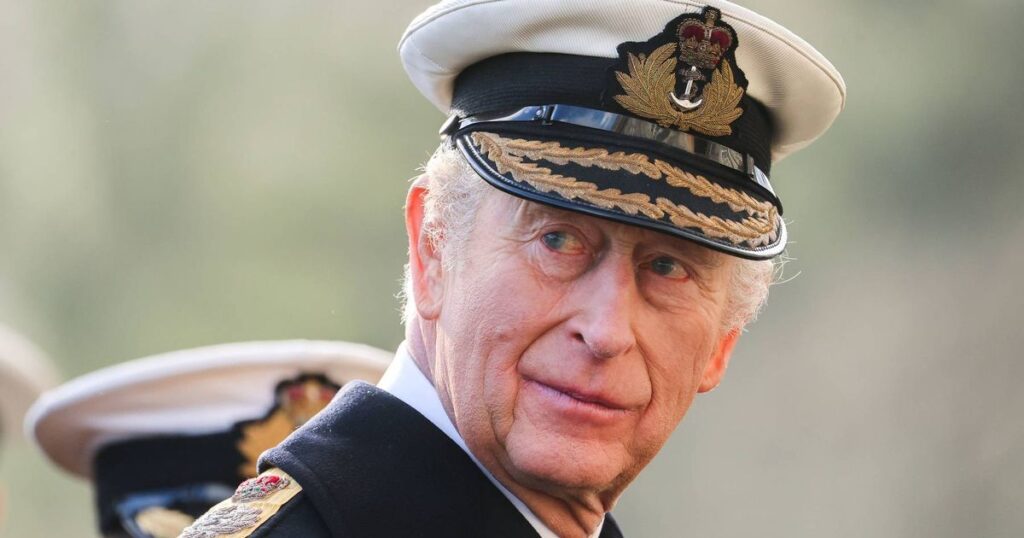
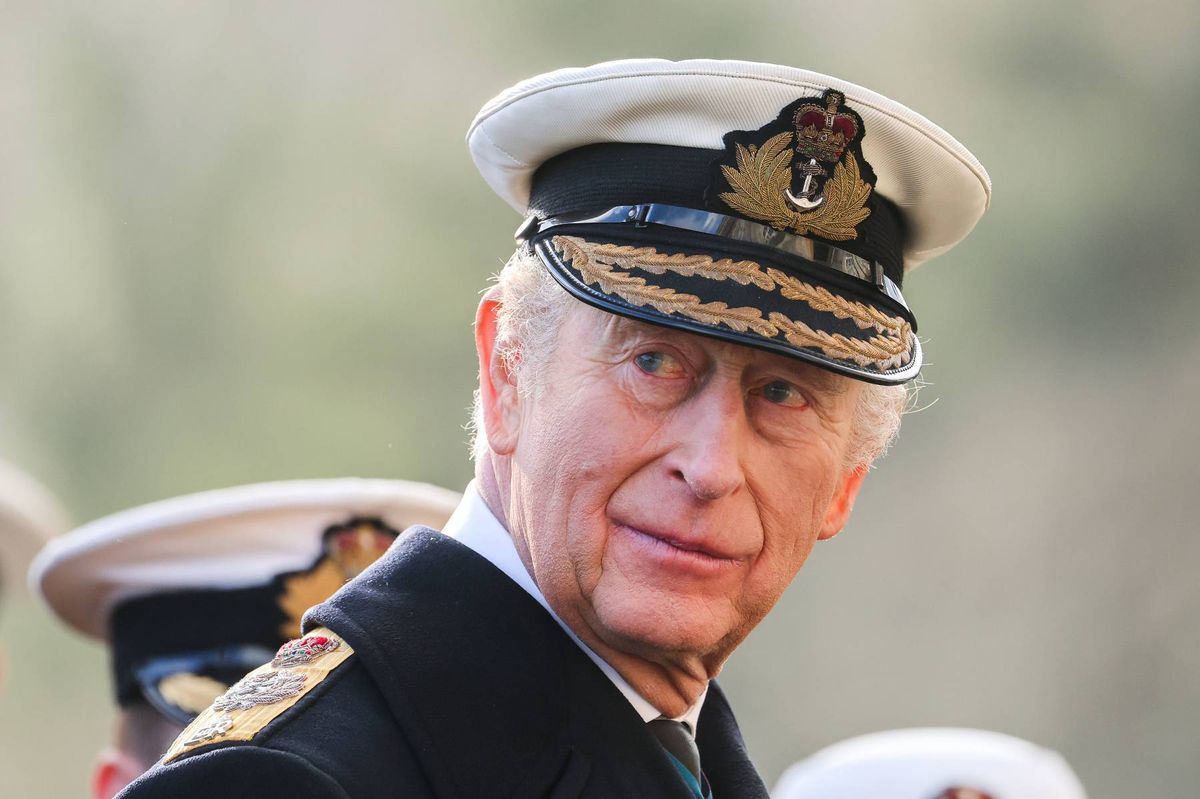 King Charles III’s New Year’s Honours for 2026 have been confirmed(Image: PA)
King Charles III has announced the recipients of the esteemed accolades for this year’s New Year’s Honours list. Luther actor Idris Elba, comedian Meera Syal, and ice skaters Jayne Torvill and Christopher Dean were among the famous faces to receive knighthoods and damehoods this year.
Such honours, rooted in orders of chivalry dating back to medieval times, have long been handed out by British monarchs. This year, the honours system celebrates individuals who have “made achievements in public life” and “committed themselves to serving and helping Britain”.
The system pays tribute to dedicated long-term volunteers, pioneering innovators, enterprising business leaders, individuals demonstrating “moral courage”, those transforming their communities or professions, and people improving the lives of the vulnerable.
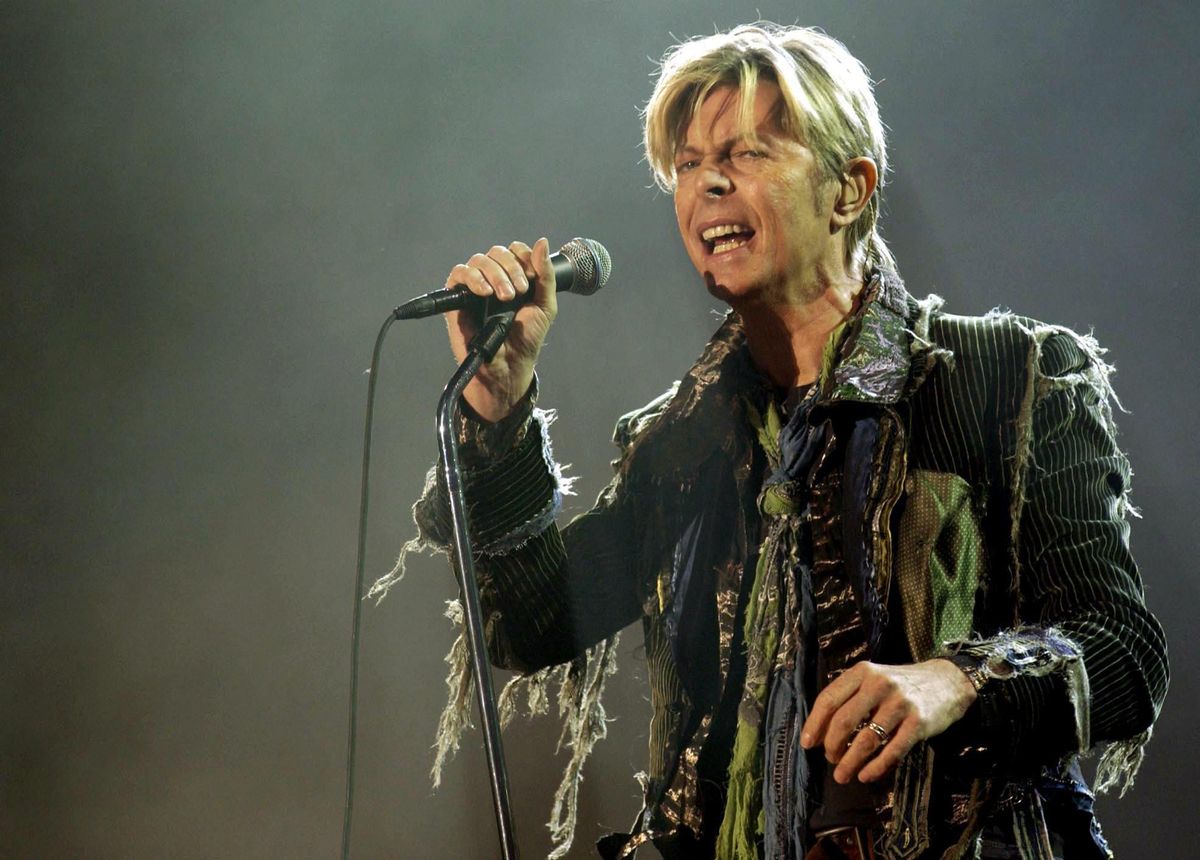 David Bowie said he “would never have any intention of accepting anything like that”
Recipients span several sectors, including sport, healthcare, science and technology, education, commerce, and the arts and media. Plus, gallantry awards honouring acts of bravery are also presented to armed forces personnel, emergency service workers and members of the public.
Britain’s honours structure comprises of five tiers: beginning with an MBE, followed by an OBE and CBE. The upper echelons include KBE or DBE (Knight or Dame Commander), and GBE (Knight or Dame Grand Cross), with the latter two meaning official knighthood or damehood, reports the Manchester Evening News.
Whilst everyday heroes receive recognition, prominent figures from entertainment, music and athletics also feature. However, certain high-profile individuals have turned down such honours for various reasons—some citing personal principles, others feeling undeserving of the distinction.
Below are some individuals who have turned down honours from the Royal family:
David Bowie
The legendary Ziggy Stardust performer was frank about his refusal of a knighthood, stating: “I would never have any intention of accepting anything like that. I seriously don’t know what it’s for. It’s not what I spent my life working for.”
Regarding Sir Mick Jagger’s acceptance, Bowie remained tactful, stating: “It’s not my place to make a judgment on Jagger – it’s his decision. But it’s just not for me.”
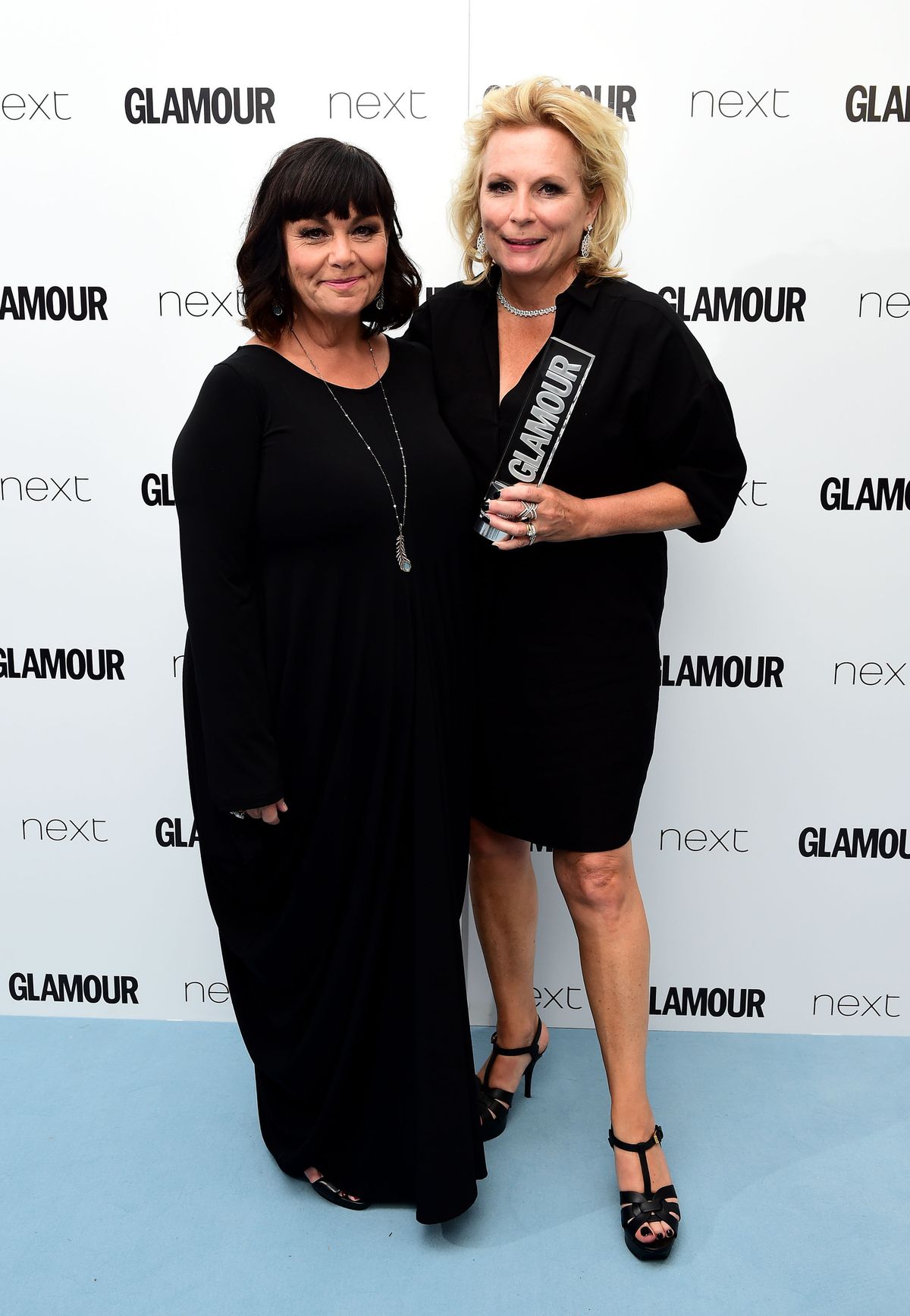 Jennifer Saunders and Dawn French turned down honours in 2001(Image: PA)Dawn French and Jennifer Saunders
The beloved comedy duo turned down OBEs “for services to comedy drama” in 2001. Saunders later explained their reasoning to Source magazine: “If I felt I deserved a damehood I’d accept it. At the time we felt that we were being paid very well to have a lot of fun. It didn’t seem right somehow. We didn’t deserve a pat on the back. It felt a bit fake to stand alongside people who devoted their lives to truly worthy causes.”
Nigella Lawson
The iconic TV chef offered a similar explanation for refusing her OBE in 2001, saying: “I’m not saving lives and I’m not doing anything other than something I absolutely love.”
Stephen Hawking
The renowned astrophysicist admitted in 2008 that he’d been offered a knighthood during the 1990s, a more prestigious honour than the CBE he possessed, but declined it. Though his precise motivations remain unclear, it was later suggested that government spending cuts to scientific research may have influenced his decision.
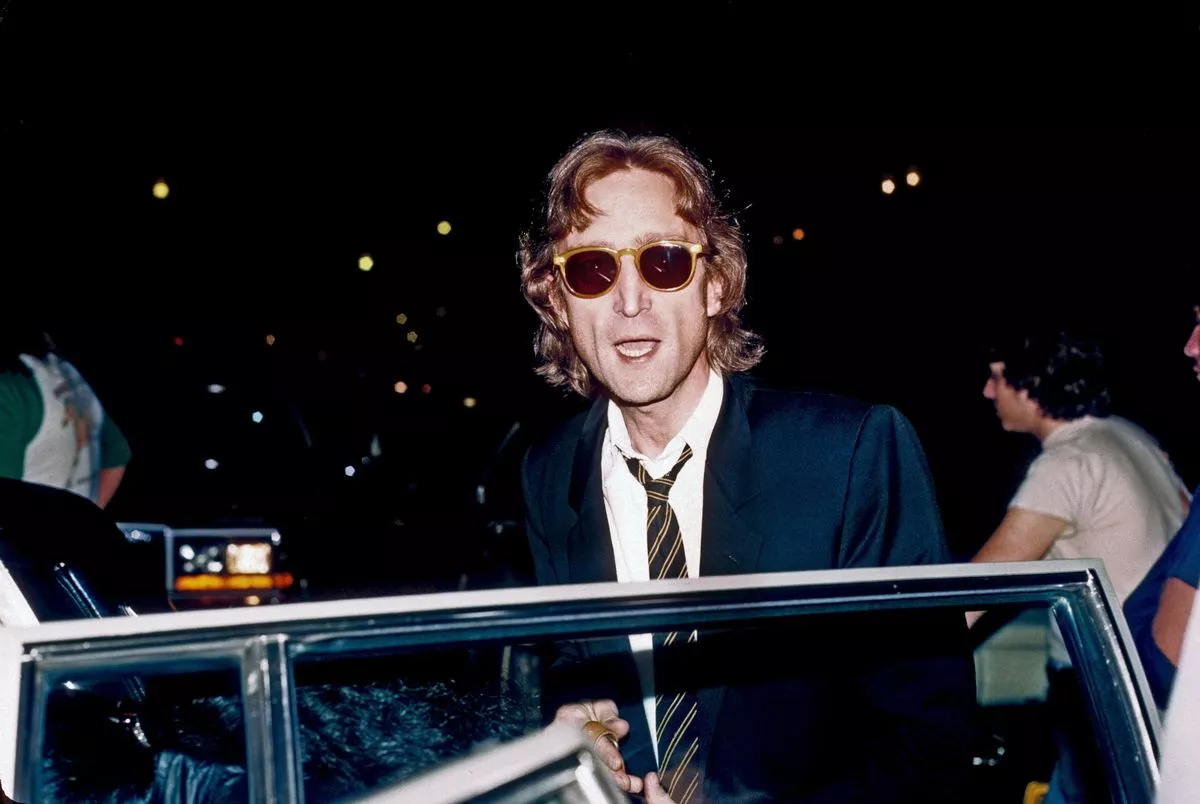 Former Beatle John Lennon listed several reasons for refusing his award(Image: Getty Images)John Lennon
Initially, Lennon accepted an MBE but chose to hand it back in 1969 in opposition to Britain’s foreign policy. In his letter, he stated: “Your Majesty, I am returning this in protest against Britain’s involvement in the Nigeria-Biafra thing, against our support of America in Vietnam, and against Cold Turkey slipping down the charts. With Love, John Lennon of Bag.”
George Harrison
The former Beatles member turned down an OBE in 2000, shortly after his bandmate Paul McCartney received a knighthood. While the exact reasoning remains unclear, speculation suggests it may have been linked to McCartney’s elevated honour.
Harrison’s friend Roy Connolly told the Independent: “Whoever it was who decided to offer him the OBE and not the knighthood was extraordinarily insensitive,” adding: “George would have felt insulted – and with very good reason.”
Benjamin Zephaniah
The celebrated poet, who passed away in December 2023, aged 65, publicly turned down an OBE in 2003 as a statement against British government policies and the legacy of the British Empire.
In a Guardian piece, he explained how the term ’empire’ within the award’s title “reminds me of slavery, it reminds of thousands of years of brutality, it reminds me of how my foremothers were raped and my forefathers brutalised”. Zephaniah described himself as “profoundly anti-empire”.
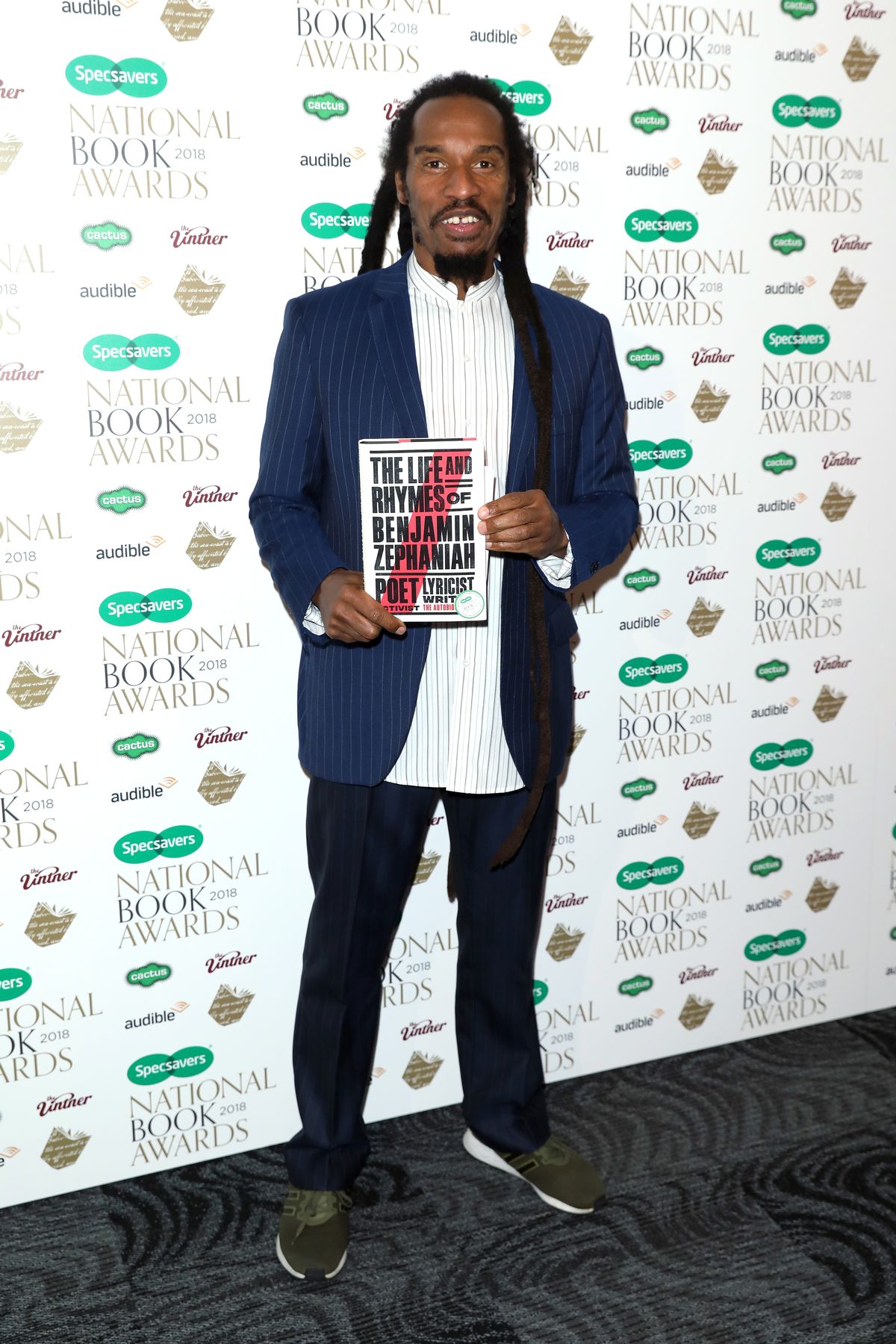 Zephaniah described himself as “profoundly anti-empire”(Image: 2018 Getty Images)Michael Sheen
Screen and stage actor Michael Sheen received an OBE in 2009, but chose to hand it back in 2017 following his research into the historical relationship between England and Wales.
Speaking to the Guardian’s Owen Jones in 2020, he explained: “By the time I had finished writing that lecture…I remember sitting there going: ‘Well, I have a choice – I either don’t give this lecture and hold on to my OBE or I give this lecture and I have to give my OBE back,'”
John Cleese
The Monty Python legend turned down a CBE in 1996, calling it ‘silly’. Three years later, in 1999, Lib Dem leader Paddy Ashdown put forward his name for a peerage.
However, Cleese wasn’t interested, as becoming a working peer would mean spending winter in the UK. He deemed this “too much of a price to pay”.
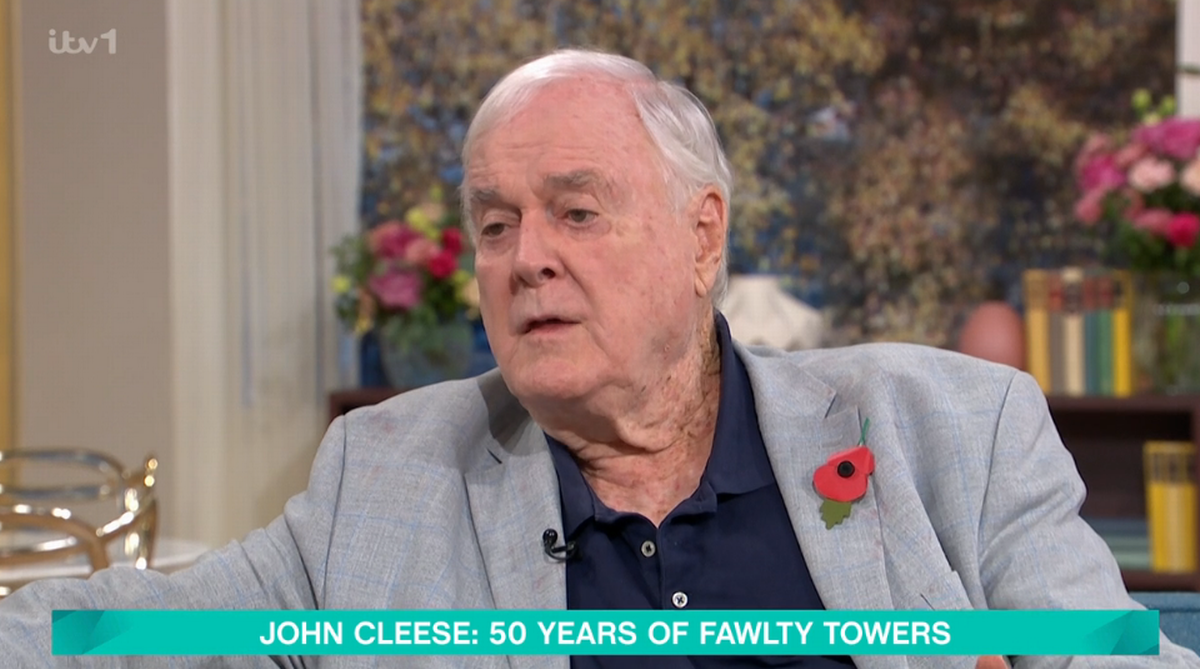 John Cleese called the award “silly”(Image: ITV)Paul Weller
The musical icon graciously turned down a CBE in 2006. A statement from his representative said: “Paul was surprised and flattered but it wasn’t really for him.”
Roald Dahl
The beloved children’s writer, known for magical stories, including Charlie and the Chocolate Factory and James and the Giant Peach, turned down a knighthood in the 1986 New Year’s honours. This emerged via a Telegraph freedom of information request, though his reasons for declining were not revealed.
Bernie Ecclestone
The former head of the Formula One Group, who confessed to fraud over undisclosed assets worth £400m, also declined an honour in the early 2000s. In a 2019 interview, he explained that while he was pleased to have done some good, his primary motivation in business wasn’t to earn accolades, so he didn’t believe he deserved the honour.
Jon Snow
Not the Game of Thrones character, but the face formerly associated with Channel 4 News. He politely declined an OBE in 2000 and delved deeper into the matter two years later with a documentary titled Secrets of the Honours System.
Snow stated: “I tried to find out why I’d been given it and was unable to get a clear answer or, indeed, to find out who had proposed me,”.
Ken Loach
Director Ken Loach, renowned for his hard-hitting films on challenging subjects such as poverty, turned down an OBE in 1977. He explained his reasons to the Radio Times in 2001.
“It’s all the things I think are despicable: patronage, deferring to the monarchy, and the name of the British Empire, which is a monument of exploitation and conquest,” he said. “I turned down the OBE because it’s not a club you want to join when you look at the villains who’ve got it.”
Danny Boyle
Fellow filmmaker Danny Boyle had his own reasons for declining his honour, which was presented to him for his involvement in directing the London 2012 Olympics opening ceremony.
In explaining his decision, Boyle expressed that he believed it “was wrong” for him alone to receive recognition for what was fundamentally a team achievement, emphasising that “it’s not just me” and acknowledging the ceremony represented the dedication and input of countless individuals.
“You can make these speeches about: ‘This is everybody’s work, blah blah blah’. And you’ve got to mean it, and I did mean it, and it is true, and it’s the only way you can carry on something like that: through the efforts of all the people. I don’t know whether I’ll ever get invited back to the palace.”
LS Lowry
The celebrated artist is believed to have turned down more accolades than anyone else in history, including a knighthood, a CBE, and an OBE. According to his friend Harold Riley, Lowry was an intensely private individual who shunned the spotlight and was reluctant to alter his identity, factors which influenced his repeated refusals of such distinctions.
Huw T Edwards
The Welsh trade unionist and Welsh Labour figure felt uneasy about receiving honours and declined a knighthood on no fewer than two separate occasions in later years. He had earlier accepted an MBE before subsequently relinquishing it.
Rudyard Kipling
The author and poet turned down a knighthood in 1899 and once more in 1903. According to his wife, Kipling believed he could “do his work better without it”.
He also refused the Order of Merit in 1921 and 1924. Kipling shared his view on honours and verse in his poem The Last Rhyme of True Thomas.
Honor Blackman
The Bond star, who passed away in 2020, was an outspoken advocate for Republic, the movement calling for an elected head of state in Britain – making her 2002 refusal of a CBE somewhat unsurprising. Blackman also openly criticised fellow Bond actor Sir Sean Connery over his tax arrangements.
“I don’t think you should accept a title from a country and then pay absolutely no tax towards it,” she remarked in 2012. “I don’t think his principles are very high.”
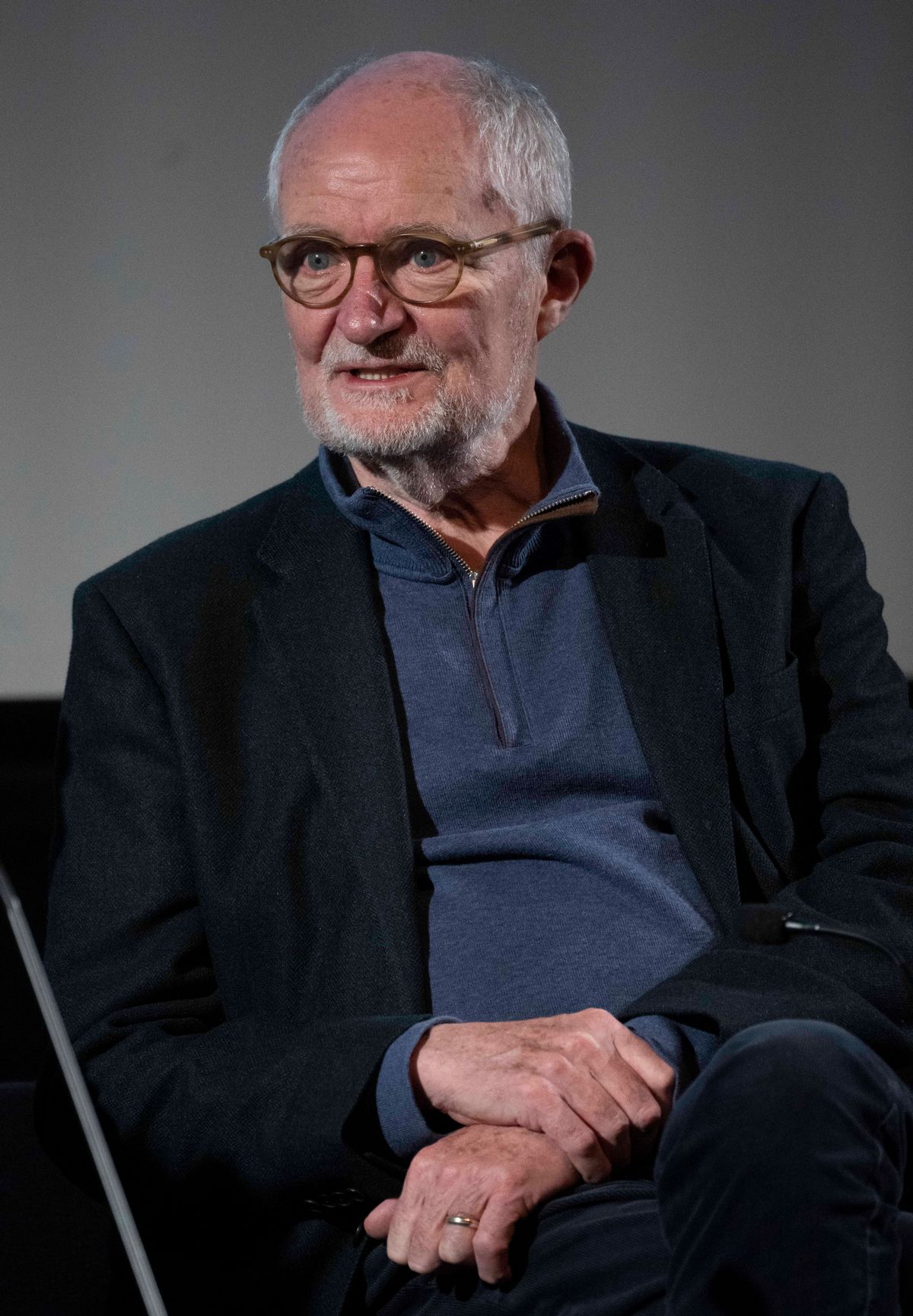 Actor Jim Broadbent turned down the award(Image: 2024 Getty Images)Jim Broadbent
The beloved actor rejected an OBE in 2002, stating he struggled to accept performers receiving Royal recognition. “I think [honours] ought to go to those who really help others,” he told the Telegraph.
“Besides I like the idea of actors not being part of the Establishment. We’re vagabonds and rogues.”
Broadbent also voiced his discomfort with the honours’ implications, sharing: “I don’t think the British Empire is something that I particularly want to celebrate.”
Albert Finney
He turned down both a CBE in 1980 and a knighthood twenty years later. The Bourne star criticised the honours system, calling knighthoods a symptom of sickness that “perpetuates snobbery”.
Andrew Davies
The Welsh screenwriter renowned for House of Cards and his adaptation of Pride and Prejudice is reported to have declined an honour, although his reasons have never been made public.
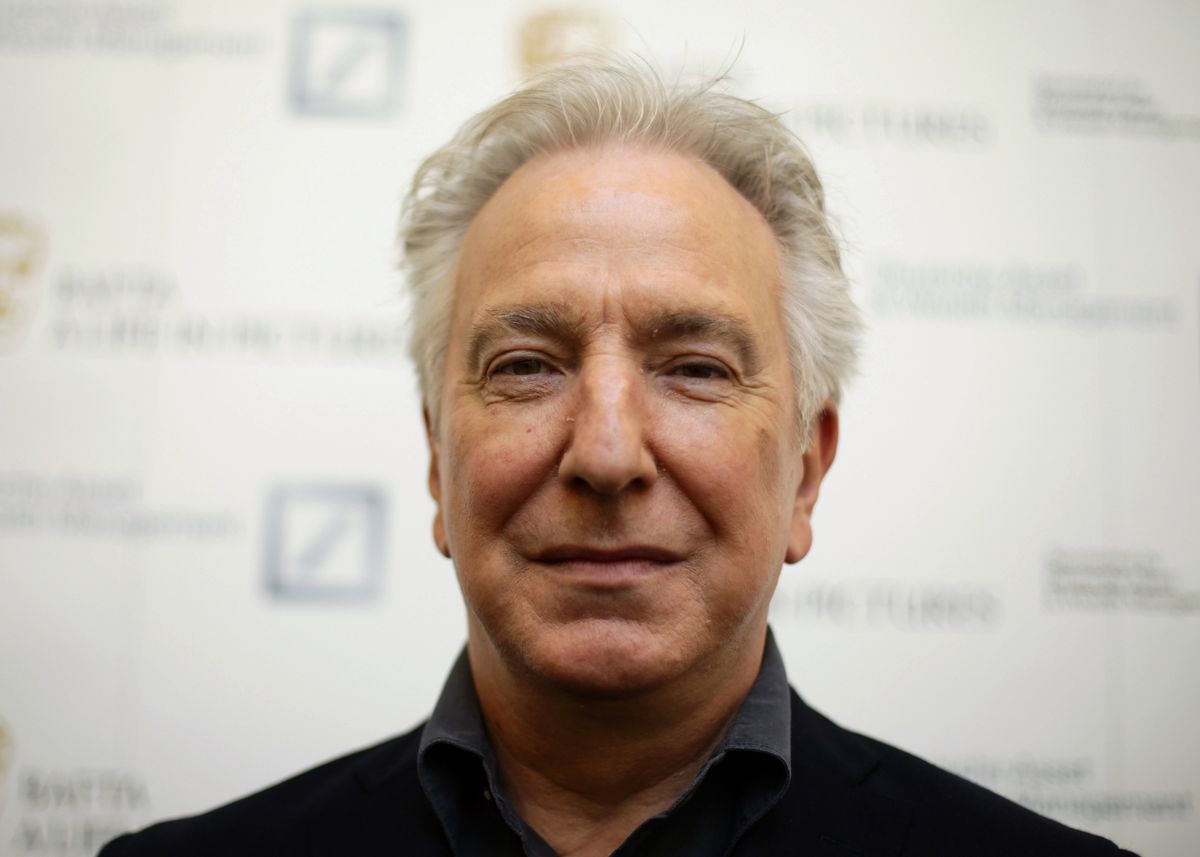 Alan Rickman is thought to have rejected the award before passing away(Image: PA)Alan Rickman
The actor is thought to have turned down a CBE whilst alive. He never explained his decision, and following his passing, there has been a campaign calling for him to receive a posthumous knighthood, though nothing has materialised from this.
John Lydon
Better known as Johnny Rotten, the former Sex Pistols frontman was offered an MBE. Considering the band’s back catalogue, which includes ‘God Save the Queen’, it’s hardly surprising he refused.