
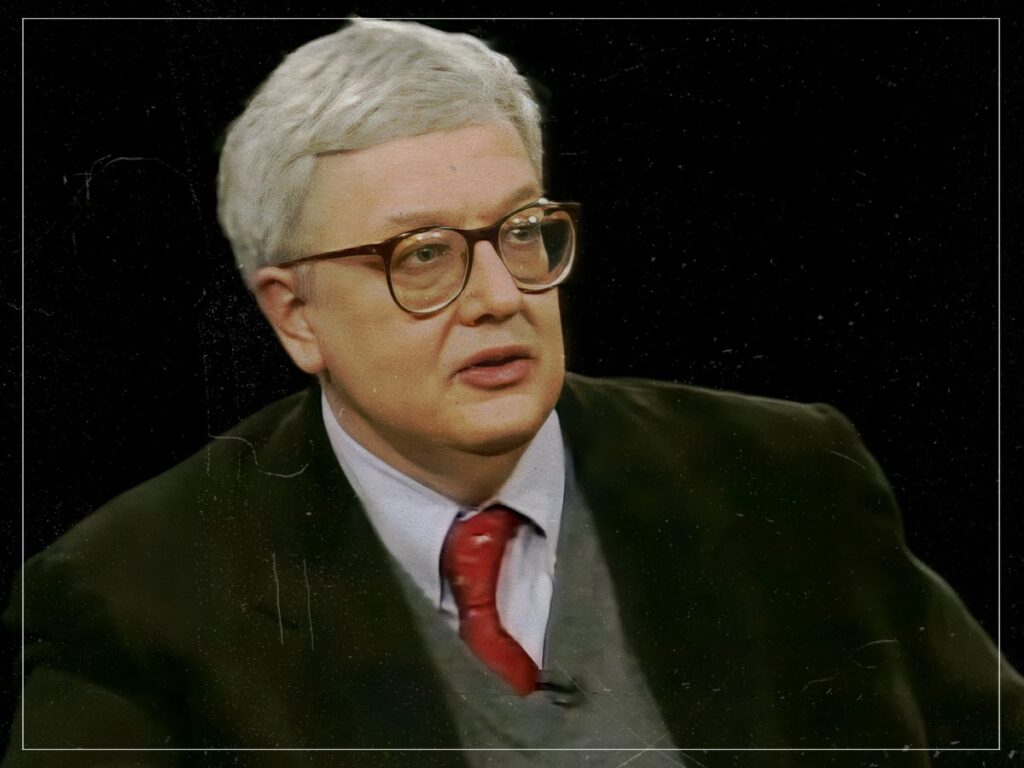
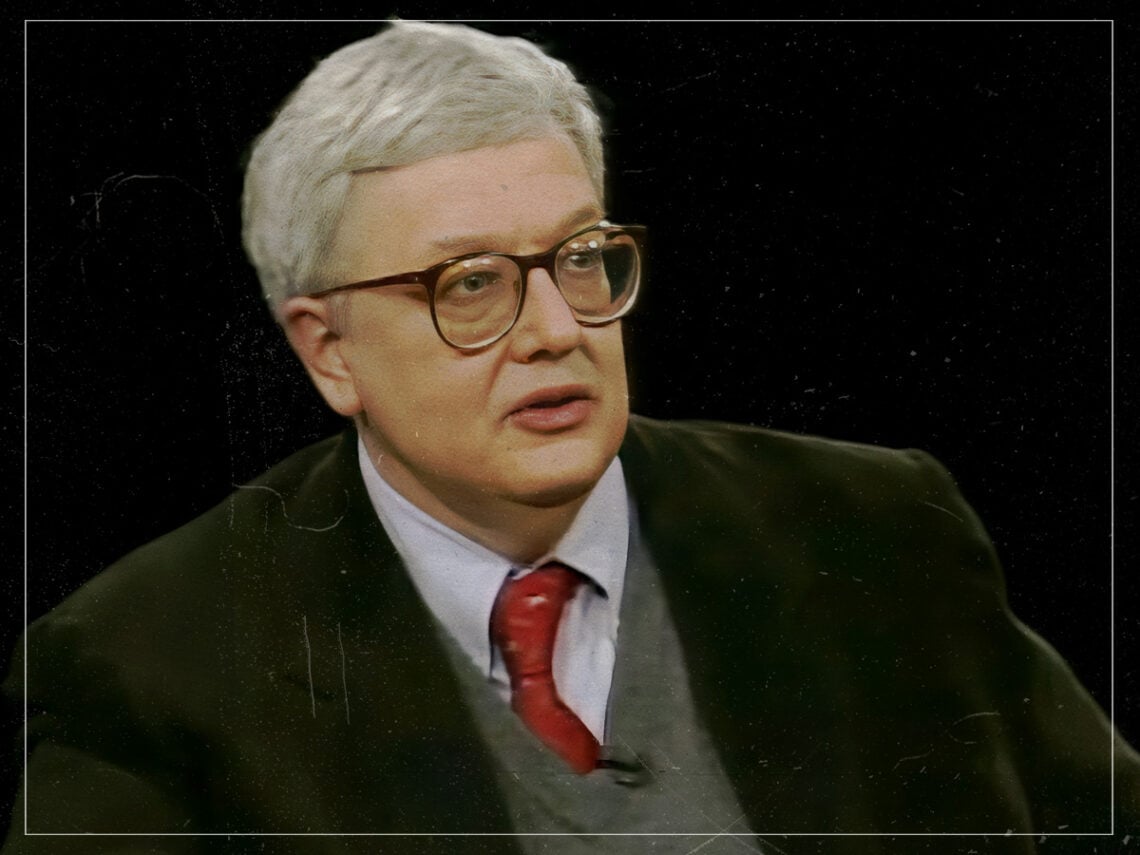
(Credits: Far Out / YouTube Still)
Fri 2 January 2026 17:15, UK
One of Roger Ebert’s greatest strengths as a film critic was his honesty.
While many critics attempt an omniscient approach in which they try to voice a collective opinion rather than a purely subjective one, Ebert was never shy about speaking for himself and himself alone. This was never as true as when he panned a film. When he hated something, he seemed to take it personally.
Because he had a comedic turn of phrase and a mostly generous approach to filmmakers, this unabashed honesty made him an ideal gatekeeper for many movie-goers. There were plenty of films that he hated. He despised John Waters’s Pink Flamingos, for example, and dismissed Dead Poets Society as “A collection of pious platitudes masquerading as a courageous stand in favour of something.”
But you have to look at the more obscure releases to find the gold, or trash, as Ebert saw it, and when it comes to films that he found personally offensive, the one that stands out the most, perhaps, is the 2000 erotic revenge thriller Baise-moi. Directed by Virginie Despentes and Coralie Trinh Thi, the movie follows two women (played by Karen Lancaume and Raffaëla Anderson) who have sex with men and then murder them, and in one scene, they rid themselves of one of their victims by inserting a gun into his anus and firing.
The title translates to “fuck me”, which prompted the London Underground to ban it from being advertised on its premises in case French-speaking tube travellers took offence. Ebert was open-minded enough to entertain the idea that the film was a gloves-off critique of sexism, but he dismissed it based on vibes.
“You recoil from what’s on the screen,” he wrote in his review, and went on to express his bafflement over whether it could be seen as empowering in any way. The thing he couldn’t get over, it seems, was the combination of sex and murder. It’s all well and good for women to go around murdering men on screen, he insisted, but “[a]t some level it seems so … cruel … to shoot a man at his moment of success.”
One of the directors and both lead actors in the movie worked in the porn industry, and some of the sex scenes were unsimulated. The explicitness of these sequences was enough to get Baise-moi banned in multiple countries, including Australia. It did, however, make its way to several film festivals, including Toronto, where it was met with a furore of opinion. Most of them were negative, and it only made $70,000 at the US box office.
Why Ebert chose to review the film at all is perhaps a more intriguing question than why he disliked it so much. There were plenty of other movies to talk about. July of 2001 saw the release of everything from Legally Blonde and Jurassic Park III to Wet Hot American Summer and Planet of the Apes. To quote Shakespeare, when it came to smut, “methinks the [Ebert] doth protest too much.”
The critic had a particular fascination with tawdry movies, and though he might have been disgusted to look at the screen, he didn’t seem to be able to look away, either.
Related Topics