
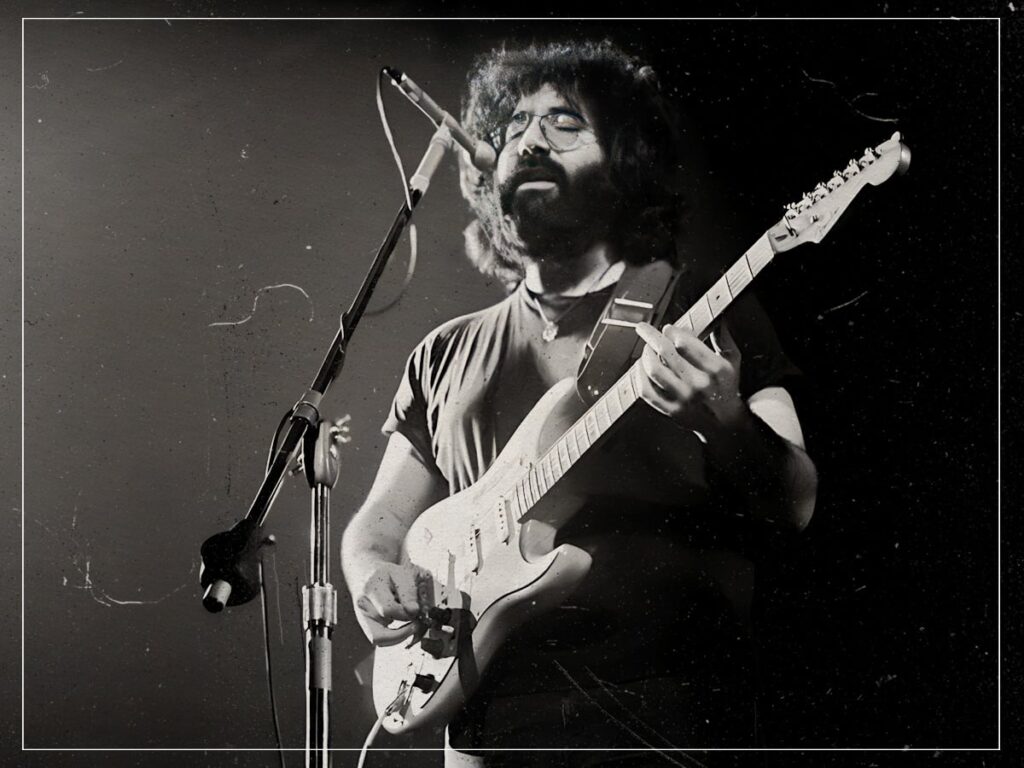
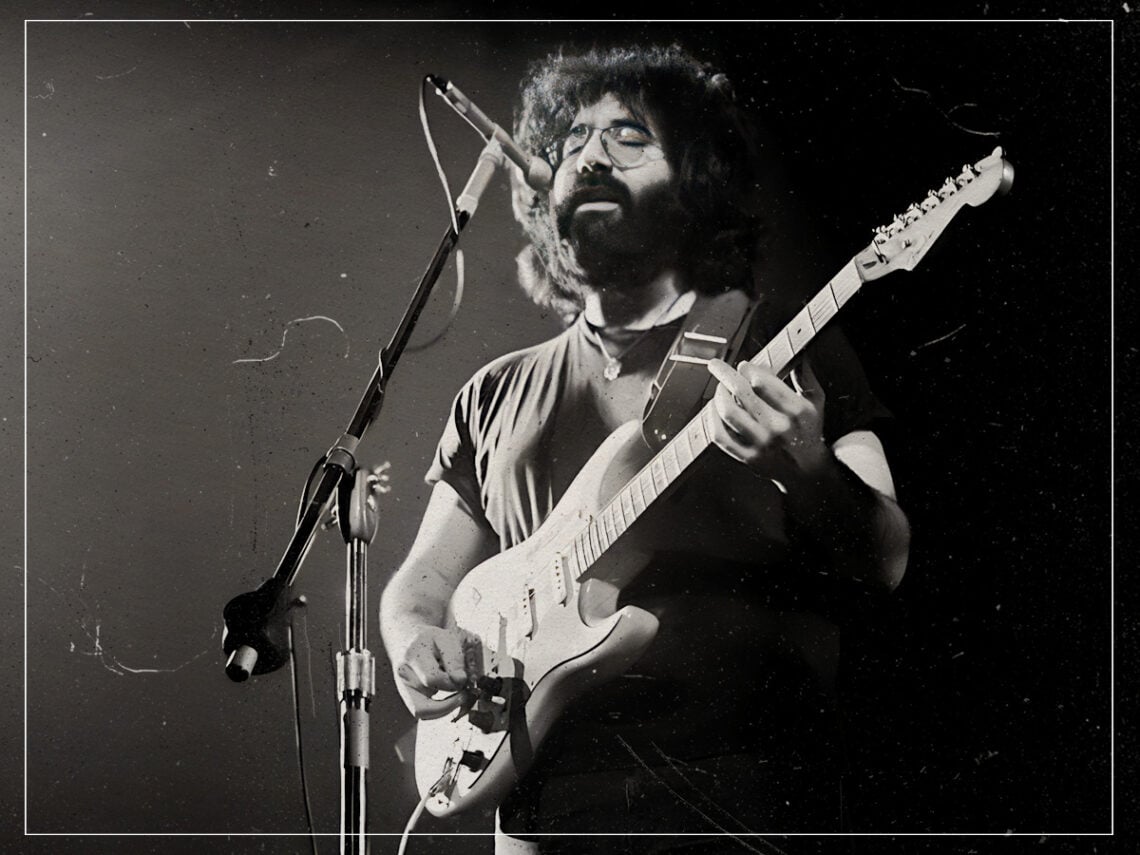
(Credits: Far Out / Alamy)
Sat 3 January 2026 18:20, UK
Some groups rise ot the top on their looks, others on catchy choruses. Grateful Dead built a cult following by subverting every social and musical convention they could think of. It was an explosion of performance and presentable alternatives to rock mainstream that would make them icons.
Having expanded their collective consciousness and established themselves as the leaders of the Bay Area hippie movement, they decided to place particular emphasis on touring. It was with this ethos that they defined their legacy. The band would release albums, but they would etch their names into history with their live shows. They cultivated a crowd that would not only make their shows magentic but would follow them across the country to do so at every single date on the road.
Studio albums, they had come to realise, were just a way for industry executives to make a pretty penny. It came as something of a shock, then, when Andy Garcia and the band realised they’d landed a hit record. This was never in the plan. Success was in the subversion, not in the sales.
The track would become a contentious moment for the band’s fans, and it turns out, the band’s leader, too. It was, of course, ‘Touch of Grey’.
The Grateful Dead were not known for releasing hits. By the time ‘Touch of Grey’ came along, their highest-ranking single was 1971’s ‘Truckin’, and even that only rose to number 64 on the Billboard Hot 100. Obviously, avoiding chart success and the commercial obligations that came with it was sort of the whole point.
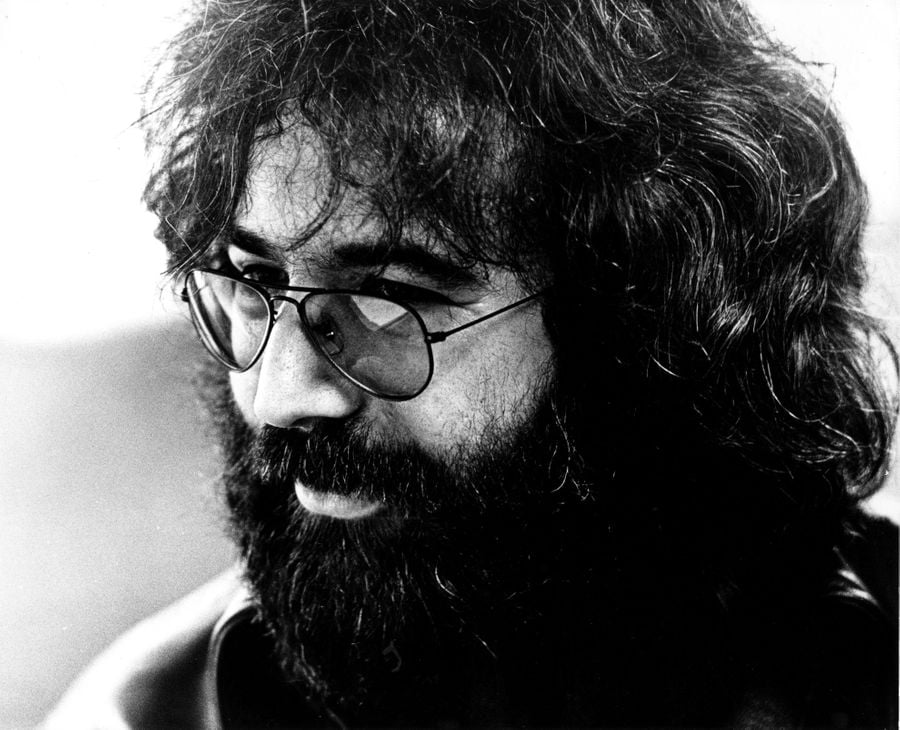 The anti-mainstream maestro, Jerry Garcia (Credit: Alamy)
The 1987 single is undoubtedly one of the band’s best numbers and is widely known for the iconic refrain “I will get by / I will survive” which is just an insight into the dark lyrics which belie the sounds and sonic landscape that the band create. The joy of those lyrics is the juxtaposition they enjoy being balanced by the upbeat pop sound. With music composed by Jerry Garcia, the single remains one of the band’s few moments swimming in the mainstream. Not their favourite place to be.
The song gained major airplay on MTV and saw the band’s notoriety grow once more within a new generation. Speaking to Esquire, Dennis McNally, the Grateful Dead’s publicist, recalled breaking the news to the musicians backstage one night at Madison Square Garden. “I said, ‘I have some imposing news to tell you’. “And they sort of looked up at me, and I said, ‘You’ve made the Top 10’.” Guitarist Jerry Garcia took a moment. “I am appalled,” he said. According to McNally, “he was only somewhat joking.”
Depending on what kind of Grateful Dead fan you talk to, ‘Touch of Grey’ is either one of the band’s greatest achievements or evidence of where it all went wrong. McNally falls into the latter camp. For him, ‘Touch of Grey’ was the “song that almost killed the Grateful Dead.” Why? Well, because it did what hit singles always do: it made the band enormously popular.
On release in 1987, it soared to the top of the charts, where it sat alongside the likes of Whitesnake, Whitney Houston and Bananarama. Suddenly, the Dead were on the cover of Rolling Stone with a headline declaring a “New Dawn of the Grateful Dead.” MTV ran a whole day’s programming on the band, and the queues outside the band’s stadium shows only got longer.
Suddenly, the Grateful Dead were at the centre of a media feeding frenzy, with journalists finding more than enough to report in the mile-long queues for the band’s shows, what with their fans being such a colourful breed.
This quickly became a problem as Deadheads tended to be nomadic, driving to shows in VW campervans. The band’s new popularity made it impossible for everyone to use the parking lot, so they ended up parking down the road, overwhelming the area outside the stadium. It would become a serial problem as they beleaguered the favourite bit about the Dead: the touring.
The sheer number of fans made The Dead very unpopular with local services, and venues started electing not to book them. Such logistical complexities would haunt the Dead until Jerry Garcia’s death in 1995. McNally echoes the sentiment of many when he says: “Thank God Built to Last, which was the next and last studio album, was not a big success.”
Related Topics