
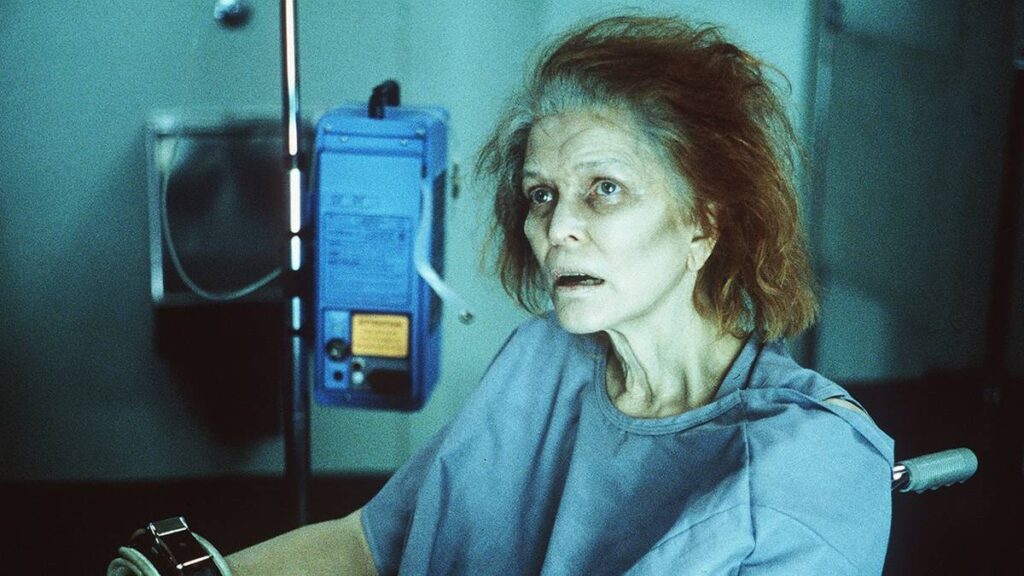
Movies got pretty intense in the 2000s. While there were still plenty of family-friendly and heartwarming efforts filling theaters throughout the decade, many films across all genres had an edge to them. Some of it certainly came in response to 9/11 and the ongoing Iraq War, with both filmmakers and general audiences becoming so desensitized to everyday violence intruding on their televisions that the movies had to correspondingly escalate their content.
Raunchy, R-rated comedies made a big comeback, as did political thrillers that took a nihilistic look at international affairs, but more than that, filmmakers from across the world took violent content to its absolute extremes in horror films, revenge thrillers, and hard-hitting action movies. Bones crunched, tendons snapped, and limbs got lopped off in the most intense movies of the 2000s. There was blood, sweat and tears all across the silver screen, but never with more intensity than in these ten films.
10
‘Ong-Bak’ (2003)
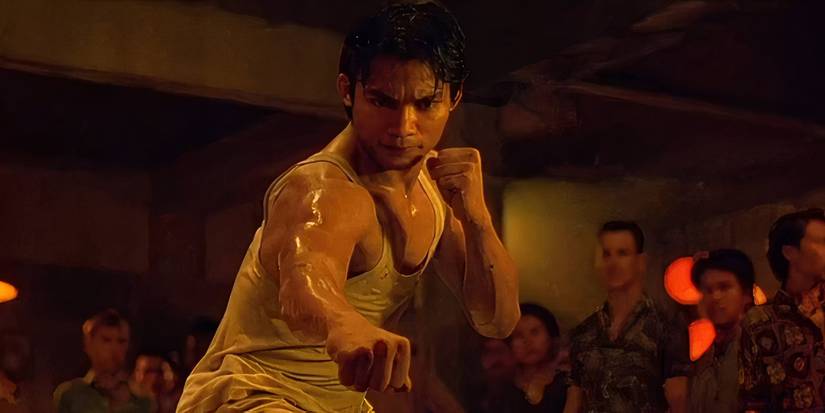
Tony Jaa striking a martial arts pose in ‘Ong-Bak’Image via EuropaCorp
Though brutally intense action movies would experience their real renaissance in the 2010s, they had some major forebears in the 2000s. The Crank movies took glee in pushing the boundaries of good taste, while Zack Snyder cranked up the slow-motion for some blood-soaked sword-and-sandals warfare in 300. On the martial arts end of things, Jet Li got Unleashed, Uma Thurman set out to Kill Bill, and Tony Jaa got his Thai warrior on in Ong-Bak. Hearkening back to masters of the genre like Jackie Chan by proudly proclaiming all of its stunts were performed for real without CGI enhancement or with wirework, Ong-Bak also upped the ante with its fight scenes, thanks to its emphasis on Muay Thai fighting.
Focusing heavily on strikes, with elbows and knees featuring prominently, this martial arts form was introduced to the world at large thanks to star Jaa’s proficiency with it onscreen, where he repeatedly fells foes with some serious head blows. Playing a villager who travels to Bangkok in order to retrieve the stolen head of a sacred statue, Jaa finds himself up against dangerous drug lords, biker gangs and underground fighting rings, all of whom he deals with in the same skull-cracking fashion.
9
‘Narc’ (2002)
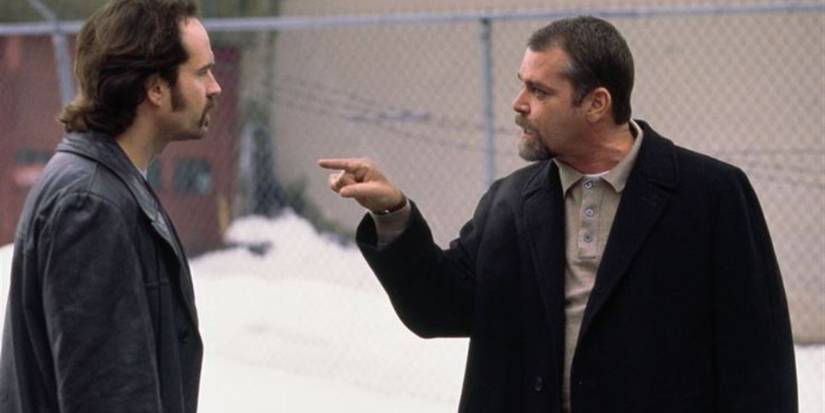
Image via Paramount Pictures
Joe Carnahan’s Narc is a throwback to gritty cop dramas like The French Connection and Prince of the City, but with a nerve-jangling update to its aesthetic that fits right into the 2000s rapid-cutting, music video aesthetic. It also begins with a chase scene that is a pure shot of adrenaline that shocks the audience into paying attention. Jason Patric plays an undercover Detroit cop, hot on the heels of a drug dealer in a foot race that cuts through a crowded playground and ends with a pregnant woman taking a stray bullet.
It’s a visceral beginning to a film that continues to hit hard with raw drama and brutality. Patric is a frayed wire to Ray Liotta’s live one as a career cop who has no qualms about crossing boundaries or violating rights to get the job done. Narc is an intense two-hander that put Carnahan on the Hollywood fast track and represents some of the most electric work of its two stars. It’s all one hell of a ride, but nothing is quite as intense as those opening few minutes.
8
‘City of God’ (2002)
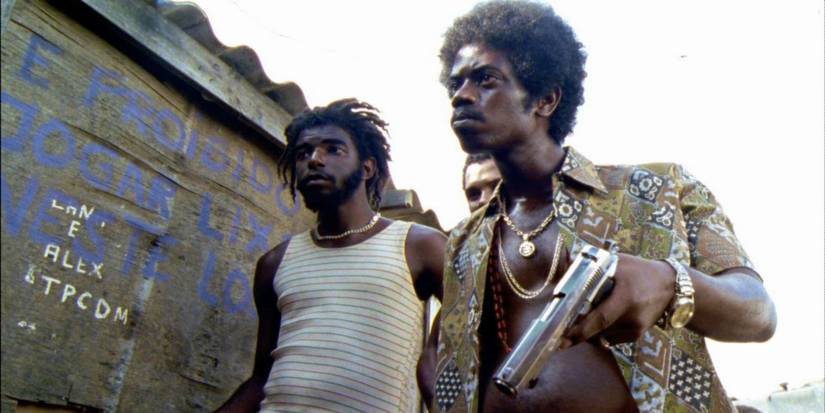
Two Black men with guns in City of God – 2002Image via Miramax Films
Fernando Meirelles’ gangster epic City of God, set in the titular neighborhood of Rio de Janeiro, similarly to Narc, adopts a frenetic visual style to tell its story, which made it stand out in stark comparison to the more staid crime epics that came before it. Just as Martin Scorsese had evolved visual storytelling for Goodfellas, Meirelles’ film represents the next evolutionary step for the genre. It’s a vibrant blast of sensory overload that puts audiences up close and personal with the gang violence perpetrated by its most volatile characters.
Taking place across three decades and chronicling the rise of organized crime, City of God hits the ground running and zigs and zags across its timeline with breathless intensity. The energy never once flags across the film’s two-hour-plus runtime, and its visuals always serve a purpose of engaging the audience in its often off-putting subject matter. Like the best crime dramas ever made, City of God is compelling and entertaining while also shocking and intense.
7
‘Mysterious Skin’ (2004)
Never one to shy away from sensitive subject matter, Gregg Araki’s Mysterious Skin, based on Scott Heim’s novel, dives headfirst into tackling the long-term effects of childhood sexual abuse in an unflinching and unsanitized manner. It’s a difficult film to enthusiastically recommend or experience, putting it in a class with other hard-to-watch dramas like Happiness or L.I.E. It follows two young boys from their fateful encounter of abuse at the hands of their Little League coach into young adulthood, where they each deal with their trauma in vastly different ways.
Neil, played by Joseph Gordon-Levitt, becomes a sex worker with an affinity for older men, while Brian, played by future director Brady Corbet, has repressed the memory into a belief that he was abducted by aliens. It’s an incredibly nuanced portrayal of trauma, and one that many psychologists applauded for its authenticity, but that doesn’t make it any less of a difficult and harrowing viewing experience.
6
‘Requiem for a Dream’ (2000)
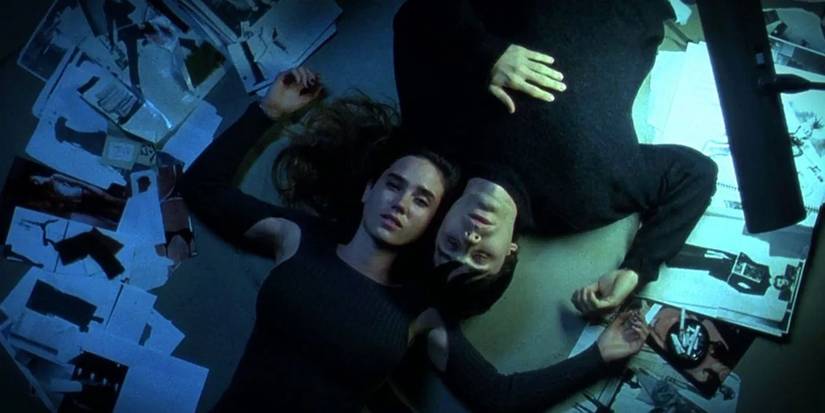
Marion (left), played by Jennifer Connolly, lies on the ground with Harry (right), played by jared Leto laying upside-down next to her. They are surrounded by discarded photos on the floorImage via Artisan Entertainment
Addiction has never been more visually arresting than in Darren Aronofsky’s intense adaptation of Hubert Selby Jr.’s novel Requiem for a Dream, which follows four characters’ descent into darkness through drugs. Through a variety of discombobulating visual techniques, Aronofsky jacks the audience directly into the experiences of the characters, giving them a front-row seat to the visceral and often violent experience of drug use and its repercussions.
Requiem for a Dream is an all-out assault on the senses that leaves the viewer in a daze from its intense visuals. Jared Leto, Marlon Wayans, and Jennifer Connelly play a trio of heroine dealers whose aspirations for better lives are impeded by their addiction and risk-taking, which leads them down a road that terminates in hospitalization, incarceration and sexual exploitation. Meanwhile, Ellen Burstyn, in a bravura performance, plays Leto’s mother, who becomes addicted to appetite suppressants in anticipation of an appearance on her favorite game show, which causes her mind to hallucinate while her body wastes away.
5
‘Oldboy’ (2003)
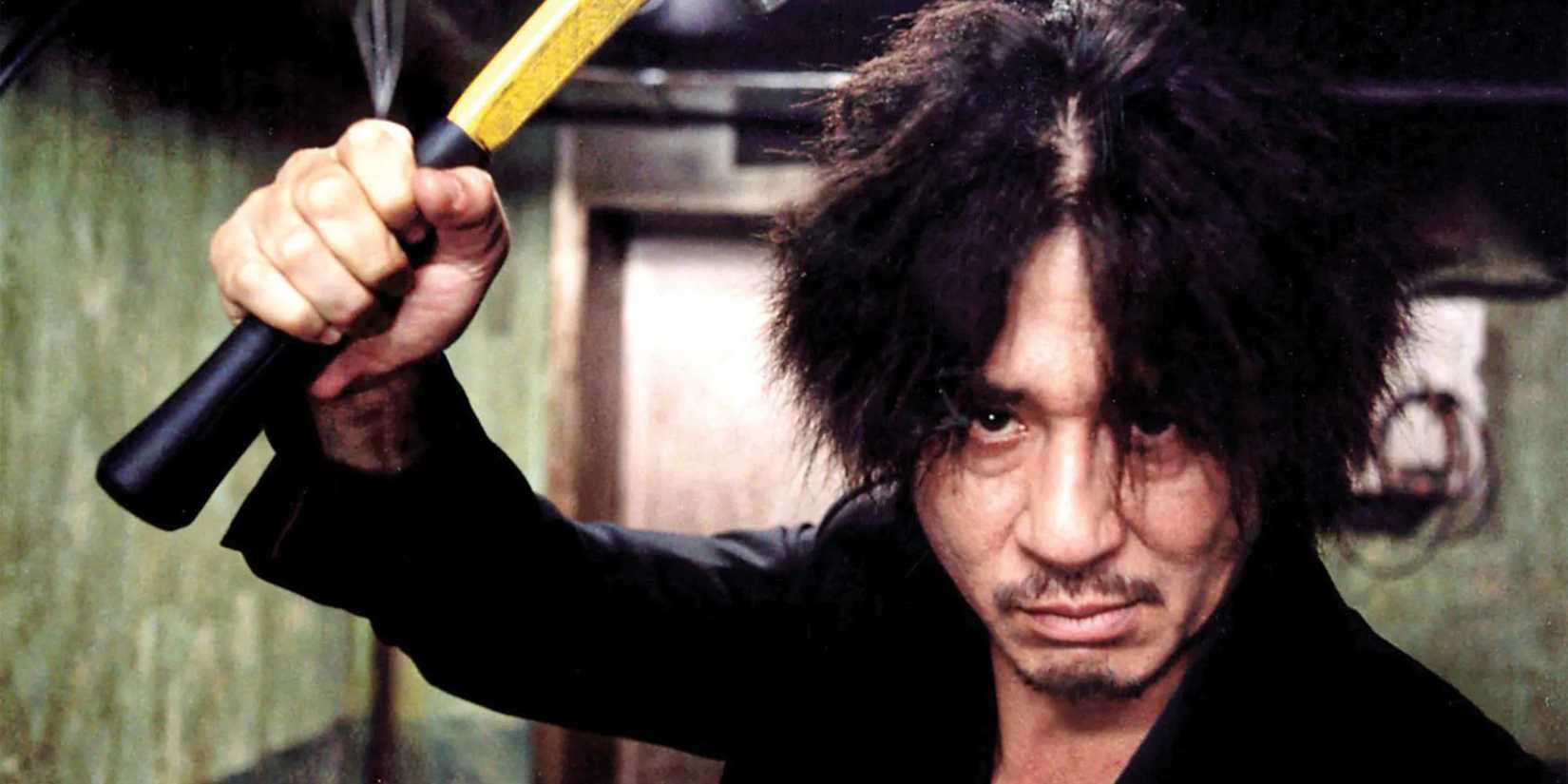
Cho Min-sik as Dae-su Oh holding a weapon in Oldboy.Image via Show East
Park Chan-wook’s Oldboy is an unconventional revenge thriller with violent action, twisted imagery, and an Oedipal nightmare of an ending. It adapts the manga by Garon Tsuchiya but makes some very pivotal changes to its plot, including the now-iconic twist ending that turns it from a haunting mystery into a stomach-churning thriller. Protagonist Oh Dae-su is imprisoned for fifteen years in a windowless room by a captor whose identity is never revealed and whose reasoning is never offered. After his release, he cuts a path of vengeance to uncover the truth, but with every layer of mystery he peels back, a new unsettling revelation is made.
Oldboy’s cult reputation generally hinges on two unforgettable and intense sequences. The first is a single-take fight scene down a corridor where Oh Dae-su takes on a gang of attackers in a brutal and messy fashion that makes most over-choreographed Hollywood fight scenes look tame in comparison. The second is its twist ending, where the reasons for Oh Dae-su’s imprisonment, as well as the horrific truths of what he has been manipulated into doing since his release, are revealed. It’s a gut-punch of a finale that is impossible to forget.
4
‘Antichrist’ (2009)
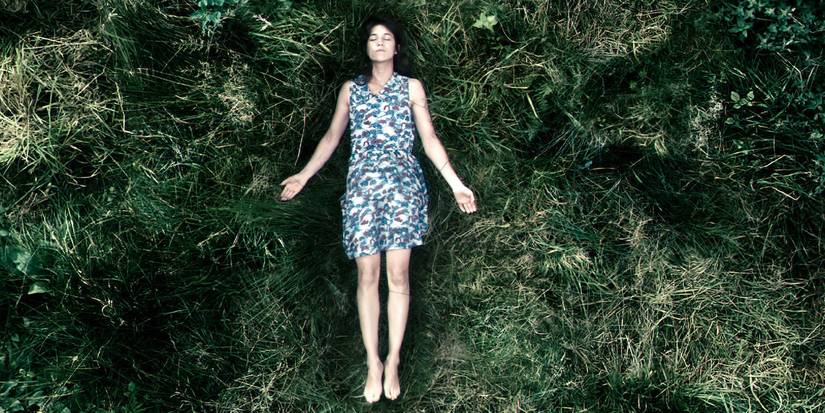
Charlotte Gainsbourg in AntichristImage via IFC Films
Lars von Trier has never been a filmmaker to shy away from extreme subject matter, whether it’s in the sexually explicit Nymphomaniac or the unflinching cruelty of The House That Jack Built. That all manifests in his controversial 2009 horror film Antichrist, which is an intense exploration of grief and depression filled with violent psychosexual imagery. Willem Dafoe and Charlotte Gainsbourg play a husband and wife who retreat to a remote cabin in the woods after the death of their young son, where they experience surreal occurrences of nature and loosen their grip on their sanity.
Featuring gruesome depictions of animal violence and genital mutilation, Antichrist requires a strong stomach to endure, and even then, its bleak tone and symbolism won’t be for every viewer, as evidenced by its divisive critical reception. There’s no denying its raw power and visceral effect, though, and for those viewers in search of something thought-provoking, Antichrist is a surreal trip.
3
‘Martyrs’ (2008)
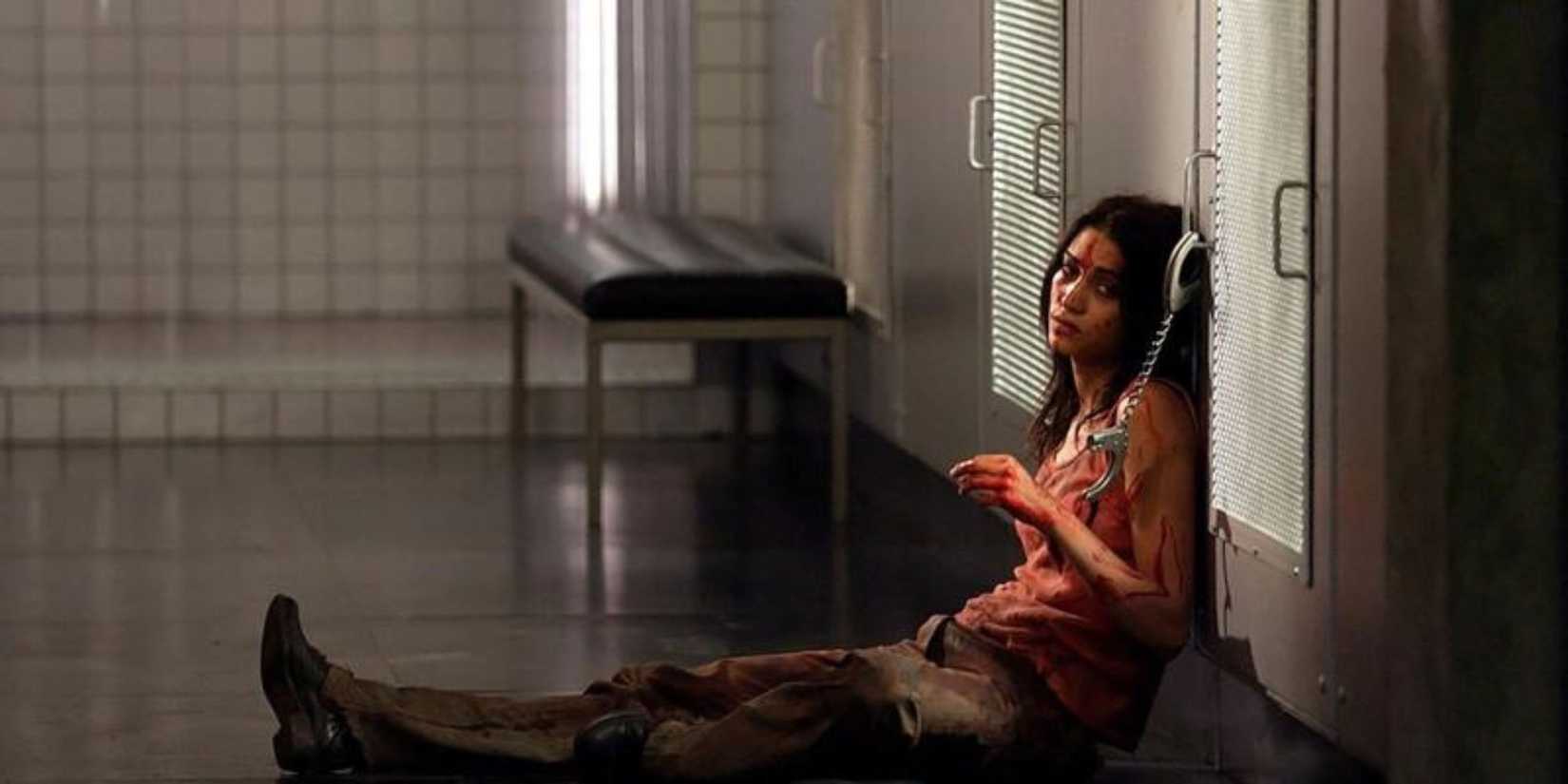
A distressed woman covered in blood while chained to a handle in Martyrs.Image via Wild Bunch
Horror in the 2000s was decidedly more intense than the genre had ever been before, thanks to practical effects that could produce gore in a more realistic fashion than had been previously realized, as well as a new generation of filmmakers interested in pushing boundaries. This led to the rise of the much derided “torture porn” subgenre, characterized by franchises like Saw, as well as the even more graphic New French Extremity movement, which was exclusive to horror films but tangentially related to it through the extreme content and films like Martyrs.
Following two survivors of abuse as they enact vengeance upon the group responsible for one of their torments, Martyrs is maximally violent, with horrific depictions of torture and self-harm depicted throughout. It can have an almost desensitizing effect, but it is undeniably unnerving. The film was naturally controversial and divisive upon its release, as were all the films of the New French Extremity movement, but it continues to rank among the most disturbing horror films ever made.
2
‘Irréversible’ (2002)
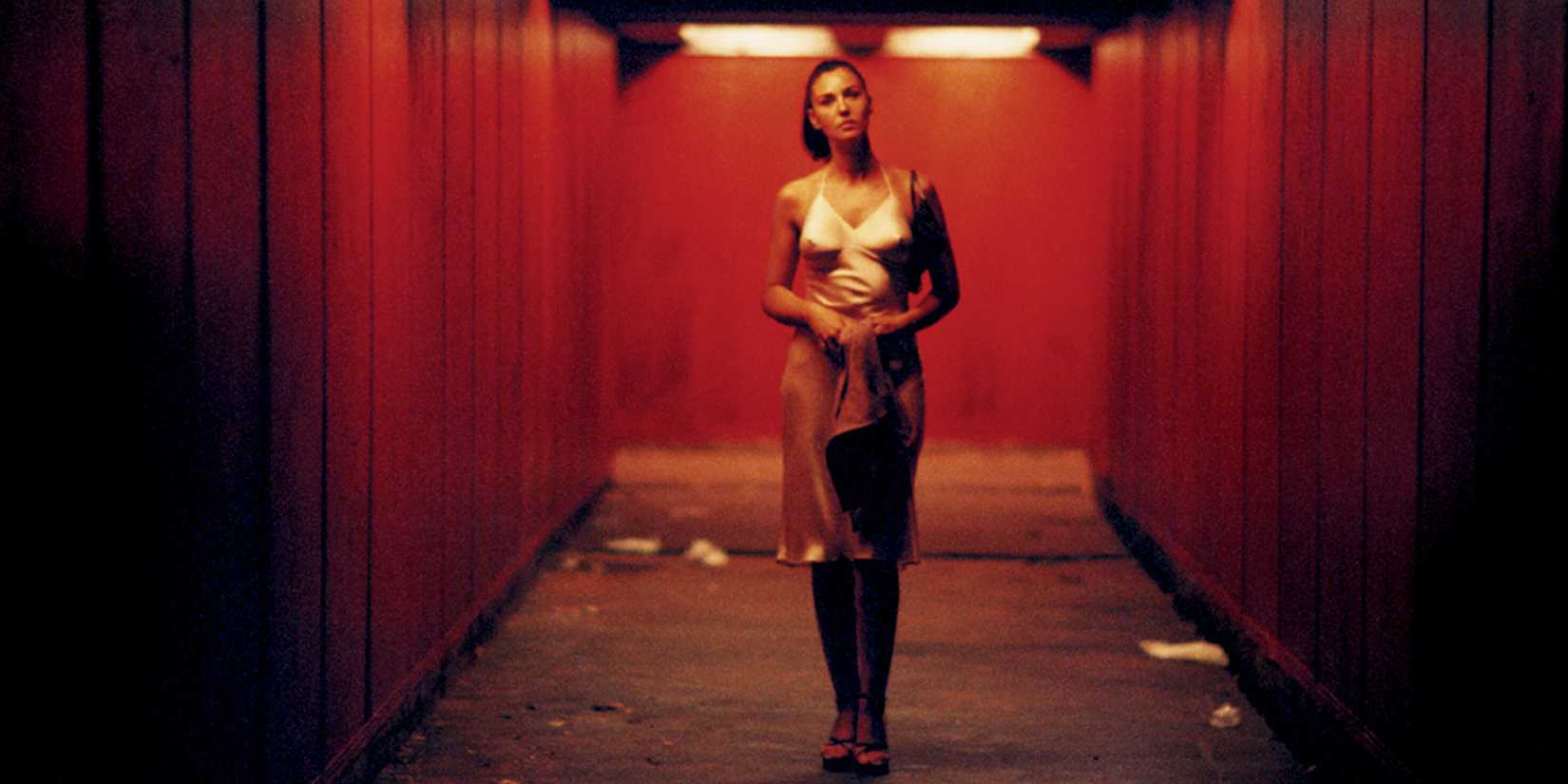
Monica Bellucci as Alex, wearing a white dress and walking down a dimly lit tunnel in IrréversibleImage via Mars Distribution
Irréversible is another film associated with the New French Extremity movement, this one a rape-and-revenge thriller notable for being told in reverse chronological order, frontloading the violence that usually serves as the climax for the subgenre and forcing the audience to confront that violence without any provided context. It also results in the film having a softer ending that is no less disconcerting, thanks to the long-lingering violent images that have preceded it.
The film comes from provocateur Gaspar Noé, known for his assaulting imagery. That is certainly what one experiences in Irréversible, which uses long takes that offer the viewer no reprieve from the brutality onscreen. The film’s audio also employs the use of a low-frequency sound to induce nausea and anxiety. It’s a visually and aurally repellent experience that does not encourage repeat viewings and which incensed many viewers and critics with its perceived homophobia and misogyny, particularly in the extended scene of sexual assault that pushes beyond the limits of endurance.
1
‘Ichi the Killer’ (2001)
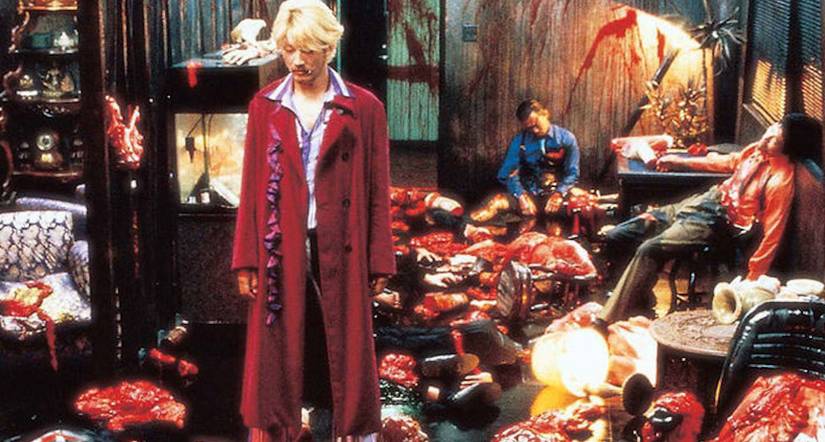
Tadanobu Asano in Ichi the KillerImage Via Media Blasters
Leave it to director Takashi Miike to deliver the most intense film of the 2000s, with the bodily fluid-soaked gonzo yakuza splatter film Ichi the Killer, which takes such perverse glee in depicting its violent imagery that it becomes borderline comedic. It follows the titular Ichi, a psychologically damaged man whose penchant for violence is intrinsically tied to his sexual arousal, who is framed for the murder of a yakuza boss, setting off a chain of increasingly gory events.
Based on the manga of the same name by Hideo Yamamoto, the film reaches new levels of absurdity in its kinetic depictions of the unending cycle of violence. More audacious than Miike’s thriller Audition and more violent than the collective blood spilled in his Dead or Alive trilogy, Ichi the Killer is a wild ride of a movie that was banned in several countries, and is still one of the most intense pieces of entertainment of the 21st century.