
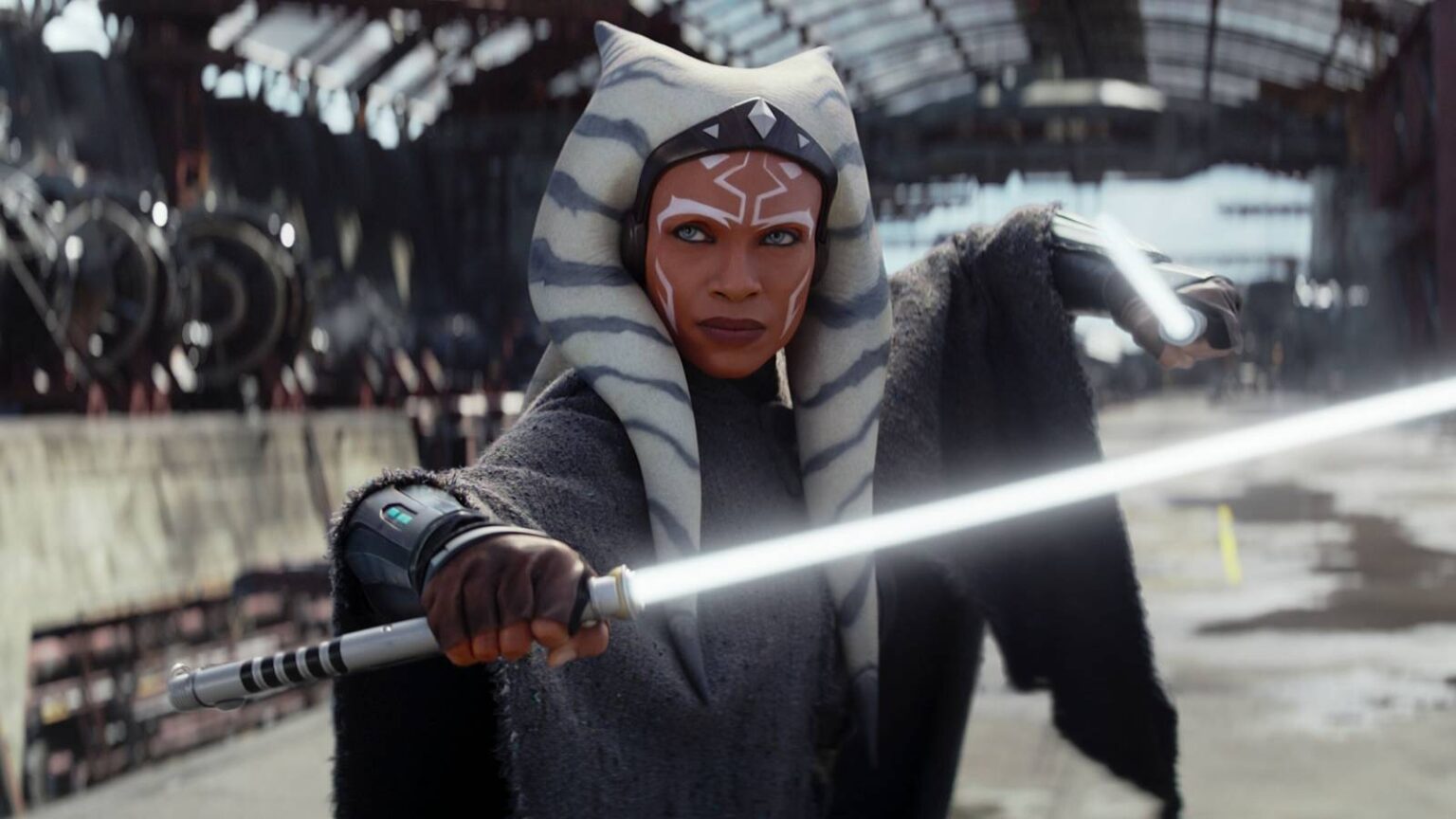
2026 is set to be a great year for Star Wars fans, but it’ll also be a sort of somber farewell tour for one of the franchise’s most pivotal eras. Disney’s various additions to the beloved space opera haven’t all been successful since acquiring Lucasfilm in 2012. That said, most fans have found something to enjoy. Regardless, Star Wars’ upcoming change in direction means 2026 should be savored rather than wished away in desire of a return to franchise traditions.
While Star Wars’ flagship release for 2026 is undoubtedly The Mandalorian and Grogu, which is slated for a May 22 premiere, there are other exciting projects also set to drop this year. Ahsoka Season 2 is expected to land in the latter half of 2026, and Star Wars: Maul – Shadow Lord is also a heavily anticipated project in the months to come. When The Ninth Jedi is considered, the exciting Star Wars: Visions spinoff, then the thrill of 2026 becomes even more impossible to deny for the saga’s devoted following. Still, there is a certain sadness lingering in the air.
2026 Is the Beginning of the End for Disney’s Focus on ‘Star Wars’ TV Shows
The mixed reception of Disney’s Star Wars trilogy started in motion a decline in the franchise’s reputation when it came to feature-length offerings. While the movies were wildly profitable, they generally received far more criticism than they did praise. 2016’s Rogue One did repair some of the damage, but 2018’s Solo was boycotted by the fan base in an attempt to make their displeasure with 2017’s The Last Jedi known. Since the sequel trilogy ended in 2019 with The Rise of Skywalker, which also had a concerning number of faults, Star Wars has steered clear of the big screen.
Instead, the focus has been turned to creating more original Star Wars content for Disney+. The debut of The Mandalorian in the same year as The Rise of Skywalker’s premiere meant Star Wars found itself between release strategies. The franchise could either continue trying to reclaim its big-screen reputation or the success of The Mandalorian could be learned from and used as a blueprint. The latter route was chosen, and Star Wars has quietly become a TV property. It’s now been that way for over half a decade.
There have been points in recent years when it has felt like a new Star Wars show has been landing on Disney+ on a weekly basis. This obviously hasn’t been the case, but the number of new stories set within the Star Wars universe has been impressive, and most of them have been very good. However, 2026’s release schedule looks very different for the coming year as Star Wars starts to ramp down its Disney+ content. Instead, the franchise is gearing up for its big-screen comeback.
This transition couldn’t be more perfectly represented than it is by The Mandalorian and Grogu. The upcoming movie is expected to be what is essentially a feature-length episode of the Disney+ show that rescued Star Wars from the brink of irrelevance in 2019. So, it has a foot in Star Wars’ movie camp, and one in its TV camp. The Disney+ projects for the year are either continuations or spinoffs of existing Star Wars shows, and almost all of them are animated. The Ninth Jedi isn’t even part of the main canon. The move away from live-action suggests that the medium is now being reserved for upcoming big-screen projects, such as 2027’s Star Wars: Starfighter and Star Wars: New Jedi Order.
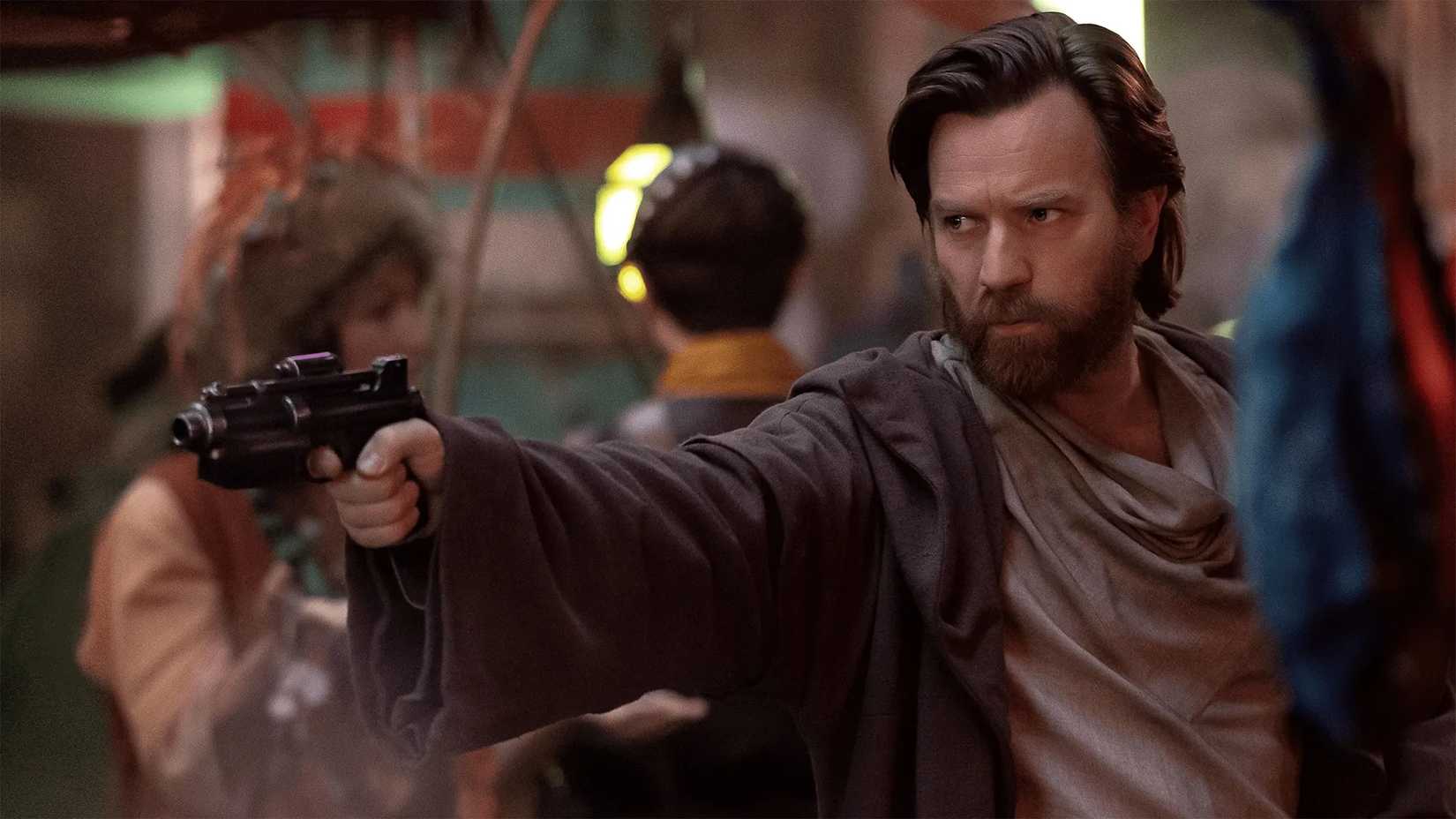
The Disney+ ‘Star Wars’ Shows Have Been Vital to Eventually Making More Movies
Disney+
Star Wars movies have always been way ahead of their time, with the original trilogy especially using innovative filmmaking techniques and technologies. The franchise’s feature-length installments, historically, are what have always defined Star Wars. Even the Disney+ shows have mimicked the movies’ immensely cinematic nature, because they’ve long been visual spectacles paired with compelling storytelling. Although Disney struggled to find its footing with the sequel trilogy, Rogue One and Solo proved that Star Wars’ new owners were quickly figuring it out. The shift to TV shows was still a necessity, though.
Making so much content for Disney+ has allowed Star Wars to experiment with various story formats. The strategy has also allowed the writers to bring back existing icons, as well as try out brand-new characters. If this trial-and-error approach had taken place on the big screen, then Star Wars risked digging itself a bigger and bigger hole. The Disney+ failures have certainly been loudly discussed by fans, but the disgruntled voices would likely have been deafening if they were talking about a string of underwhelming movies instead.
Now that Disney has managed to boil down what’s been successful in its Star Wars TV shows, it has everything it needs for what should be a triumphant return to cinemas in 2026 and beyond. At the same time, Disney+ doesn’t look like it’s going to be completely void of new Star Wars content going forward. As one of the core sections of the streaming service, it makes sense that Disney+ will continue to receive fresh shows as well as eventually host the new movies. It might just be far less of the constant Star Wars avalanche to which fans have become accustomed.