
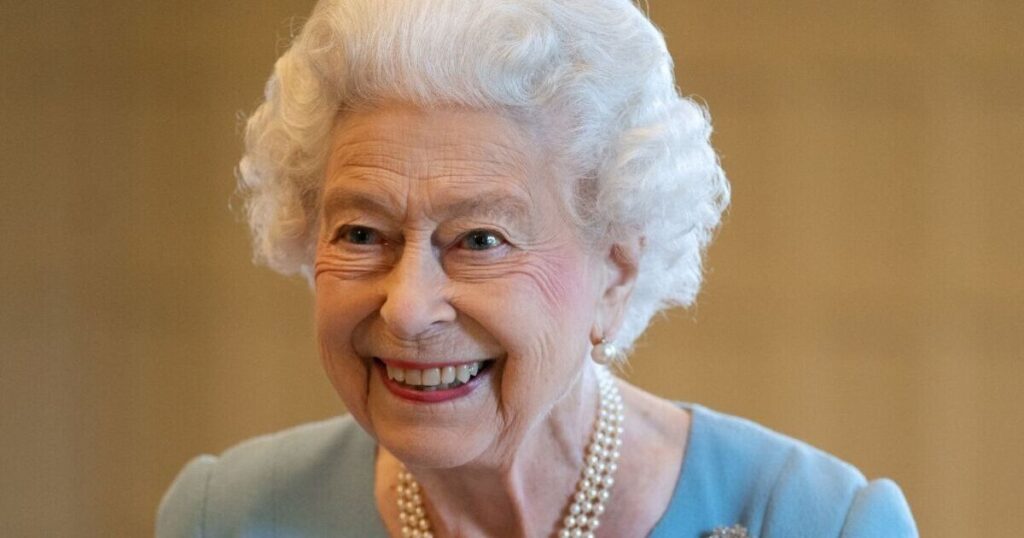
She was Britain’s longest-reigning monarch with the most recognisable face on Earth. But the late Queen Elizabeth II’s impact extended to her sartorial style and the iconic outfits she wore. Which is why this spring, to celebrate 100 years since her birth, Buckingham Palace is staging a rare exhibition to chart the fashion legacy of the late monarch throughout every decade of her life.
Opening at the King’s Gallery on April 10, Queen Elizabeth II: Her Life in Style will display 200 rarely seen outfits, jewellery and accessories – some for the first time. The showcase will celebrate her fashion legacy and influence on leading British designers, including Erdem Moralioglu, Richard Quinn and Christopher Kane – all of whom are set to contribute their reflections on Her late Majesty’s fashion legacy in the official centenary publication, Queen Elizabeth II: Fashion and Style.
Here, exhibition curator Caroline de Guitaut reveals her fashion highlights and what they reveal about the late monarch.
Queen Elizabeth II: Her Life in Style is at the King’s Gallery, Buckingham Palace, from April 10 to October 18, 2026, £22 adults, 18-24yrs £14, 5-7yrs £11, under 5s go free; concessions available; visit rct/collection/exhibitions
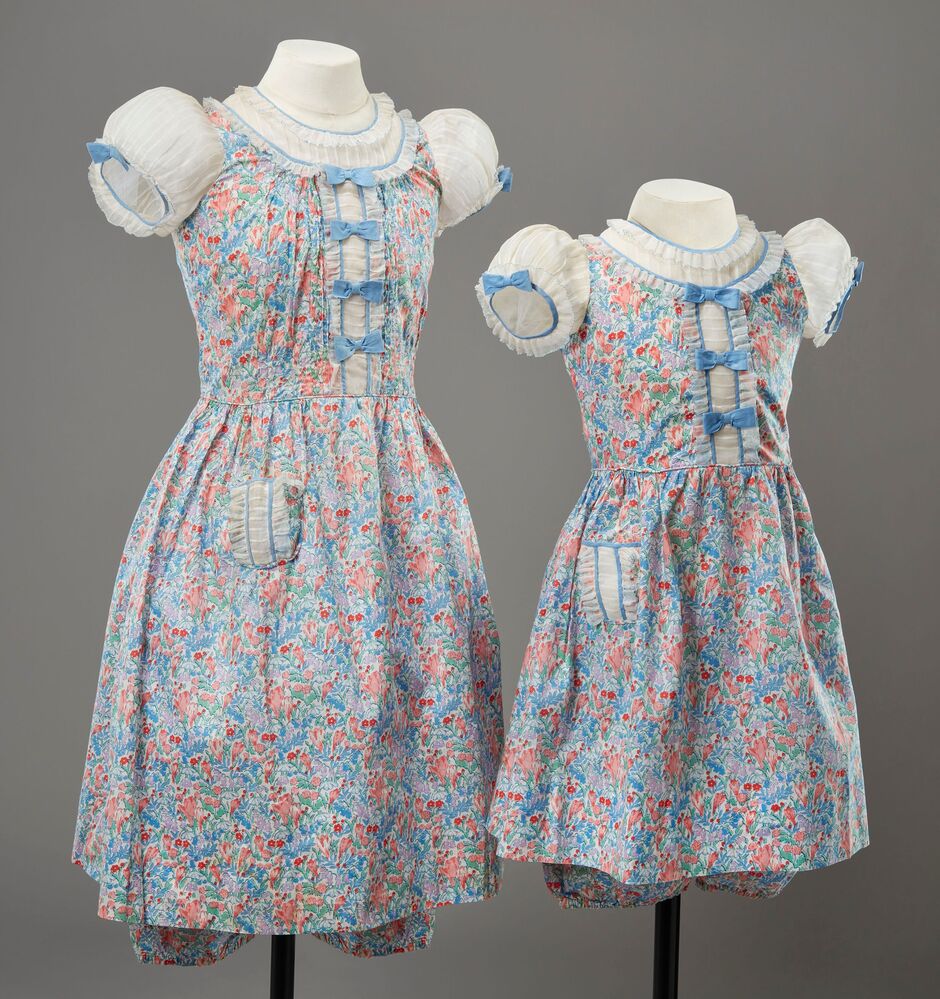
9. Cotton lawn dress and bloomers, Smith and Co, circa 1935
Two adorable dresses worn by Princess Elizabeth and her younger sister, Princess Margaret Rose, will have pride of place in the exhibition. From Margaret’s birth in 1930 and throughout World War Two, the two Princesses would often be dressed identically in simple floral dresses such as this cotton lawn dress and matching bloomers set. “Twin dressing was a concept the Queen Mother was very keen on,” says de Guitaut. “This set was made by the London firm of Smith and Co. The Queen Mother frequently visited them for everything from everyday items to important outfits worn on national occasions, such as King George VI’s Coronation in 1937. They show how the Queen Mother was very clearly influencing the way the Queen dressed as a child, which continued right through into her young adult years, until the princess started to make her own decisions, which were quite different from her mother’s.”
(Image: Royal Collection Trust)
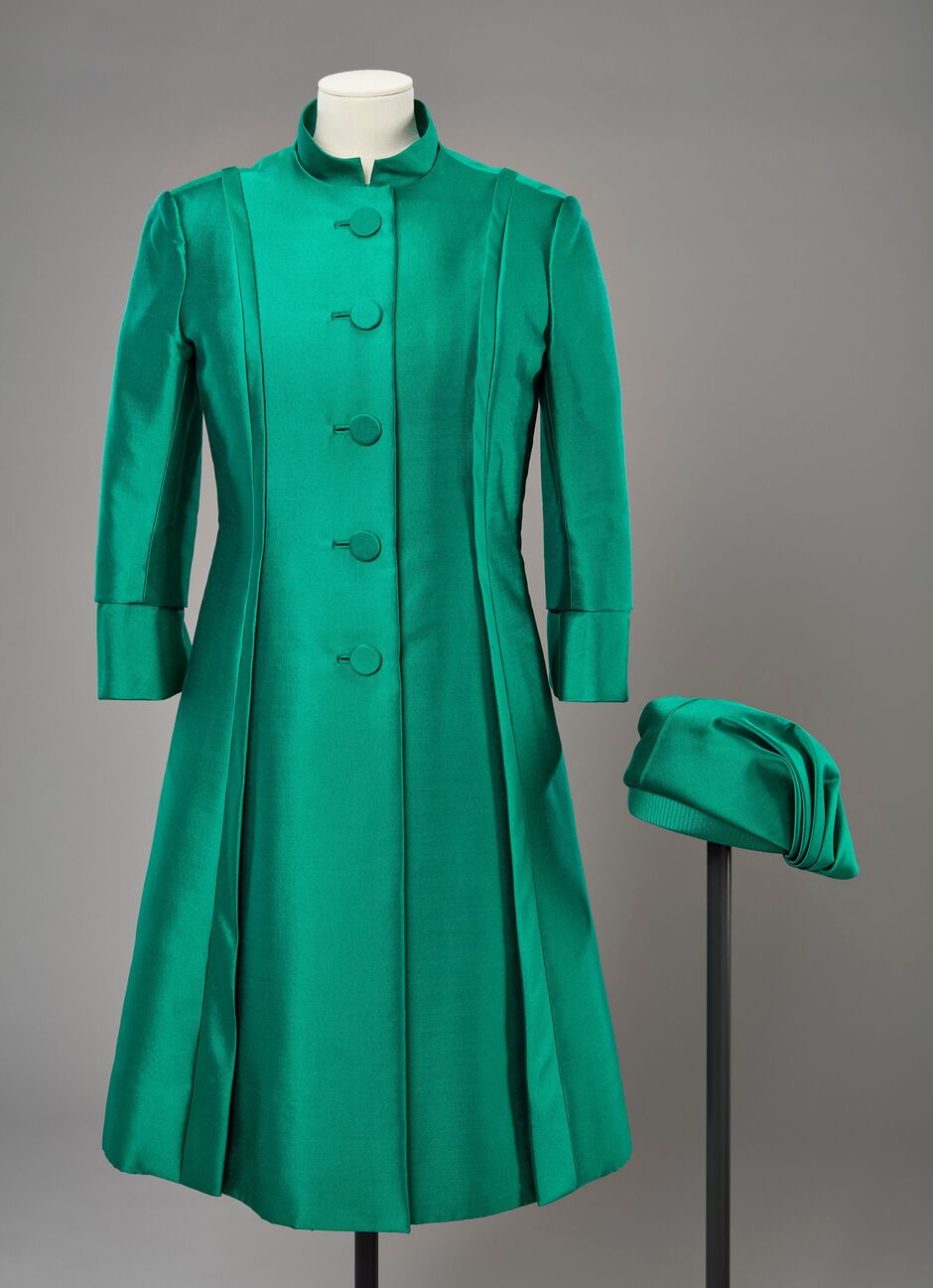
8. Day dress and coat, Norman Hartnell, 1970s
To help bring to life the late Queen’s mantra, “I have to be seen to be believed”, she was often dressed in bold, colour-blocked outfits to easily identify her in a crowd. This eye-catching dress, which the Queen wore on a visit to Hillsborough Castle in Belfast during her 1977 Silver Jubilee Tour throughout the UK, exemplifies her influence over her creations. “The coat itself is made from a fantastic material called silk saran, a type of stiff silk fabric,” says de Guitaut. “It really holds its shape. There’s absolutely no possibility of it creasing, which again is really important when the Queen appears… everything has to be perfect. “She herself was very involved in making these choices and would note anything that she knew wouldn’t work on a fashion sketch and return it to the designer for those alterations.”
(Image: Royal Collection Trust)
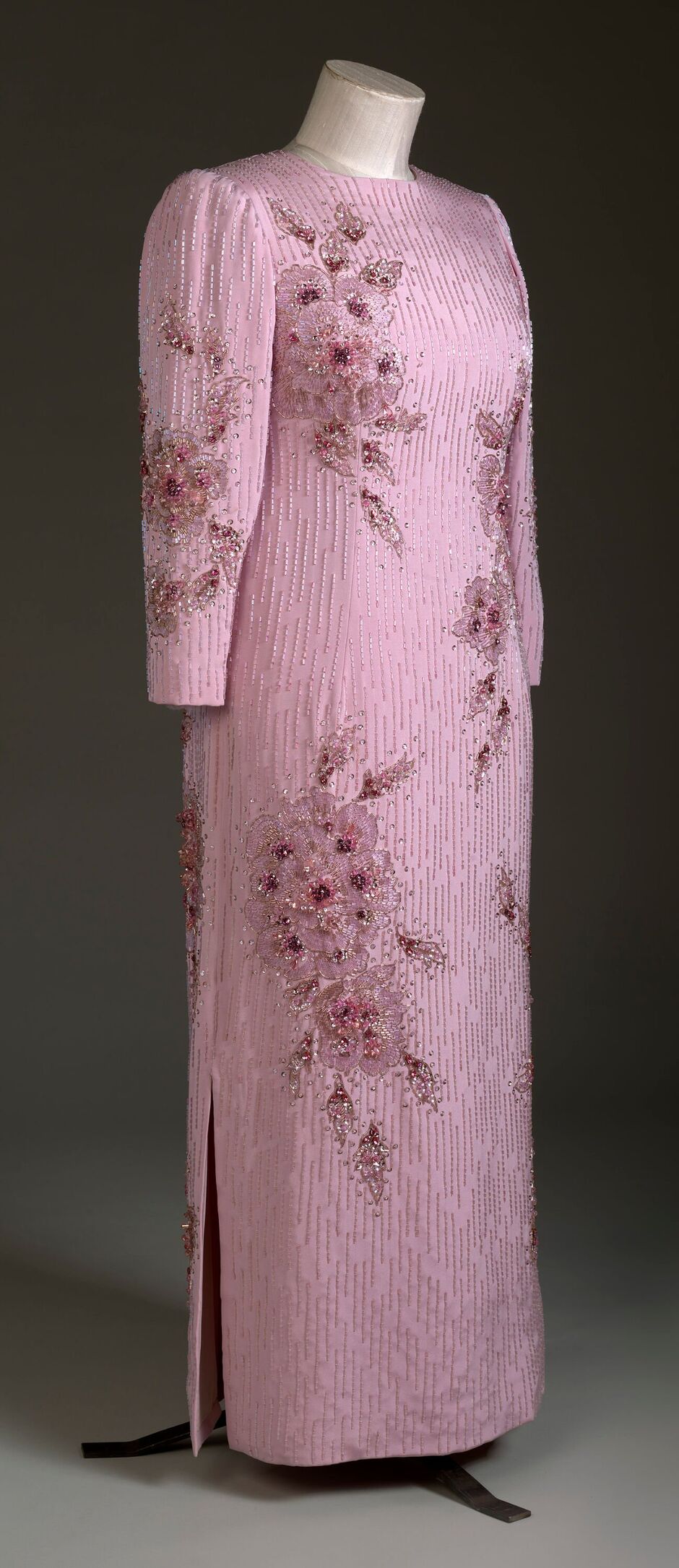
7. Pink Peonies Evening Dress, Ian Thomas, 1986
Keeping with the theme of recognising a country’s values through her fashion, Queen Elizabeth II wore a pink dress featuring Chinese tree peonies, a revered symbol of prosperity in Chinese art and culture, when she became the first British monarch to visit China in 1986. “The Queen took great care to ensure that wherever she travelled on behalf of the British Government, she had all the necessary information readily available to supply to the media through her press office,” says de Guitaut. “The couturiers would be asked to submit sketches on the back of which included information about the dress, its fabrics and inspiration to communicate to reporters. Thomas attached a swatch of the proposed fabric for the Queen to see. Designers often attached an embroidery sample to their sketches for the Queen’s approval, so she could understand the materials and how they would feel. The embroideries can sometimes be quite weighty, so comfort is important – just as important as anything else.”
(Image: Royal Collection Trust)
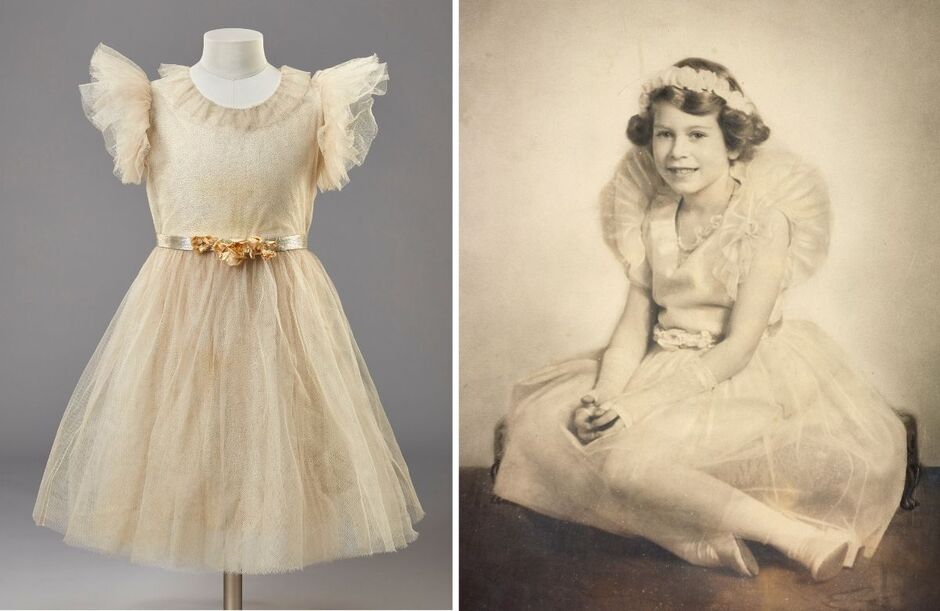
6. Bridesmaid’s dress, Edward Molyneux, 1934
This silver, short-sleeved lamé bridesmaid’s dress that Princess Elizabeth wore for the wedding of her uncle, Prince George, Duke of Kent, is one of de Guitaut’s favourite items in the collection. Prince George married Princess Marina of Greece and Denmark on November 29, 1934, at Westminster Abbey and the couple were supported by eight bridesmaids, including the future Queen, then aged eight, as its youngest. “The dress says a great deal about the establishment of British couture in the 1940s, or London couture specifically,” says de Guitaut. “From the early 1940s onwards, London could rival anything that Paris could produce in terms of couture, and you had these great figures like Edward Molyneux, who was an international fashion figure. It enables us to position him as the key figure in the story, and it’s the first truly couture piece she wore.”
(Image: Royal Collection Trust)
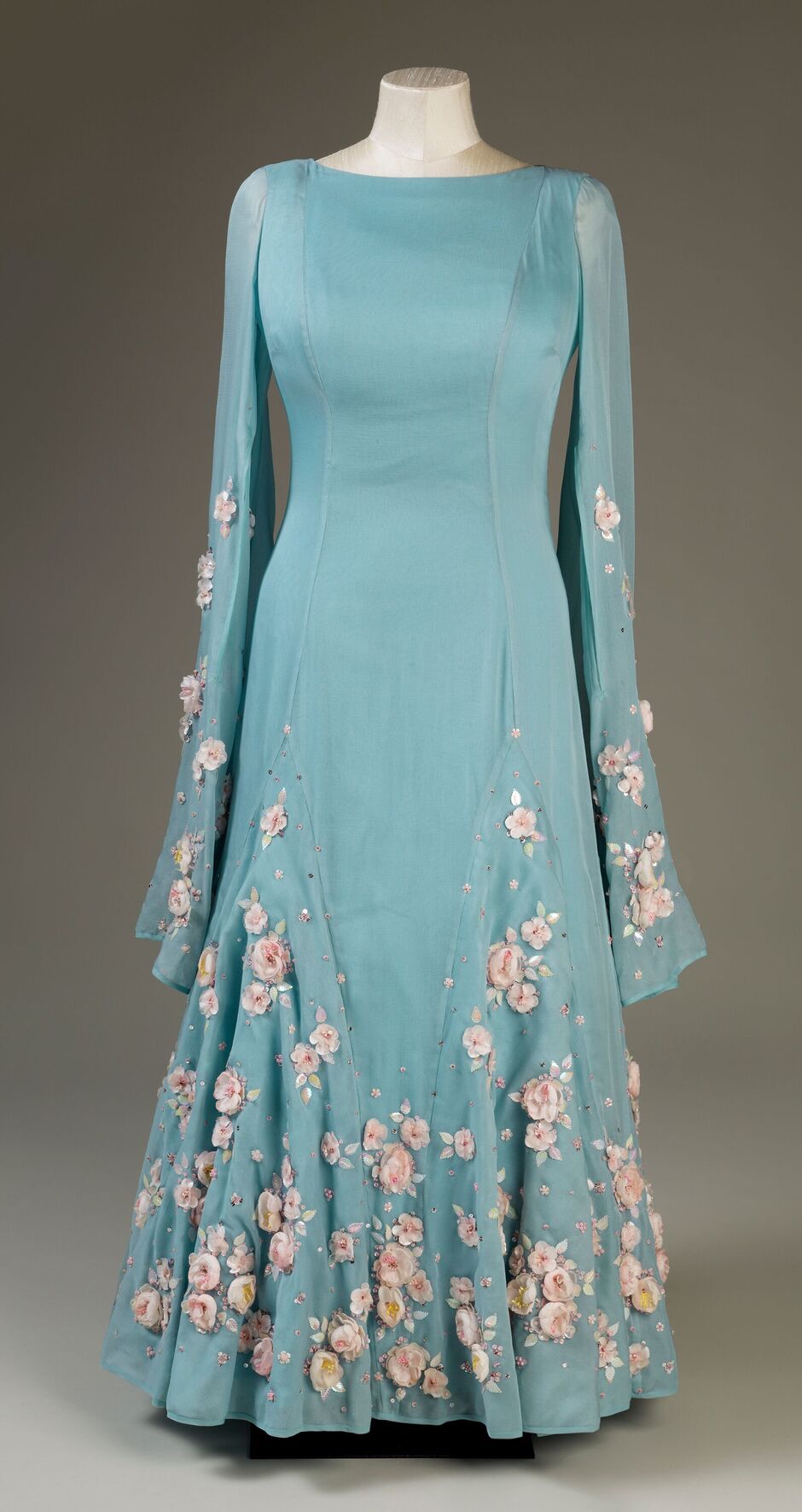
5. Cherry Blossom Evening Dress, Norman Hartnell, 1975
One frequent theme of Queen Elizabeth II’s wardrobe was her talent for paying a subtle tribute to the country she was visiting, as expertly demonstrated in 1975 when she became the first reigning British monarch to visit Japan. “This evening gown is a really good example of how to dress for diplomacy as it has a soft outline using silk chiffon instead of silk, which allowed Hartnell to illustrate that 1970s silhouette,” says de Guitaut. “We have other pieces in the exhibition that feature these soft silk chiffons, often multicoloured, which evoke the swirly, whirly kind of crazy patterning of the 70s. However, it’s fashionable as it utilises those materials and that silhouette. One thing we notice is the long, draped sleeves, which are similar to those on a kimono. So again, Hartnell is taking the sort of essence of traditional Japanese clothing and incorporating it into his 1970s state evening dress for the Queen.”
(Image: Royal Collection Trust)