

The Supreme Court case on transgender athletes
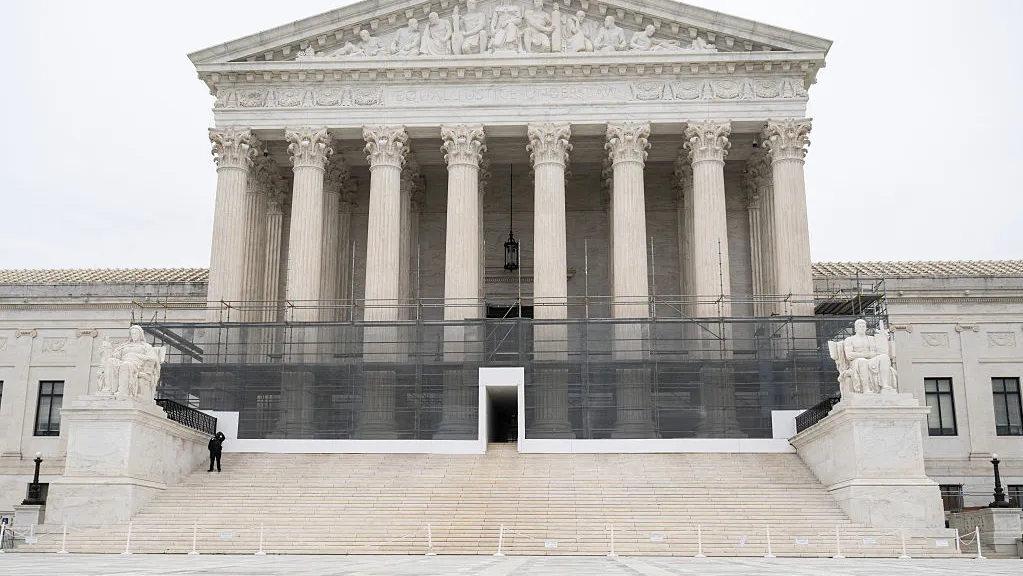
The Supreme Court will hear a case on transgender athletes participating in female sports.
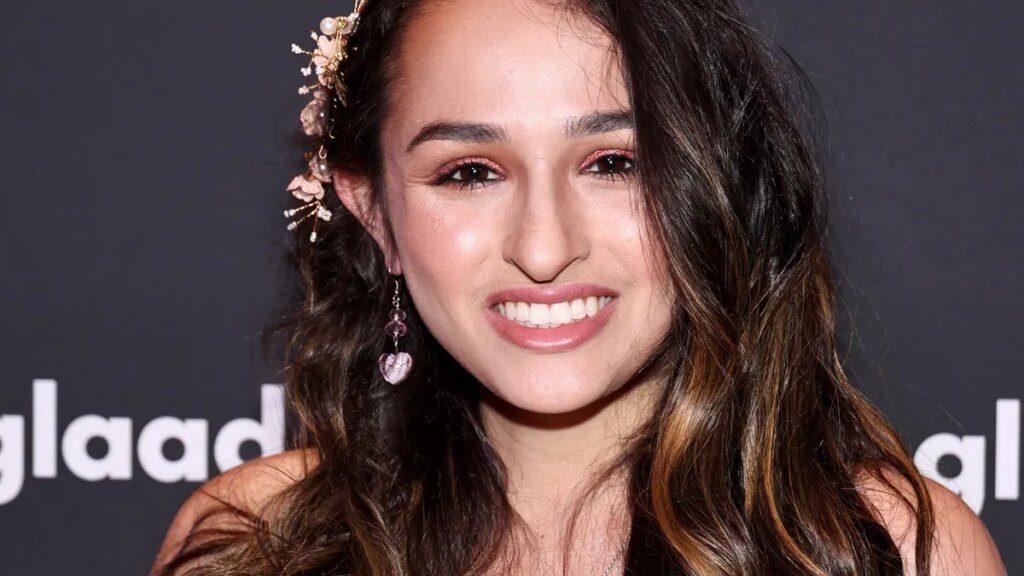
For Jazz Jennings, the fight for transgender athletes is deeply personal.
The reality-TV personality and transgender rights advocate weighed in on the issue of transgender girls competing on female sports teams on Tuesday, Jan. 13, as the U.S. Supreme Court hears cases on student bans in Idaho and West Virginia.
Idaho’s law prohibits trans women and girls from playing on female teams from primary school through college, including both intramural sports and competitive, elite teams. Meanwhile, West Virginia legislation targets the middle school through college age bracket.
In total, 27 states bar transgender girls and women from joining female sports teams. Other states either prohibit such bans or have not taken a position. President Donald Trump, who campaigned on the issue, has moved to cut off federal funding to schools that allow transgender females to participate in girls’ and women’s sports.
Jennings, who documented her own experience of growing up transgender on the TLC reality series “I Am Jazz,” attended a transgender rights rally in Washington, D.C., alongside her brother, Sander Jennings.
“This is what fighting for trans rights looks like,” Jennings, 25, said in a video shared on Instagram. “When I was a kid, I was banned from playing girls’ soccer simply for being transgender. So, I understand what it feels like to be told you can’t do something that you love. Trans people are not a threat and deserve the same rights as everyone else.”
Although a final decision is still pending, the Supreme Court appeared sympathetic to the state bans on Tuesday. Chief Justice John Roberts, whose vote is likely to be key to the outcome, expressed skepticism about the challenges brought by transgender students against the bans.
While the court’s three liberal justices focused on the fact that some transgender students may not have an athletic advantage after undergoing hormone treatments, Roberts said allowing challenges to state law from a fairly small group of people could have broader implications.
Jazz Jennings says SCOTUS cases go ‘far beyond sports’
The transgender students from Idaho and West Virginia who are challenging their states’ bans argue the laws don’t take into account individual circumstances, including whether someone who takes puberty-blockers or cross-gender hormones may no longer be bigger, faster or stronger than a typical female.
The sentiment echoes Jennings’ own experience of not being able to play youth sports due to her transgender identity.
“I hadn’t even gone through male puberty, yet I was denied the right to play with my friends,” Jennings reflected in a Tuesday Instagram post.
“Today, the Supreme Court heard cases that will determine whether trans people have equal protection under the law, or whether we can be legally excluded from public life,” Jennings wrote. “This goes far beyond sports. These rulings could affect schools, healthcare, housing and every aspect of life for trans people.”
Elliot Page visits Supreme Court amid transgender athletes decision
Transgender actor Elliot Page took his trans rights advocacy straight to the nation’s capital.
The Oscar-nominated “Juno” star, who came out as a transgender man in December 2020, was photographed outside the U.S. Supreme Court on Tuesday after the court heard arguments in the student ban cases.
Ahead of his Supreme Court appearance, Page participated in a PSA-style video on the court’s cases, in collaboration with the nonprofit organization American Civil Liberties Union. The video stressed the importance of the court’s decision as a “critical moment” for the future of transgender rights and the LGBTQ community as a whole.
Contributing: Maureen Groppe, Bart Jansen, Aysha Bagchi and N’dea Yancey-Bragg, USA TODAY