
From small social excuses to deliberate deceptions, lying is something most of us do, often without stopping to think about why.
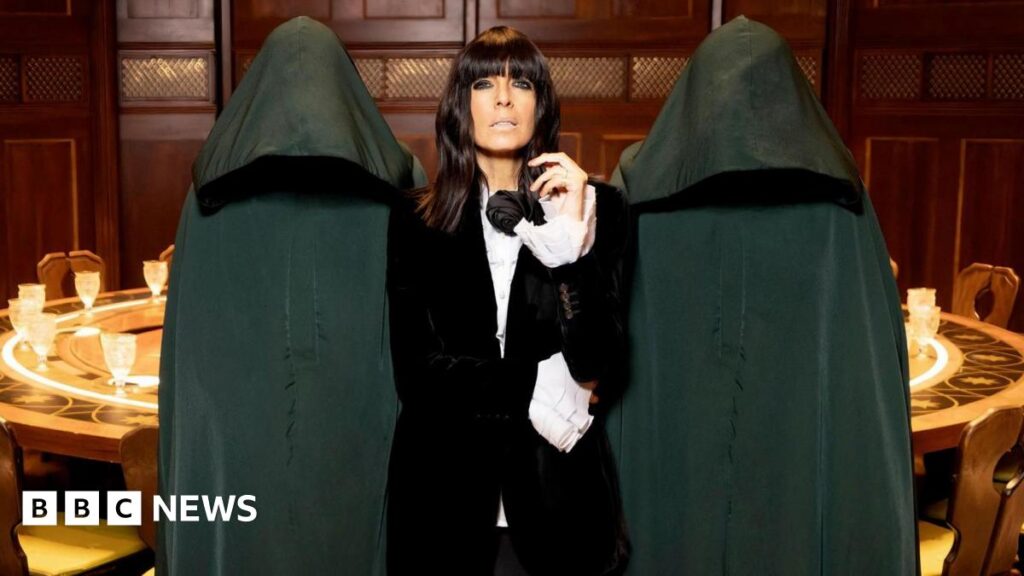
On The Traitors, contestants are rewarded for persuading others to believe an alternative version of events and the drama hinges on who can best control the narrative
In real life, we don’t want to think of ourselves as like the competitors in the BBC series because we think “liars are bad people”, says chartered psychologist Kimberley Wilson, host of the BBC’s Complex podcast.
As a result, many of us underestimate how often we bend the truth. “We mostly pretend we don’t do it,” she says.
This can apply to white lies like telling a housemate you didn’t have time to clean when you couldn’t be bothered, or – more harmfully – pretending you’re working late to cover an affair.
One listener says they lied to their partner about a two-day work conference – pretending it was in York rather than New York, and staying on for the rest of the week. “I have a stressful job and kids and I just needed a break,” she said.
Psychotherapist Dr Charlotte Cooper says that a lie like this can highlight a problem in the relationship.
“What I’m hearing in that story is the difficulty of being honest. I wonder what’s going on that certain things can’t be said.”
At its core, she explains, lying is “telling a story with the intention to deceive people” and that warps reality in a powerful way which she warns can ultimately be damaging.
That power is exactly what makes lying so captivating in The Traitors – the longer a lie is sustained, the more devastating its exposure becomes.