
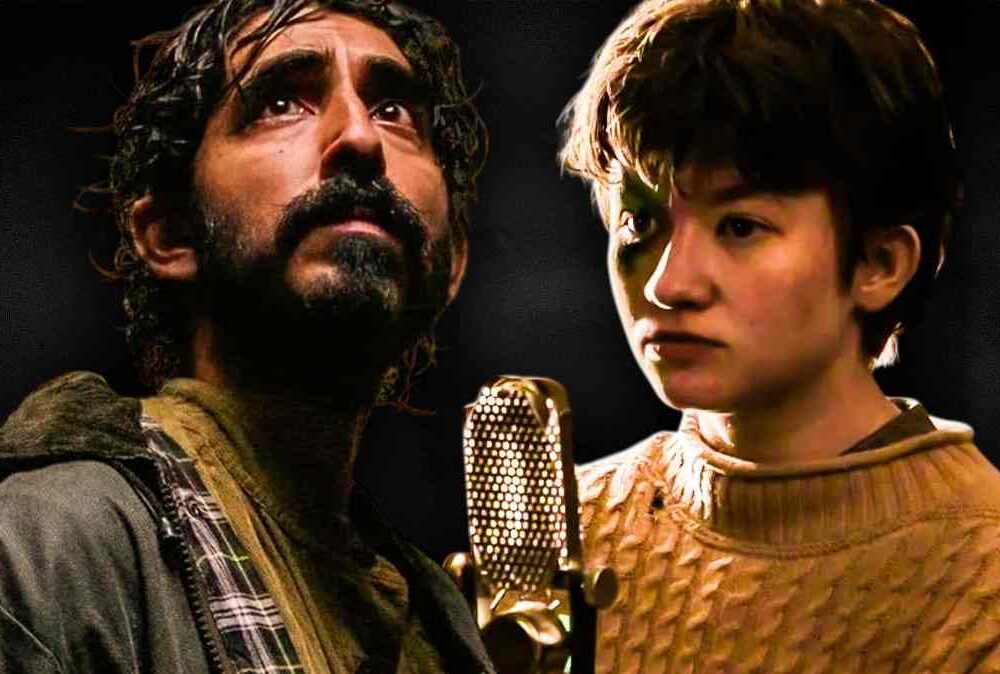
 Dev Patel and Jade Croot Rabbit Trap. Image: SpectreVision
Stephen Price
A psychological horror film featuring a couple who relocate to Wales from London and encounter the Tylwyth Teg (Welsh fairy folk) is set for release this January – and the reason it wasn’t shot in Wales might surprise you…
Written and directed by Bryn Chainey in his full-length feature debut, the movie stars Dev Patel, Rosy McEwen and rising young star, Jade Croot from Merthyr Tydfil.
Rabbit Trap is produced by Bankside Films with SpectreVision and with the backing of Hollywood actor, Elijah Wood.
Set in the mid-70s, the life of a married couple changes following their relocation to an isolated cabin in Wales.
When the couple accidentally disturbs a Tylwyth Teg fairy ring, they are suddenly visited by a mysterious child who appears to have ill intentions for them.
Produced by production company Mad as Birds, the highly anticipated feature is set in Wales, revolving around one of Wales’ most important mythological charcters – Welsh fairy folk, the Tylwyth Teg.
Set in 1976, Rabbit Trap is the story of married musicians Daphne and Darcy Davenport, who have relocated from London to an isolated cabin in Wales in order to complete their new record.
While collecting audio samples, Darcy inadvertently creates a field recording of mysterious sound never before heard by human ears. The discovery renews Daphne’s creative energy, but as the echoes of her music bleed into the surrounding landscape, ancient and malevolent woodland forces are disturbed. One day, a stranger arrives on their doorstep.
The couple initially embraces the stranger, who helps them navigate and understand their new environment, but Darcy grows suspicious of his obsession. As jealousy and paranoia infect the makeshift family, the line between reality and myth begins to blur.
Tylwyth Teg
Tylwyth Teg (Middle Welsh for “Fair Family” is the most usual term in Wales for the mythological creatures corresponding to the fairy folk of English and Continental folklore and the Irish Aos Sí.
Other names for them include Bendith y Mamau (“Blessing of the Mothers”), Gwyllion and Ellyllon.
The term tylwyth teg is first attested in a poem attributed to the 14th-century Dafydd ap Gwilym, in which the principal character gets perilously but comically lost while going to visit his girlfriend: “Hudol gwan yn ehedeg, / hir barthlwyth y Tylwyth Teg” (“(The) weak enchantment (now) flees, / (the) long burden of the Tylwyth Teg (departs) into the mist”).
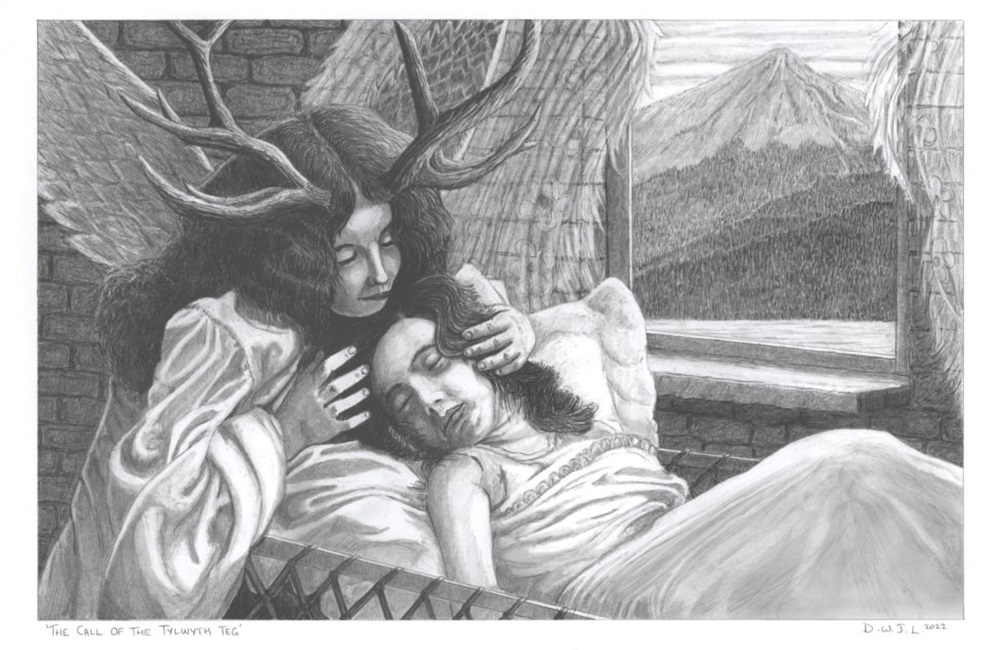 David W. J Lloyd, ‘The Call of the Tylwyth Teg’
In later sources the tylwyth teg are described as fair-haired and covet golden-haired human children whom they kidnap, leaving changelings (or crimbilion, sing. crimbil) in their place.
They dance and make fairy rings and they live underground or underwater. They bestow riches on those they favour but these gifts vanish if they are spoken of, and fairy maidens may become the wives of human men.
These fairy wives are however still bound by traditional taboos. They must be careful to avoid touching iron or they will vanish back to their realm never to be seen by their husbands again.
Rabbit Trap
Whilst set in Wales, the bulk of the films scenes were shot in North Yorkshire despite the team wishing to film in Wales – for a very surprising reason…
In an interview with Variety, when asked if filming took place in Wales, director Bryn Chainey shared: ”Unfortunately not. I really wanted to, but there’s a funny reason why we couldn’t. Daphne’s character was always meant to be a chain smoker — that was important for me.
“Something about the vapor and smoke… and people were chain smokers back then. People with anxiety need to smoke!
“But there’s a rule in Wales where you’re not allowed to even have fake cigarettes on a film set. So we were told either we cut the smoking or use CGI smoke. And that’s really difficult for a low-budget movie.
“We begged for an exclusion. So instead we shot a lot in North Yorkshire, but in a lot of locations where nobody had shot before.”
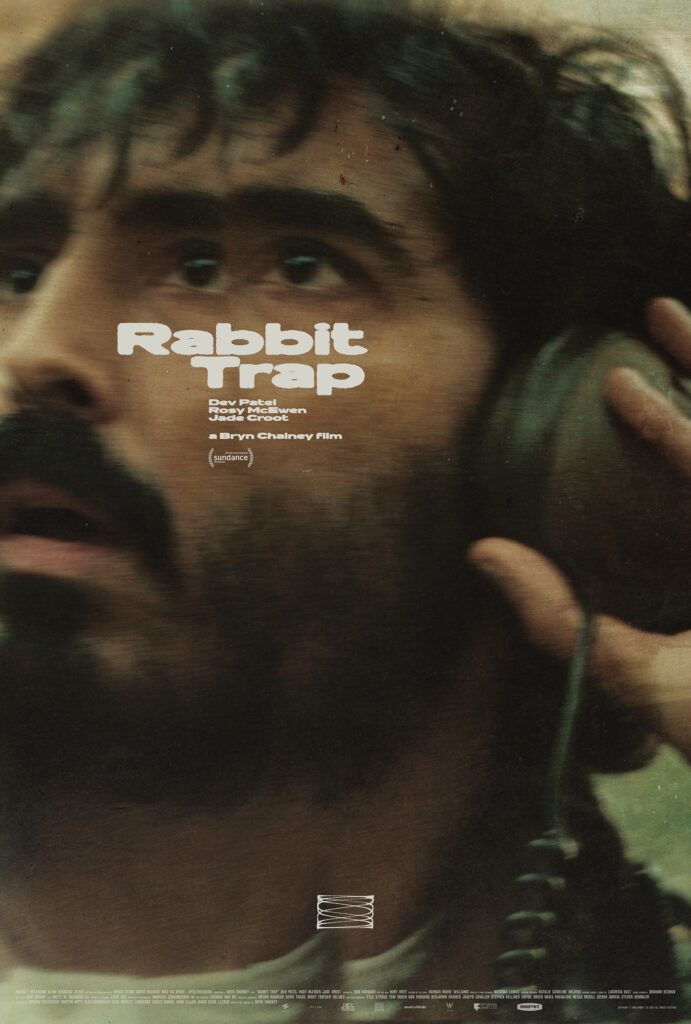
He added: “A lot of it is drawn from Welsh superstition and folk tales. I’ve been really into that since I was a kid. My dad’s Welsh and among my happiest memories of him are going through Brian Froud’s books about fairies, goblins and trolls.
“That really imprinted in me as a kid that these aren’t just stories, but are actually expressions of what it means to live in a landscape or be part of the natural world. So I did a lot of research. I did years of digging into sightings of goblins and fairies and trying to analyze the psychological truth behind the stories.”
Reviews for Rabbit Trap have been positive, with Slashfilm writing: “The film is a haunting curiosity, a movie that exists on the cusp of both folk horror and cosmic horror without resolving that tension.”
While RogerEbert.com shared: “Rabbit Trap, a supernatural drama about a young couple haunted by a creepy child, revels in the tropes and tics of a few decades’ worth of British folk horror.”
Rabbit Trap hits cinemas on 30 January 2026
Support our Nation today
For the price of a cup of coffee a month you can help us create an
independent, not-for-profit, national news service for the people of Wales, by
the people of Wales.