

Popular former BBC Radio DJ Andy Kershaw is “unable to walk” after being diagnosed with cancer that affected his spine.
The presenter, 66, has been undergoing treatment including chemotherapy, radiotherapy, physiotherapy and “a lot of scans and painkillers”, his friend and podcast producer Peter Everett shared on Facebook this week.
Kershaw, who hosted shows for Radio 1 and also co-presented the BBC’s TV coverage of Live Aid in 1985, was diagnosed last August.
“Although we’ve not been able to put together any podcasts in the last six months, we are very grateful to all the patrons and supporters who have stuck with us,” Everett said.
He then shared a message from Kershaw himself, who said: “I am in good spirits, feeling very positive and planning another podcast.
“I am determined not to die before Benjamin Netanyahu, Vladimir Putin, Donald Trump and Ant’n’Dec. That should keep me going for a while.”
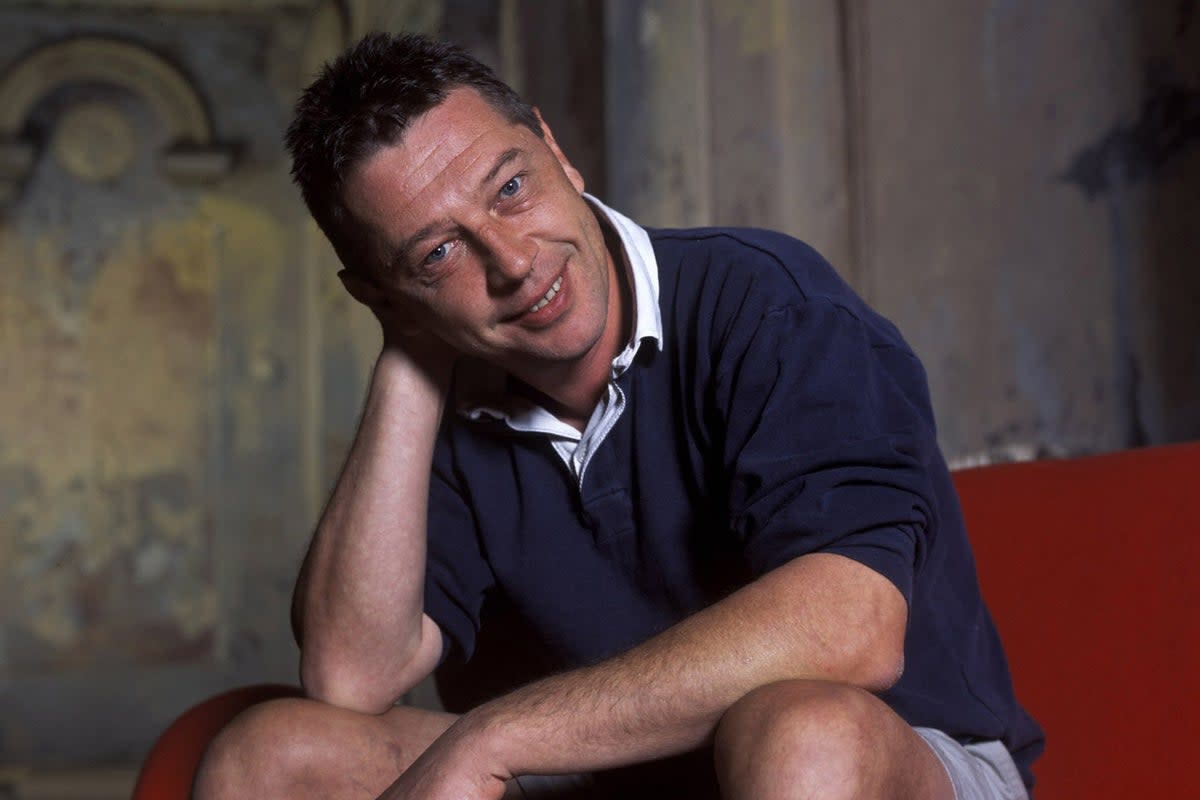
Kershaw: ‘I am in good spirits, feeling very positive and planning another podcast’ (BBC)
Everett said the many messages of support and good wishes sent to Kershaw were “hugely appreciated”.
Born in Rochdale, Kershaw – the brother of fellow broadcaster Liz Kershaw – grew up a fan of artists such as Bob Dylan and went to university with the aim of becoming a journalist.
After arriving in London in 1984, where he secured a job as roadie and driver for singer-songwriter Billy Bragg, he was enlisted as a new presenter for BBC 2’s Whistle Test.
He then got his own show on Radio 1 the following year, which he presented for 15 years before being sacked, as his website states, “to be replaced by another dance music programme”.
Kershaw went on to work at Radio 3 while also making travel documentaries for Channel 4.
He became a tabloid fixture in 2008 after his 17-year marriage ended over infidelity on his part, which he admitted to.
His ex-wife, Juliette Banner, left him and obtained a court order to keep him away from their two children; Kershaw repeatedly broke the terms of the order and was imprisoned three times before going on the run.
He ended up developing an alcohol dependency and was temporarily homeless: “Nobody, not even my allies within the serious media, bothered to look at what was really going on,” he told The Independent at the time. “All I wanted to do was see my children, so why was I in jail? Why was I on the run? It was ridiculous, insane.”
In 2012, he published an autobiography, titled No Off Switch, which detailed his improbable rise through UK media, including his work as a war correspondent.
“It’s an insatiable curiosity, basically, a nosiness,” he told The Independent that year of his approach to music and life. “I think initially Radio 1 wanted another [John] Peel, but I got quickly bored of those awful, insipid demo tapes I was receiving from Liverpudlian indie acts, especially as I was beginning to discover properly fantastic, amazing music from Malawi, the Congo, South Africa.
“The way I saw it, this was music that would have an appeal way beyond the circle of African music aficionados. And the letters I received from enthusiastic listeners suggested I was right.”