
Lucasfilm
“Star Wars” is in a bit of a crisis, to put it frankly. There is no doubt whatever about that. We haven’t gotten a new movie from this franchise since 2019’s costly “The Rise of Skywalker” brought the sequel trilogy to a divisive end. And while there are currently “Star Wars” films slated for both this year and 2027, there doesn’t seem to be any clear direction for the franchise moving forward.
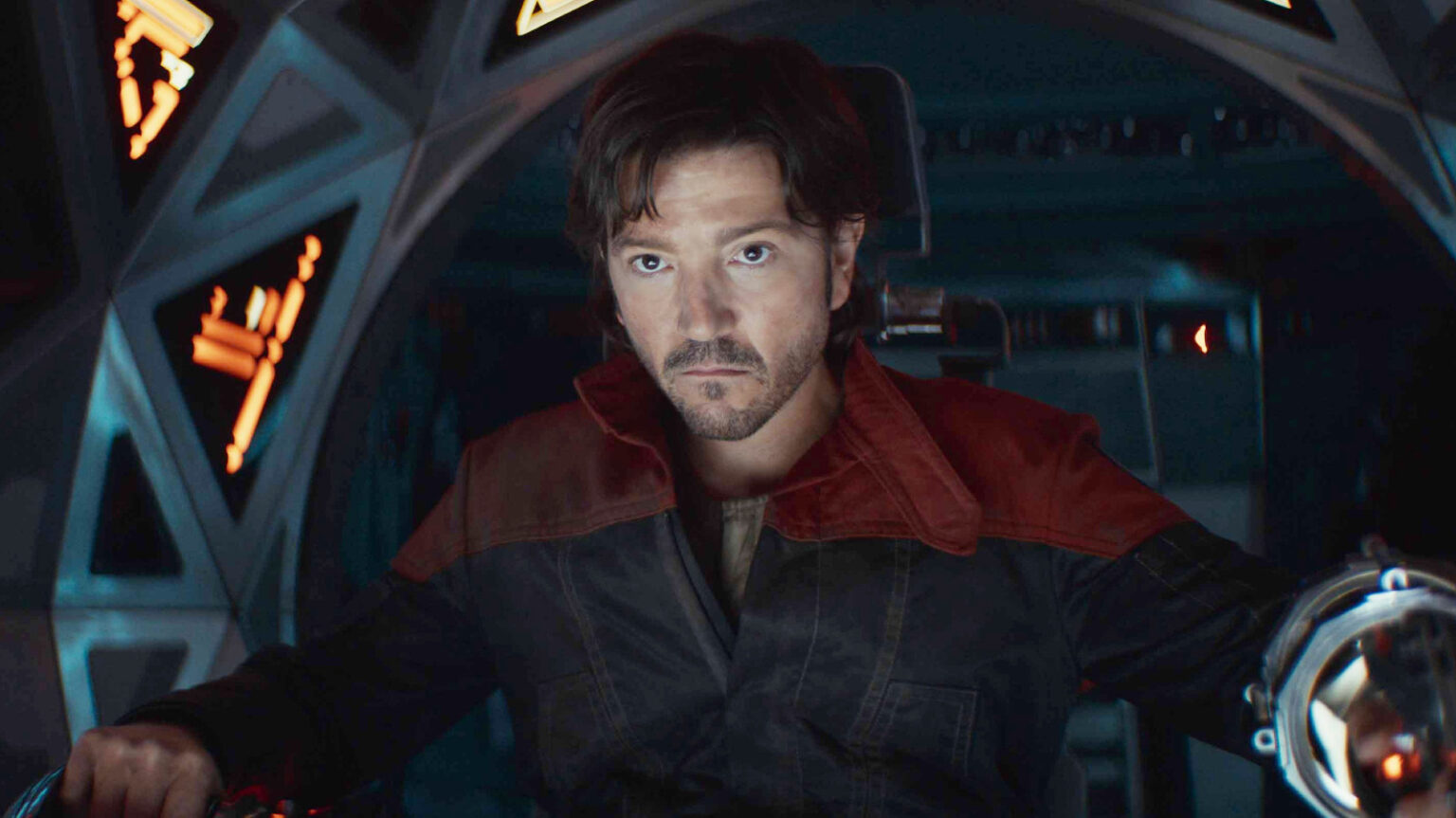
When “Andor” came to an end, I expressed my concerns about the future of live-action “Star Wars” and whether we’ll ever get another entry in the property as radical as Tony Gilroy’s TV masterpiece. With Dave Filoni (who didn’t work on “Andor”) and Lynwen Brennan now set to handle, in turn, the creative and business sides of Lucasfilm as its co-Presidents following Kathleen Kennedy’s departure, everyone on the internet has an opinion about where “Star Wars” should head next. And though the future might seem bleak, remember: this franchise has always been about hope.
Indeed, why focus on the possibility that “Star Wars” might be ruined for the next decade or so when we could focus instead on the ways the property might evolve and become even better? I’ve been a “Star Wars” fan for as long as I can remember. My very first movie memory is seeing the Special Edition theatrical re-release of “A New Hope” in 1997. Similarly, my mom let me skip school to catch an early screening of “Revenge of the Sith” in 2005. I’ve endured it all: The hatred for the prequels, the rise of “Star Wars” animation, the excitement for the sequel trilogy, the “Last Jedi” debates, and much more. Having seen every single “Star Wars” movie and TV show, here are my thoughts on how to save the franchsie.
Let the Star Wars franchise get wild and weird
Lucasfilm
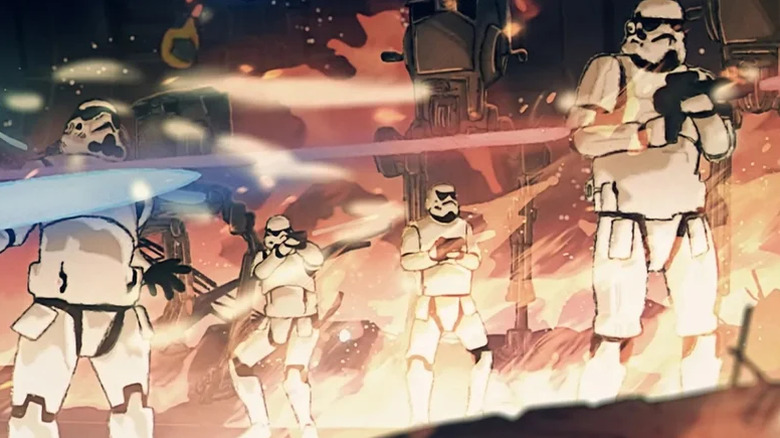
Let’s look at two recent projects that’ve redefined what “Star Wars” can be — “Star Wars: Visions” and “Andor.”
“Visions,” for those who are not familiar, is an anthology series that uses the medium of animation to explore vastly different corners of the franchise, including the canonical and non-canonical alike. Its episodes are wildly experimental and explore different visual styles in multiple mediums, including 2D, 3D, and stop-motion animation. The show is also moving the property closer to being a genuine sandbox, having now given rise to an upcoming spin-off (titled “Visions Presents”) that will dive more deeply into different installments of its parent series.
Live-action “Star Wars” TV has only helped in this regard, with shows like “Andor,” “Skeleton Crew” and “The Mandalorian” all having vastly different tones and styles. Still, things could and should go further. Don’t stop with TV; let the movies be just as experimental. Right now, the “Star Wars” films are in the process of jumping from the conclusion of the Skywalker Saga to “The Mandalorian and Grogu” (a big screen, feature-length TV episode, essentially) and then 2027’s unconnected “Star Wars: Starfighter.” Rather than a weird, one-off transition period, this should be the rule now.
Let’s not forget: We were initially supposed to get “Star Wars” spin-off films in between the mainline movies. But rather than focusing on so-called legacy characters, future films and series should follow the example set by “Visions” and branch out. Why not do a “Star Wars” rock opera movie, a big-budget animated feature, or even a “Star Trek: Lower Decks”-style TV workplace comedy? Don’t limit what “Star Wars” can be by forcing a main story; rather, let the world itself be the main character and spin different narratives from it.
Star Wars should focus more on creative visions than lore
Lucasfilm
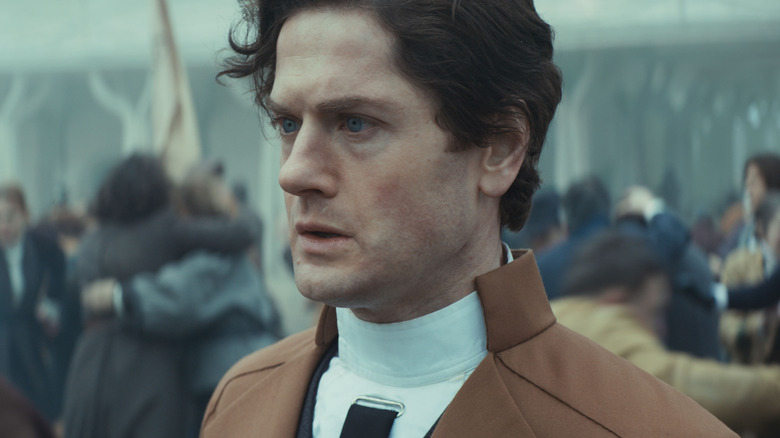
“Andor,” specifically, has truly proven that “Star Wars” can be more than the Skywalker Saga. Sure, “The Mandalorian” paved the way for “Star Wars” being back in the public consciousness before that, but it’s “Andor” that made the franchise culturally relevant again from a creative perspective (and even brought it newfound awards attention).
A big key to the success of “Andor” was showrunner Tony Gilroy being given free rein to tell the story he wanted to tell. Most importantly, Gilroy wasn’t pressured to connect the series to the rest of the franchise in ways that felt inorganic. “Star Wars” should stick to this approach in the future, allowing artists with a vision to come in and carve out their own little corner of the franchise without having to worry about Easter eggs and such.
Just think of all the “Star Wars” projects that’ve been canceled since 2012. Some of them hailed from indie filmmakers who’d transitioned to helming blockbusters like Josh Trank, the Russo Brothers, and Colin Trevorrow (whose version of what became “The Rise of Skywalker” was abandoned, don’t forget). Then we have more interesting names, like Guillermo del Toro’s proposed Jabba the Hutt movie and, of course, Steven Soderbergh’s now-infamous Kylo Ren/Ben Solo flick (which Disney’s head honchoes shot down). How cool do some of these sound?
Basically, if you want to save “Star Wars,” don’t turn the property into the Marvel Cinematic Universe. Instead, let it be driven by creative visions instead of lore, similar to what the DC Extended Universe at its finest (which resulted in movies like “Aquaman,” “Birds of Prey,” and “The Suicide Squad”). “Star Wars” can be that kind of sandbox again, if the powers that be at Lucasfilm will allow it.