
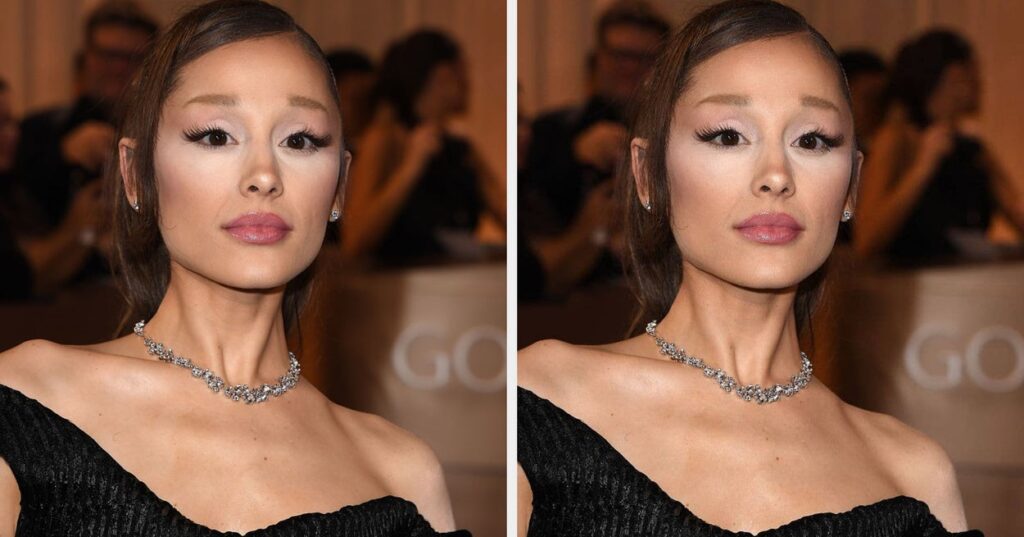
This comes after millions of women, myself included, have spent years trying to unlearn the toxic messages we were fed in our youth. That beauty equals thinness. That discipline means restriction. That our bodies must be controlled and minimized to be acceptable.
We fought for size diversity, for the radical idea that you can be beautiful, strong and worthy without disappearing. And just as that movement was starting to shift the cultural tide, here comes this trend of pharmaceutical shrinking that pretends thinness is wellness.
This isn’t about calling out celebrities, and it isn’t about body shaming. It’s about the unspoken message all of this is sending: When it comes to health, thinner is always better. This isn’t just frustrating. It’s dangerous.
A danger I know intimately.
When I was a teenager, my mother used to say, “If you only lost weight, you could be beautiful.” She equated being thin with the worth of a woman, and believed it would grant her access to power, success and opportunities.
I was a 14-year-old desperate to fit in with the cool kids. So when a popular girl in my high school freshmen class turned to me and asked how much I weighed, I answered without much hesitation.
“About 130 pounds.”
She looked at me in horror, “Oh, my God. I would kill myself if I ever weighed that much.”
I stood there, the fluorescent hallway lights buzzing above me, trying not to let the heat rising in my face show. She had confirmed what my mother had drilled into me, that the most important thing to be was thin.
My mother had done everything in her power to get me to lose weight: She’d pushed, pleaded, threatened, bargained. And she wasn’t the only one spreading the message of thin worship. This was the 1980s, the era of low-fat everything, Slim Fast and Jane Fonda workout tapes. No one was talking about mental health or eating disorders, no one I knew anyway.
Instead of motivating me, this made me feel like there was something wrong with me. That I was unworthy and unlovable the way I was. So when I was 15, I went into the bathroom one afternoon, locked the door and pushed my fingers down my throat.
As soon as I emptied my stomach, I felt an avalanche of self-loathing and disgust, but also a kind of relief. I sat on the cold tile floor, throat burning, face tear-streaked, clutching the white porcelain bowl. That started a secret life I carried for the next 30 years.
Decades of compulsive binging and purging, of painful highs and crashing lows. Of hiding behind locked doors and running showers to muffle the sound of vomiting. Of looking into a steamed-up bathroom mirror at a version of myself I hated.