
Dean Buscher/Warner Bros. Television
Few things stoke the fires of debate like asking someone how they feel about a divisive moment from Superman’s on screen history. Just see what happens if you mention that time Henry Cavill’s version of the Kryptonian snapped General Zod’s (Michael Shannon) neck in “Man of Steel” around folks with opinions on such matters. Or casually bring up when Christopher Reeve’s Kal-El informed the world’s nations that he would be chucking all their nuclear weapons into Earth’s sun and got essentially nothing in the way of angry pushback in “Superman IV: The Quest for Peace.”
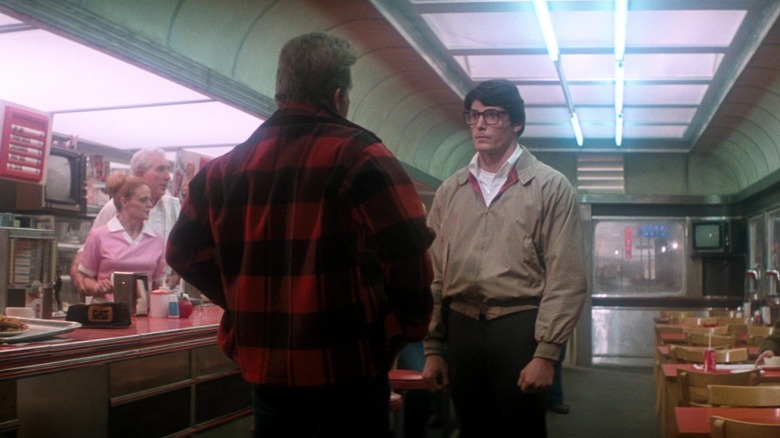
Then there was that time Superman taught a bully in a diner a lesson. No, not that truck driver (aka Ludlow, as played by Ian Tracey) who tried to pick a fight with Cavill’s Clark Kent at the pub and restaurant where he was working in “Man of Steel,” only for Clark to politely quit without taking the bait … and discretely obliterate the guy’s vehicle on his way out. I mean when Rocky (Pepper Martin), the truck driver in “Superman II,” harassed Lois Lane (Margot Kidder) and assaulted Reeve’s Man of Steel at a diner just as he’s adjusting to life without his super-powers, only for a re-powered Clark to later return to the joint and give Rocky a taste of his own medicine.
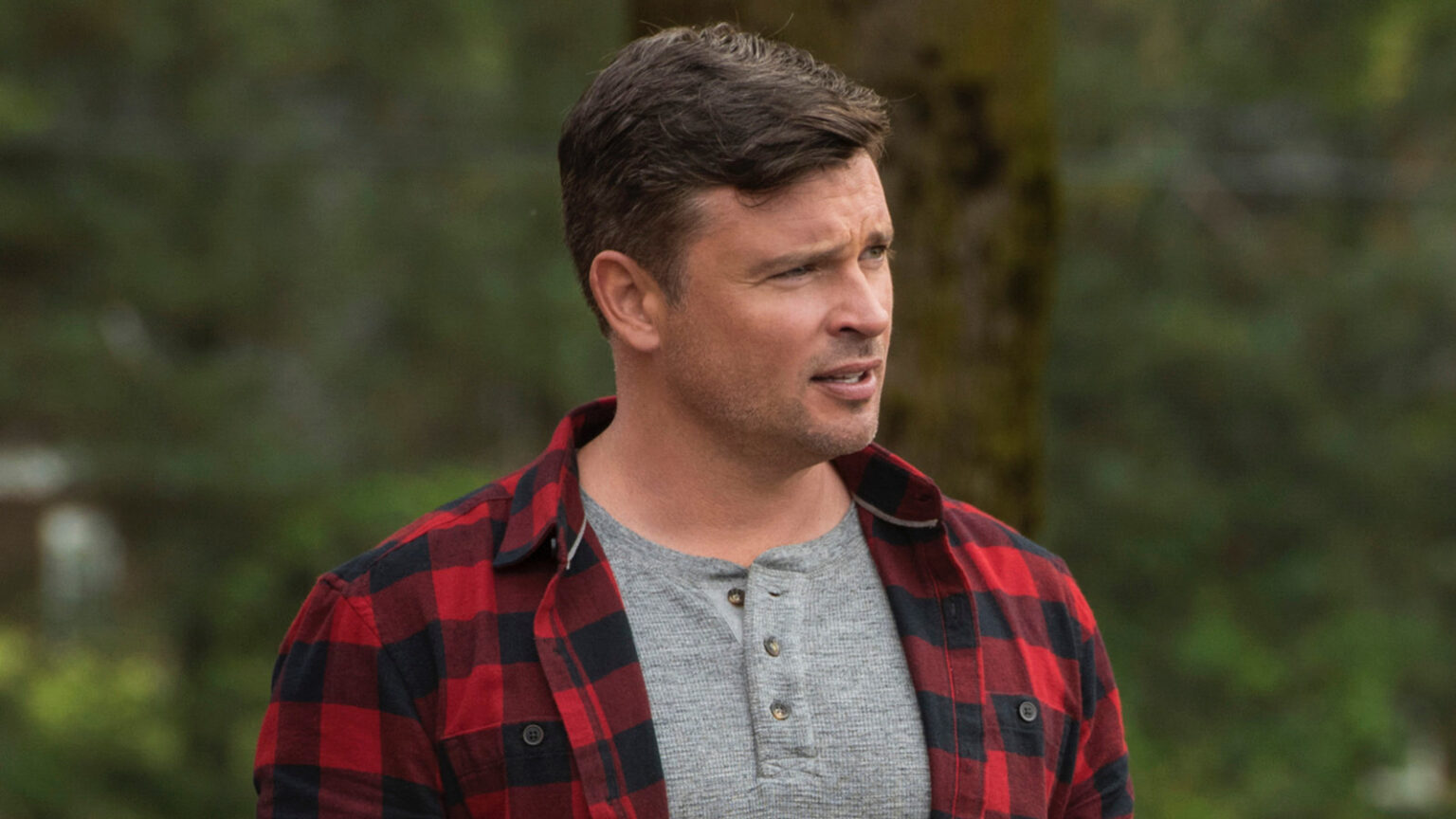
As Tom Welling, who played a young Clark for 10 seasons on the series “Smallville,” explained at a 2025 New York Comic Con panel, he actually sees this controversial turn of events as a definitive Superman moment (via Popverse). “The scene of him in the diner when he gives up his powers and gets beat up, and then goes back and beats up the jerk, that to me is, like, the Superman moment,” to quote Welling directly.
Does Superman II’s diner scene reflect badly on Superman?
Warner Bros. Pictures
The 1980 theatrical cut of “Superman II” has always been divisive unto itself, as original director Richard Donner (who helmed 1978’s beloved “Superman: The Movie”) was infamously fired after finishing the majority of production, only to be replaced by Richared Lester (who helmed 1983’s not-so-beloved “Superman III”). Be that as it may, it appears the Rocky stuff was part of Donner’s original vision and can’t be blamed on Lester, so what should we make of it?
Those who agree with Tom Welling might note that Clark’s encounter with Rocky in “Superman II” was a reminder for him to use his powers to help ordinary people with their everyday problems (like the diner patrons and employees that Rocky mistreats on the regular) and not just for stopping world-ending threats. That’s something Welling’s Clark Kent did throughout “Smallville” (lest we forget, the show once dedicated an episode to Clark protecting an undocumented immigrant), so you can see why he might appreciate this scene from that perspective alone.
Other folks, however, would point out that Clark could’ve easily shown Rocky the error of his ways without laying a hand on him and only (literally) tossed him around as an act of petty revenge, which reflects badly on Christopher Reeve’s usually wholesome portrayal of Superman. Heck, Rocky almost breaking his fist punching a re-powered Clark before the latter could lift a finger was probably punishment enough. That complicates a moment with an otherwise agreeable message. (Don’t be a bully, basically.)
Like all Superman-related debates, then, there’s a lot to chew on here. As for me? I’m just waiting for what I’d personally consider the true definitive Superman moment (Superman saving a suicidal teen in the “All-Star Superman” comics) to be adapted to live-action.