
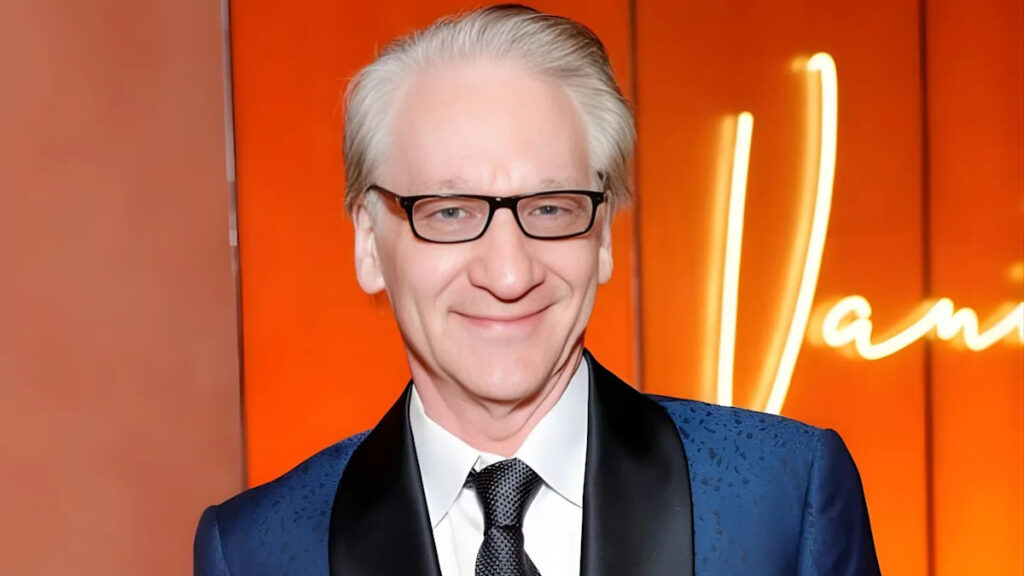
Bill Maher has never been shy about confronting uncomfortable cultural trends, but his latest commentary landed at a particularly sensitive moment for Hollywood. With awards season in full swing, the longtime host used his platform to question why celebratory nights meant for entertainment have become stages for political signaling.
Maher argued that awards shows are increasingly burdened by messaging that distracts from their original purpose. Instead of honoring creative work, many ceremonies now feel like moral showcases, where celebrities compete to display their political awareness rather than their artistic achievements.
His critique wasn’t rooted in denying free speech. It was rooted in timing, context, and impact.
The Pin That Sparked a Bigger Conversation
Maher grounded his argument in a personal encounter that crystallized his frustration. After a recent awards appearance, he was questioned on the red carpet about why he wasn’t wearing a pin supporting a political cause tied to a tragic incident involving immigration enforcement.
He acknowledged the seriousness of the event but rejected the idea that a symbolic accessory was required to demonstrate empathy or moral clarity. For Maher, the expectation to visually perform concern felt hollow, especially when it substituted for deeper engagement or tangible outcomes.
That moment, he explained, reflected a broader cultural habit where gestures replace substance and visibility stands in for responsibility.
Symbolism vs Results in Celebrity Activism
At the heart of Maher’s monologue was a challenge to what he sees as performative activism. He criticized the belief that wearing pins, ribbons, or slogans meaningfully contributes to solving complex social problems that persist despite decades of public awareness campaigns.
Maher argued that many celebrities conflate attention with effectiveness, assuming that visibility alone creates change. In his view, this mindset allows public figures to feel morally accomplished without confronting the harder reality that most issues demand policy, compromise, and sustained effort.
The applause that follows these gestures, he suggested, often benefits the messenger more than the cause itself.
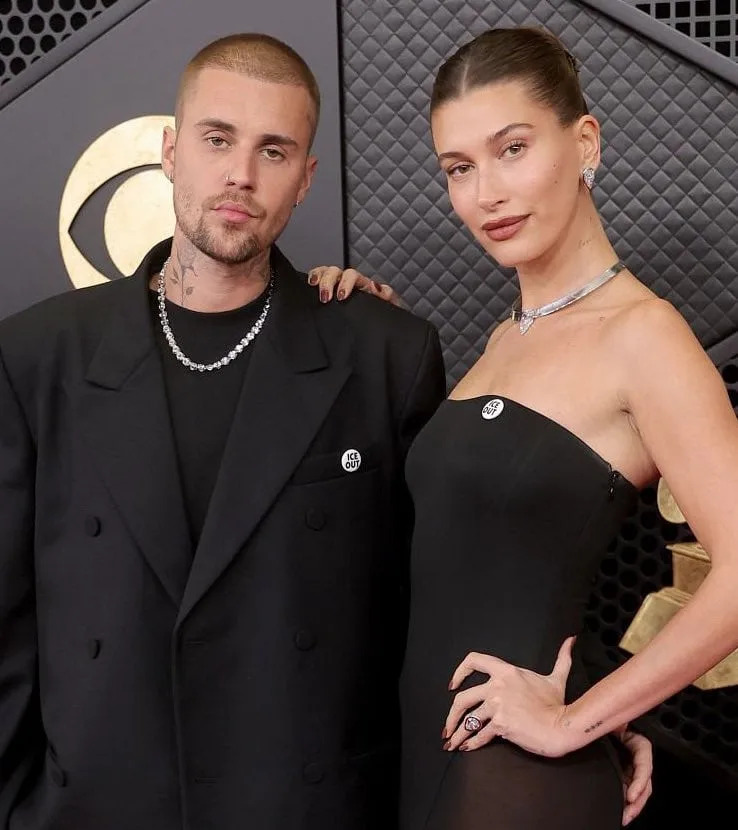
Justin Bieber and Hailey Bieber. Screenshot from JAILEYSWRLD via X. Used under fair use for commentary.
Why Celebrity Endorsements May Be Backfiring
Maher then shifted from cultural critique to political consequence. He pointed out that in recent elections, overwhelming celebrity support for specific candidates failed to produce the expected results, particularly in swing states where elections are won or lost.
Rather than energizing undecided voters, Maher suggested that celebrity endorsements may actually alienate them. Many voters, he argued, perceive Hollywood figures as insulated from everyday struggles, making their political advice feel disconnected or patronizing.
Polling data and voter reactions appear to support this concern, showing that star power no longer translates into persuasion and may even dampen enthusiasm among independents.
A Warning to Democrats — and to Hollywood Itself
While Maher directed much of his message toward Democratic strategy, his warning extended beyond party lines. He urged political movements to reassess their reliance on celebrity validation, especially in an era marked by distrust of elites and institutions.
Hollywood, he implied, needs to recognize that cultural influence has limits. Fame does not guarantee credibility, and moral certainty does not equal public trust. When entertainers present themselves as political authorities, the message can feel less like solidarity and more like scolding.
Maher framed this disconnect as a failure to read the mood of the country, where frustration often outweighs admiration.
What Maher Thinks Celebrities Should Do Instead
Despite his sharp tone, Maher made it clear that he doesn’t doubt the intentions of celebrities who speak out. He acknowledged that most are motivated by genuine concern and a desire to help, not self-interest.
His advice was straightforward. Do what you do best. Entertain. Create. Offer relief in a culture already saturated with conflict and opinion. Art, humor, and storytelling, he argued, provide value that symbolic gestures cannot.
By focusing on their strengths, entertainers can contribute without deepening political fatigue.
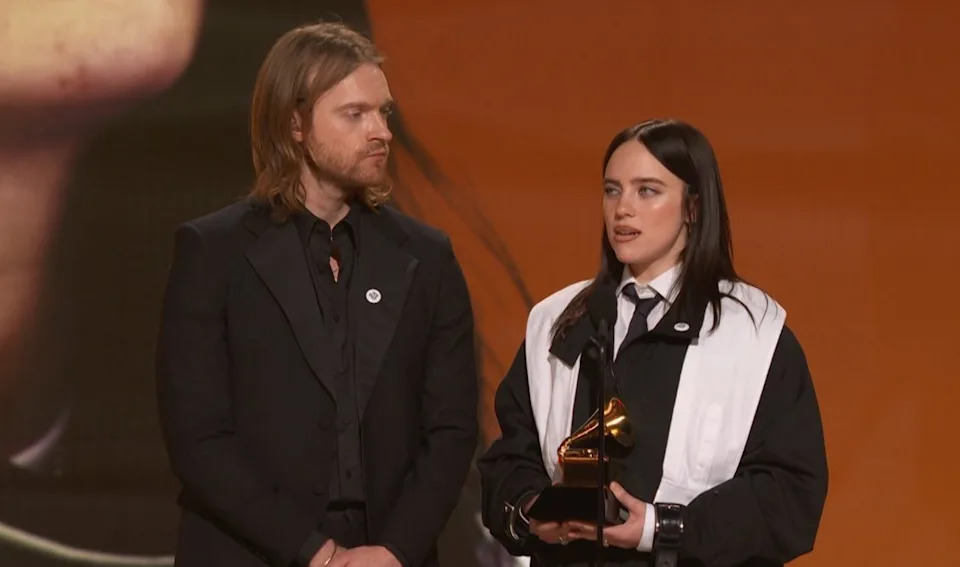
Photo Credit: Pop Base/X
The Line That Set Off the Debate
Maher ended his commentary with a line that quickly spread online. He told celebrities that they are, in fact, making a difference — just not the one they intend. In his assessment, their public political displays are pushing undecided voters away and reinforcing opposition.
The reaction was immediate and polarized. Supporters praised the honesty. Critics accused him of dismissing civic responsibility. Yet even detractors conceded that his message touched a raw nerve.
In a media environment where entertainment, politics, and identity are increasingly intertwined, Maher’s critique forces a difficult question.
Is Hollywood helping shape public opinion — or quietly driving it in the opposite direction?