
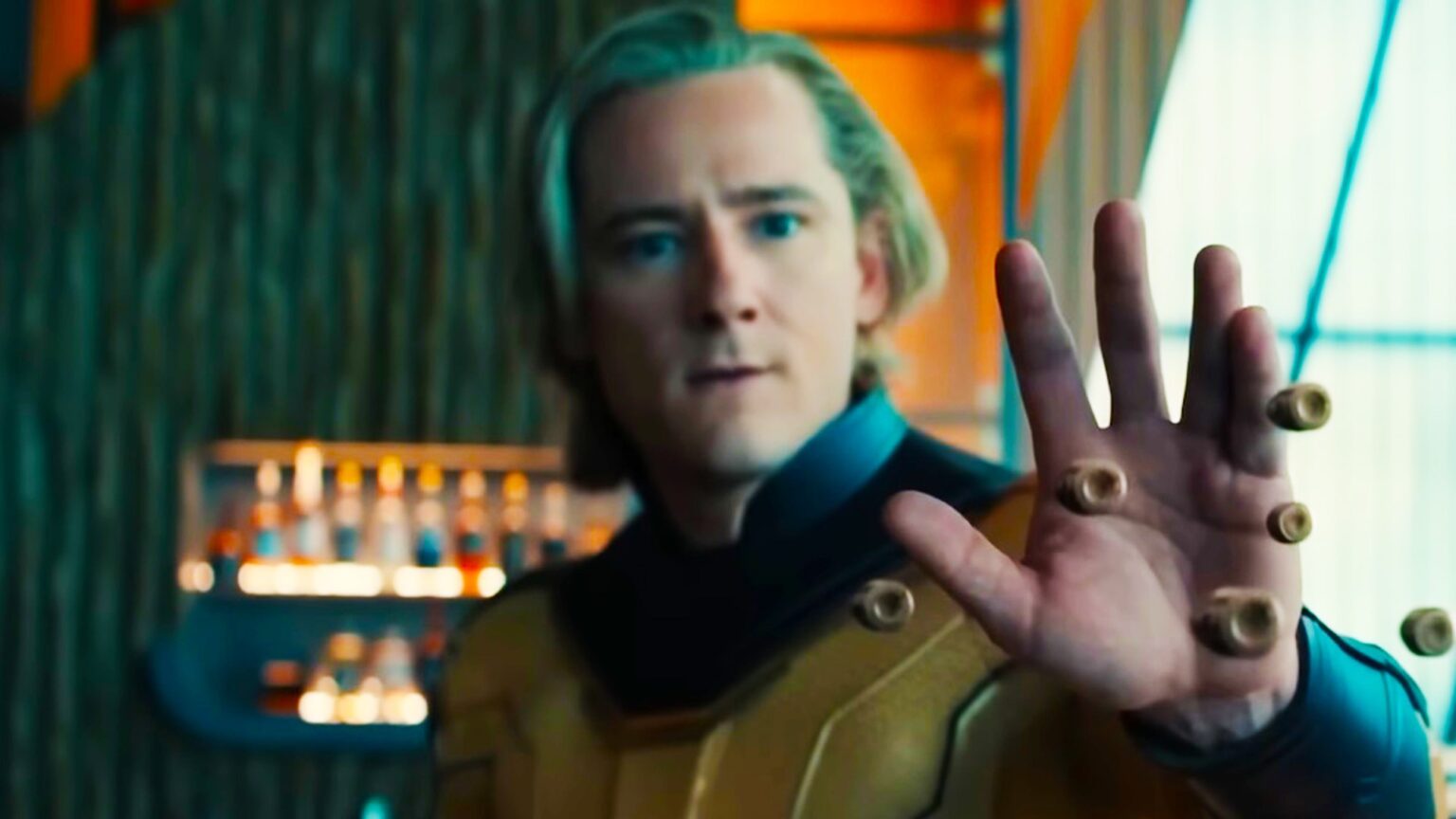
The Marvel Cinematic Universe isn’t what it used to be, but it still has some cool movies, like Thunderbolts*. This was a lower stakes, more character driven movie, bringing back some old favorites for an adventure that was more about trauma than saving the universe. Of course, by lower stakes I mean it introduced one of Marvel’s most overpowered characters to the MCU: the Sentry. Bob Reynolds is a man with a lot of demons, with his mental illnesses driving him to self-medicate, eventually shooting up a supersoldier serum he found breaking into a drug lab. He became one of the most powerful beings on Earth, and also birthed his own worst enemy, the Void. There are some cool Sentry stories out there, but the best isn’t published in the comics.
The story starts in the year 1998. Marvel hired the artist/inker team of Joe Quesada and Jimmy Palmiotti as editors and gave them their own line of B and C-list characters: Daredevil, Black Panther, the Inhumans, and the Punisher. The Marvel Knights line was three-quarters successful (the Punisher reboot failed) and fans loved Paul Jenkins and Jae Lee’s The Inhumans. The 12-issue book was a beautiful slow burn, building the characters perfectly through its narrative. Jenkins and Lee were a magical team, so putting them together for another book was a no-brainer. But who would it be? 26 years ago, an announcement was made that shook the comic world.
Marvel Pushed the New Jenkins/Lee Book With the Most Surprising Ad Campaign Possible
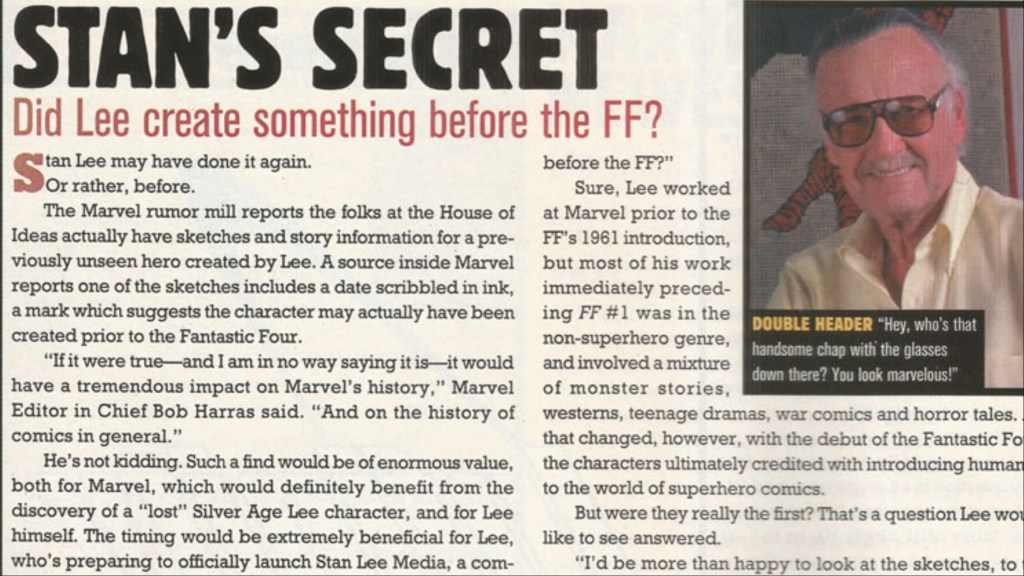 Image Courtesy of Wizard: The Guide to COmics
So, Wizard: The Guide to Comics (the most popular of the comic magazines of the ’90s and ’00s), ran a news story about the death of a man named Artie Rosen, an artist who had worked at Marvel in the ’60s, helping out guys like Jack Kirby and Steve Ditko, but never getting his own books. Not long after, we got the reports that a forgotten Stan Lee/Artie Rosen character had been found that was meant to be the Marvel Superman, a powerful character who would be given the patented the Marvel “hero with feet of clay” treatment. Apparently, the two of them created this character, but never did anything with it. Lee said he didn’t remember doing it all and no one at Marvel could find too much about him in their files.
A few months later, it was announced that Jenkins and Lee were going to take the notes that were found in the Marvel offices and use them to tell a story of this forgotten character, and that was going to be their next book together. Fans were excited, and soon they had The Sentry #1 in their hands. Bob was a man with agoraphobia, a wife, and a dog, but he started having memories return to him of being a superhero. As this happens, something starts moving in the world, a powerful darkness traveling towards Bob as he goes to New York City to talk to the heroes who he suddenly remembers.
Eventually, readers would find out that he was once a superhero named the Sentry, was was a compatriot of the early ’60s Marvel heroes, like the Fantastic Four, Spider-Man, the Avengers, Hulk, and the like. The experimental supersoldier formula gave him the “power of a million exploding suns”, but it also created another personality in him, the Void. While he used his powers, the Void would attack mankind, and would only get worse and more powerful. So, in the past, the heroes mindwiped the world and Bob of his memories, in the hopes of keeping the Void at bay. Him getting his memories back led to the Void’s attack, and so a terrible choice is made to save the world and the book ended with Bob mindwiped again. The Sentry’s origin was complicated (and would only get more complicated as retcons were added to it), but the story was great. However, it was all built on a lie.
It would be revealed in a later article in Wizard that the whole thing was a hoax. There was no lost Stan Lee Marvel character. Artie Rosen was fake. Quesada, Palmiotti, Jenkins, Lee, and the staff of Wizard (which was located in Congers, New York, not far from the Marvel offices in New York City) had gotten together to come up with an ad campaign that would get fans interested in this new book. The whole “forgotten character” aspect played into the story that Jenkins pitched (based on something he and Rick Veitch wanted to do together years earlier) and when the whole thing was revealed, fans were let in on the elaborate joke of the ad campaign. At the time, Wizard was the main comic magazine (I had a subscription since the early ’90s back when it was still around), so many readers read it, and this was just the kind of thing that would get jaded comic fans in ’00s to pick something up. It worked like a charm.
The Sentry Remains the Best Trick Marvel Ever Played
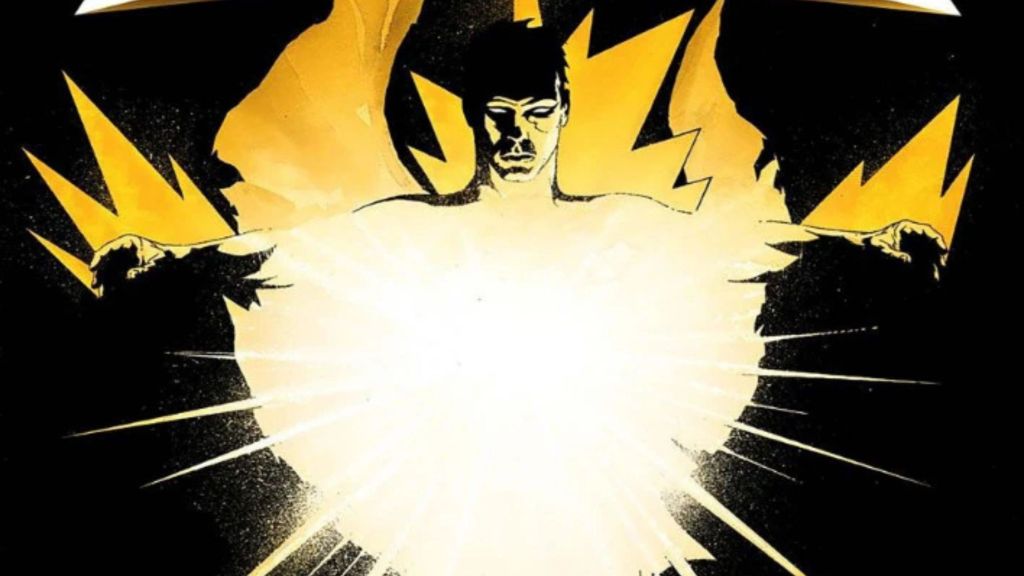 Image Courtesy of Marvel Comics
I wasn’t online back in 2001, when the hoax was revealed, so I don’t know what the reaction was by a large subsection of fans. The letters page in Wizard (always one of the best parts of the magazine, especially when Jim McLaughlin was writing the responses) printed mostly positive letters about the whole thing, and personally, I was amused it. It was the kind of joke that you could have only gotten in the comic industry at the time, and it’s one of the reason I’ve loved the Sentry ever since. However, the sheer audacity of the whole thing is kind of mindblowing (and yes, Stan Lee was in on it, in case you’re wondering).
It’s the kind of thing that could have backfired immensely on everyone involved. It’s a fairly innocuous lie, but often fans in niche communities do not like to be tricked by the people who make the work they love. Comic fans can be a contentious lot (cue the Groundskeeper Willy meme), and I feel like if this same thing happened today, it would cause some kind of an uproar. However, 26 years ago, it was one of the fun little things that made being a comic fan so special.
What do you think? Leave a comment in the comment section below and join the conversation on the ComicBook Forums!