
Hollywood’s obsession with recognizable brands leads major studios to greenlight unexpected projects. For instance, Mattel Films is currently moving forward with a high-concept supernatural television series based on the Magic 8 Ball with M. Night Shyamalan and Brad Falchuk, alongside a surrealist Barney film produced by Daniel Kaluuya and even a live-action/animated hybrid Whac-A-Mole project. However, while the success of 2023’s Barbie proved that toy-based media can achieve cultural relevance, the genre is also littered with significant failures, as the attempt to turn the board game Battleship into a sci-fi blockbuster resulted in a massive financial loss, while 2019’s Playmobil: The Movie failed to find an audience. Still, over a decade ago, a project that was initially dismissed as a cynical commercial exercise defied all expectations to become a definitive cultural sensation.
When Warner Bros. first announced The LEGO Movie, the project was met with widespread skepticism from critics and audiences alike. Unlike traditional action figures or dolls that come with pre-packaged backstories, LEGO bricks are essentially blank slates designed to foster creativity rather than a unified lore. Because the brand’s core philosophy encourages children to build whatever they can imagine, the idea of a scripted narrative felt fundamentally at odds with the product’s purpose. Nevertheless, upon its debut twelve years ago on February 7, 2014, The LEGO Movie became a critical darling and a major box office hauler, eventually grossing over $470 million worldwide. This success was achieved through a sophisticated metalinguistic approach to the plot and a revolutionary animation style that transformed the plastic aesthetic of LEGO into an expressive world.
The LEGO Movie Is Still One of the Best Animations Ever
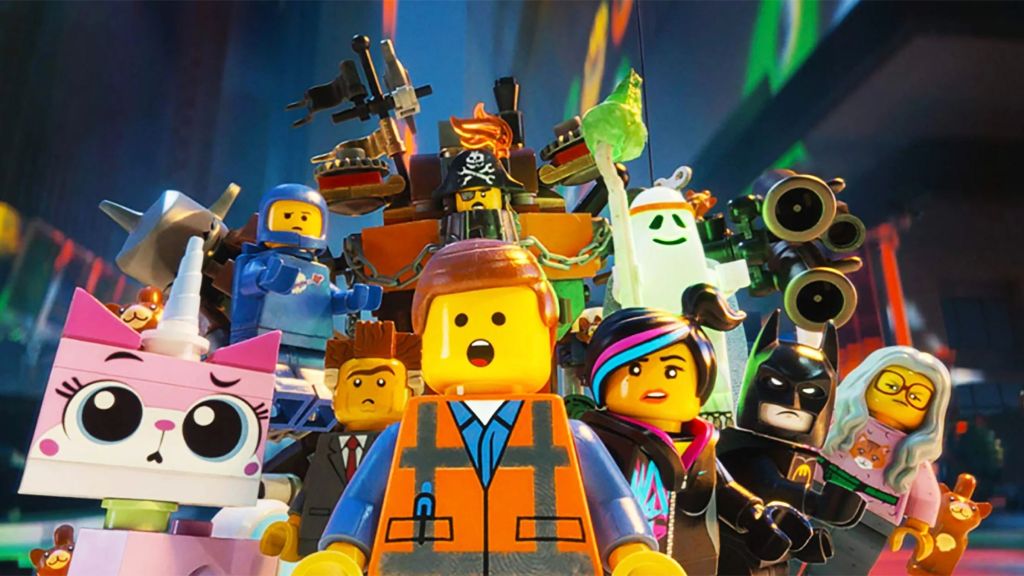 Image courtesy of Warner Bros. Pictures
The first reason for The LEGO Movie‘s enduring legacy is its commitment to a unique artstyle. While most digital productions utilize CG to create smooth environments, the team at Animal Logic chose to work within the physical constraints of actual plastic bricks. This meant that every explosion, ocean wave, and smoke cloud on screen was constructed from individual digital LEGO components, requiring over 15 million bricks to render the entire world. To sell the illusion of a handmade production, the animators even included simulated imperfections such as fingerprints, dust, and seam lines on the character models. Consequently, the film possesses a tactile texture that makes the journey of Emmet Brickowski (voiced by Chris Pratt) feel like it is occurring on a bedroom floor rather than a server bank. More than just a quirky artistic choice, Animal Logic’s aesthetic discipline serves the movie’s core themes.
The conflict of The LEGO Movie centers on Lord Business (voiced by Will Ferrell), a tyrannical leader who seeks to use the Kragle—a tube of Krazy Glue—to permanently fix the universe in a state of static perfection. This motivation provides a sharp critique of the “LEGO collector” mindset that prioritizes display over play, contrasting it with the chaotic ingenuity of the Master Builders like Wyldstyle (voiced by Elizabeth Banks) and Batman (voiced by Will Arnett).
At its core, The LEGO Movie opposes the people who follow building manuals as law and those who want to use their imagination to change the world. With that perspective, the film’s most radical choice is its total deconstruction of the “Chosen One” trope. When Vitruvius (voiced by Morgan Freeman) admits the prophecy of the Special was a fabrication, the story shifts its focus, arguing that Emmet is important because he chooses to be. In short, the lesson of The LEGO Movie is that everyone possesses the capacity for meaningful creation.
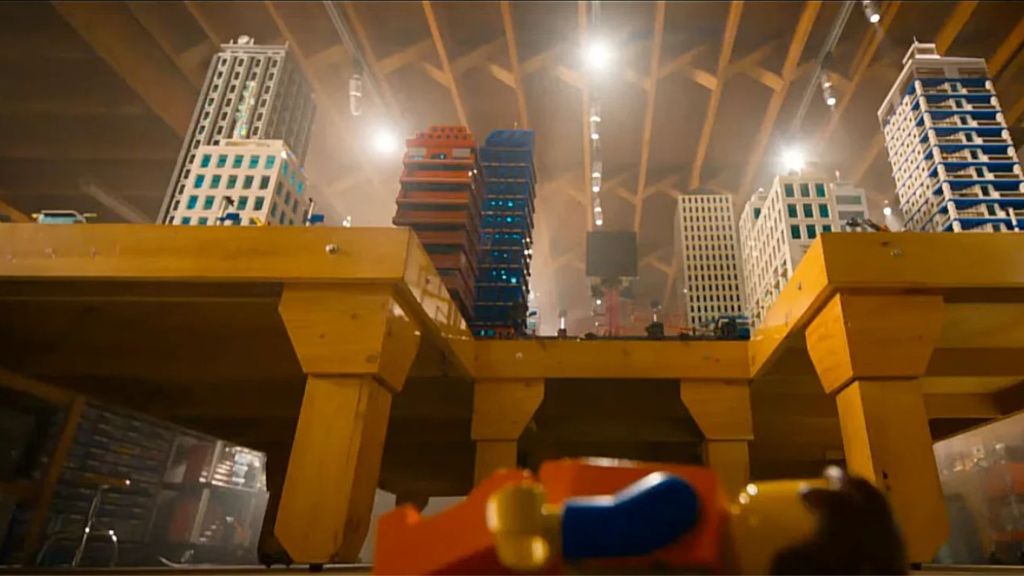 Image courtesy of Warner Bros. Pictures
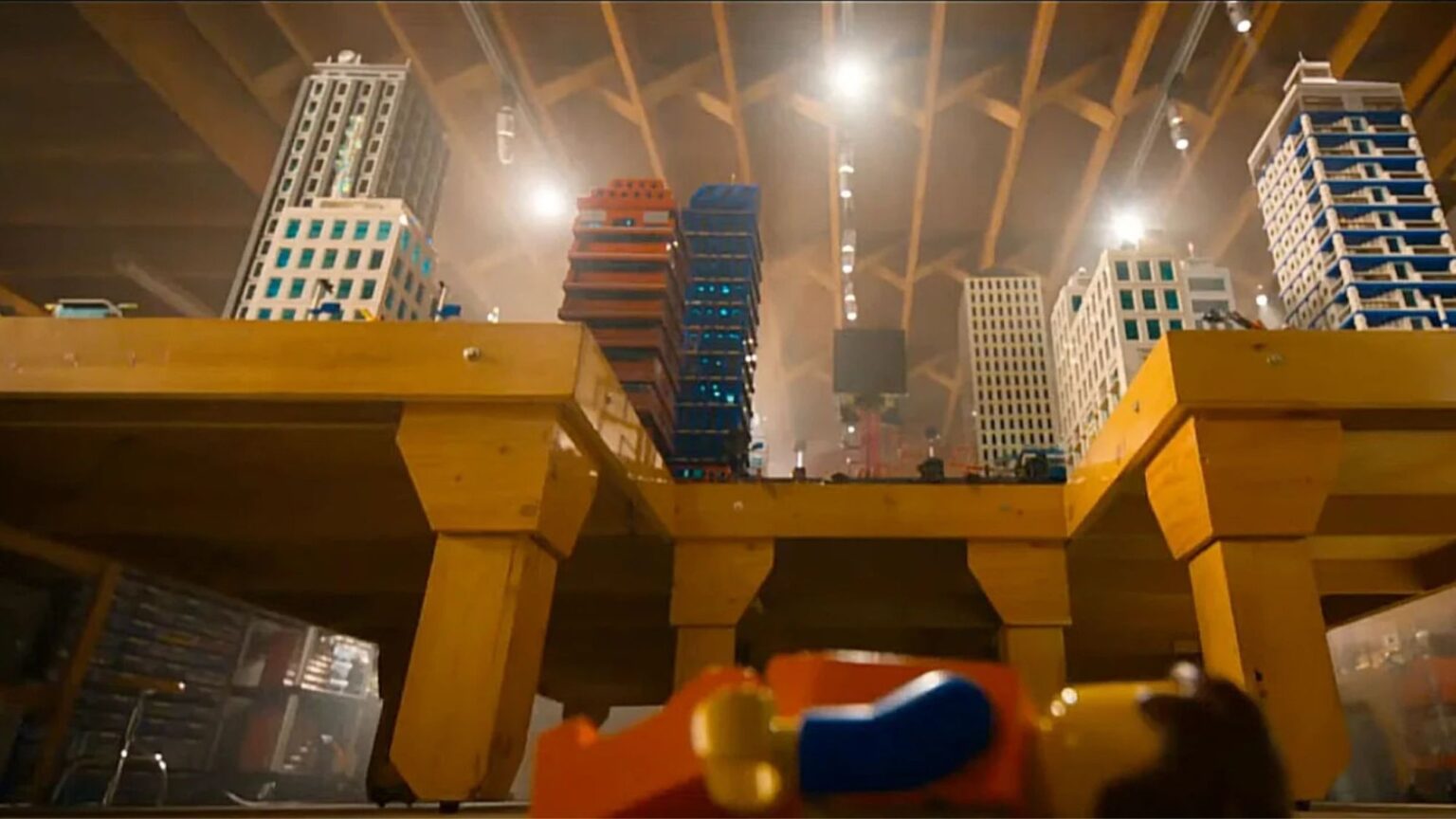
Ultimately, the most brilliant aspect of The LEGO Movie is its metalinguistic pivot into the real world. The third arc reveals that the entire story is being created by a young boy (Jadon Sand) playing with the LEGO sets of his father, “The Man Upstairs” (Will Ferrell). The twist recontextualizes the previous hour of animation, acknowledging that while LEGO sets come with specific goals, the true value of the toy lies in the ability to incentivize children to break those rules and build something entirely new. This philosophical depth ensures that The LEGO Movie remains a foundational achievement in 21st-century animation, as it successfully captured the fleeting magic of childhood play and translated it into a sophisticated cinematic experience.
Sadly, The LEGO Movie and its sequel, The LEGO Movie 2: The Second Part, are currently unavailable to stream.
What was your reaction to The LEGO Movie‘s big twist? Leave a comment below and join the conversation now in the ComicBook Forum!