
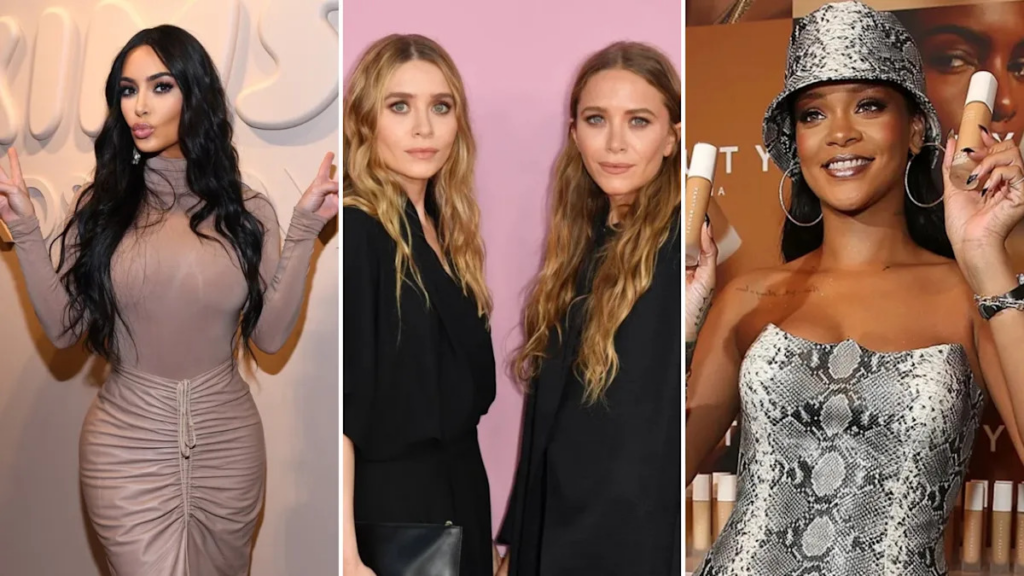
Celebrity brands often shape what you wear, what you pack, and what you apply to your skin. But a February 2026 study by custom packaging company Arka suggests that some of the most popular names in fashion and beauty also carry a heavy environmental cost. The report ranked celebrity-founded companies based on their carbon emissions, supply chains, and sustainability practices.
How the study measured environmental impact
Arka examined each brand’s annual emissions, production volume, and revenue to build a clear comparison. The research measured carbon footprint per product and per dollar earned, so both luxury and mass-market brands could be assessed fairly. These figures were combined into a Carbon Footprint Index scored from 0 to 100, with higher scores showing greater environmental harm.
Close-up of a recycled fabric clothing tag held in hand with sustainable clothes on wooden hangers. Eco-friendly fashion and ethical textile label for conscious consumers.
(Kostikova via Getty Images)
The study also reviewed sustainability policies, ethical sourcing, and certifications such as cruelty-free labels. Brands without third-party verification scored lower in environmental responsibility. When the data was compiled, several major names in fashion and beauty landed at the top of the least eco-friendly list.
The Row tops the list
The Row, founded by Mary-Kate and Ashley Olsen, ranked as the least sustainable celebrity brand. The luxury label emits nearly 500 kilograms of carbon for every piece of clothing sold, far higher than most fashion brands. Despite selling around 22,700 units annually, it generates more than 10,000 tons of emissions each year.
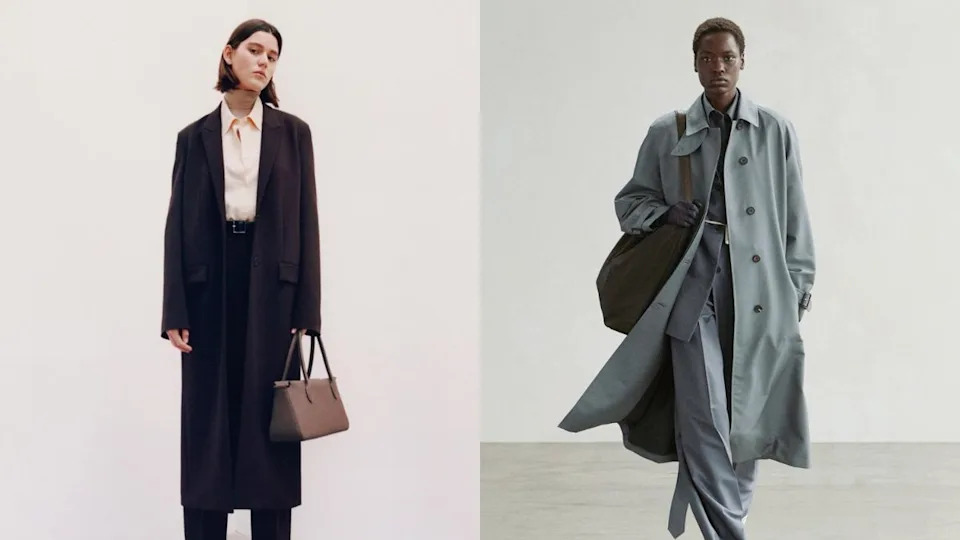
The Row’s refined, minimalist designs have defined modern luxury while raising questions about production impact.
(The Row)
Its high price point, with bestsellers averaging over $3,000, reflects complex materials and production processes. Luxury garments often require more resources, specialized craftsmanship, and detailed shipping. That model results in a high carbon intensity per product, pushing The Row to the top of the index with a score of 48.7.
SKIMS and the impact of scale
Kim Kardashian’s SKIMS ranked third overall, but it produces the highest total emissions. The brand generates more than 136,000 tons of carbon each year due to its massive production scale. With nearly 20 million units sold annually and revenue reaching $1 billion, volume drives its overall footprint.

SKIMS has built a mass-market shapewear empire that now faces questions about its large-scale carbon footprint.
(SKIMS)
On a per-product level, SKIMS emits around 7 kilograms of carbon, which is far lower than The Row. However, the sheer number of items sold increases its total environmental impact. The study highlights how mass-market success can translate into large-scale emissions even when individual items seem efficient.
Other brands under review
Béis Travel, founded by Shay Mitchell, ranked second with 65 kilograms of emissions per product. Travel goods require more materials and heavier shipping, which raises environmental costs. The brand also scored low in human sustainability and lacks major third-party certifications.

Travel brands founded by celebrities, including Béis, are now being evaluated for their environmental impact alongside fashion labels.
(Béis)
Fenty Beauty by Rihanna and Fabletics by Kate Hudson also appeared in the top five. Beauty products tend to carry smaller footprints per item, yet annual emissions remain significant due to high sales volumes. The research suggests that even brands seen as modern and inclusive still face challenges in reducing carbon output.
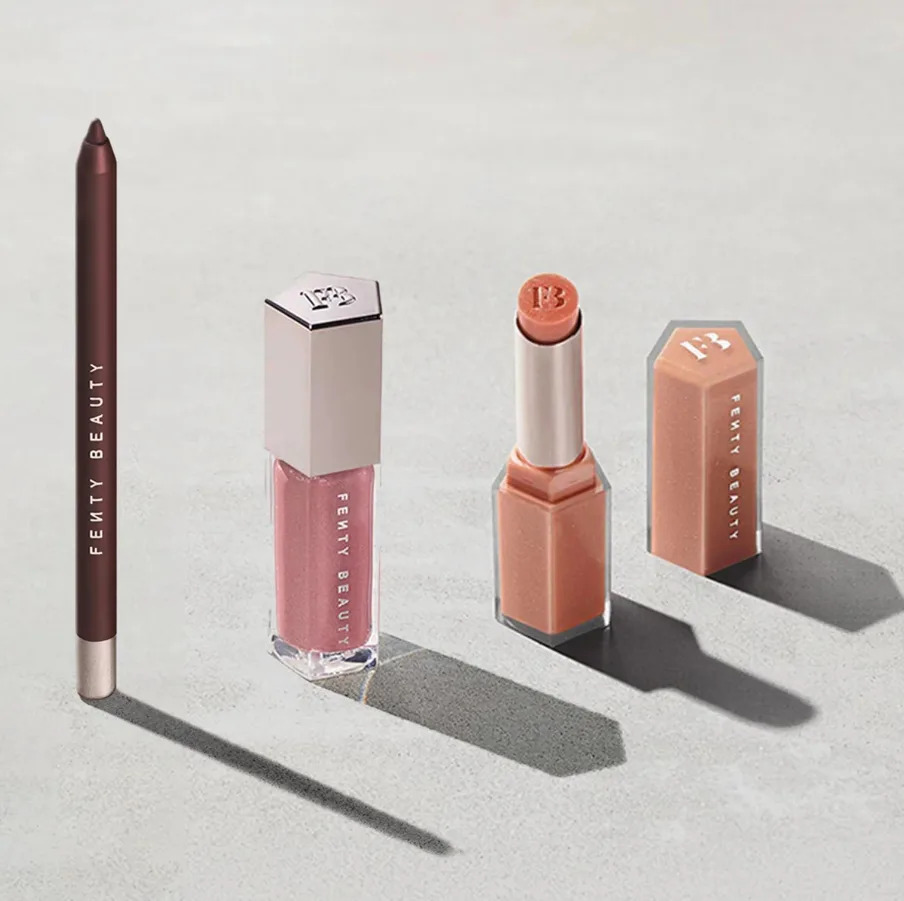
Beauty brands like Fenty continue to expand their product ranges while navigating sustainability expectations.
(Fenty Beauty)Why celebrity influence matters
According to Arka’s sustainability consultant, the clothing industry accounts for about 10% of global carbon emissions. That is more than international flights and shipping combined. When celebrities enter this space, their reach and resources create both opportunity and responsibility.
Consumers are paying attention, with 55% of Americans now checking if products are eco-friendly before purchasing. If you support celebrity brands, you may want to look beyond style and price. Transparent supply chains, sustainable materials, and verified certifications are becoming just as important as trend appeal.