
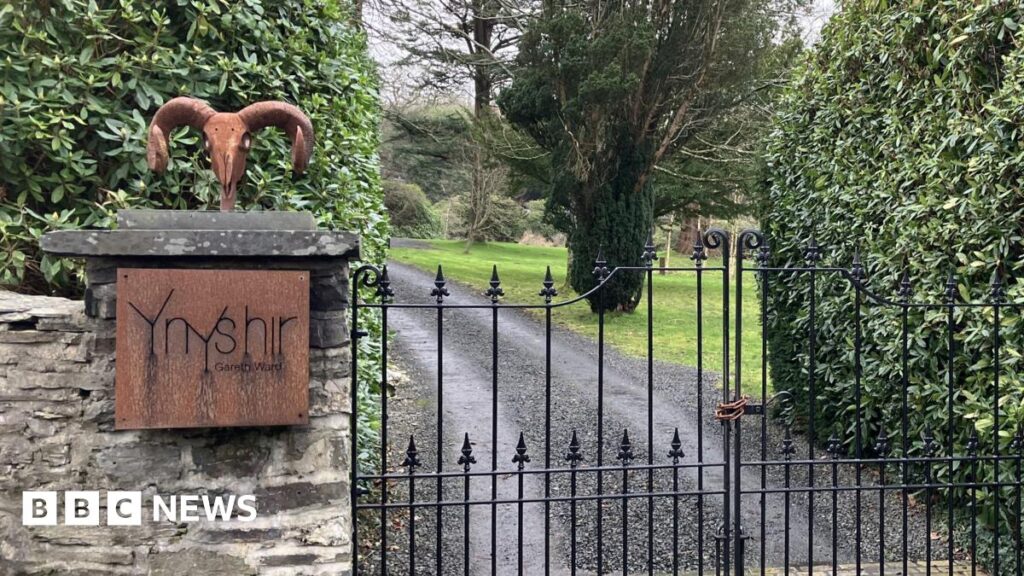
The restaurant maintains its approach is “intentionally non-conventional” and has “played a key role in placing Wales on the international culinary map”.
It added the inspection “identified a small number of minor issues typical of a busy professional kitchen situated in the countryside of rural Wales” which had been “rectified immediately and in full”.
It said biological testing, at “significant cost” to the restaurant, had “conclusively confirmed that our techniques are safe, compliant, and appropriate”.
A restaurant spokesperson also claimed there were also factual inaccuracies in the findings, “for example, the report states that UV light referenced in our specialised HACCP documentation was not seen [when] a UV light was installed, operational, and in use within the aging chamber during the inspection”.
“A Japanese knife was referred to as being dirty when actually the knife has just been sharpened and was seen part way through the cleaning process,” they added.
Ynyshir said all action points had now been completed, with the team awaiting the council’s next visit.
It said it was prepared to work constructively with the council but expected “an informed, consistent, and fair assessment process that recognises the realities of modern, non-conventional restaurants”.
Food critic Giles Coren previously came out in support of the restaurant, claiming Michelin-starred restaurants should not have to abide by normal health and safety rules.
Ceredigion council said inspections were carried out in line with national standards set by the FSA and, between April and December 2025, 90% of inspected premises in Ceredigion achieved a food hygiene rating of between three and five out of five.