
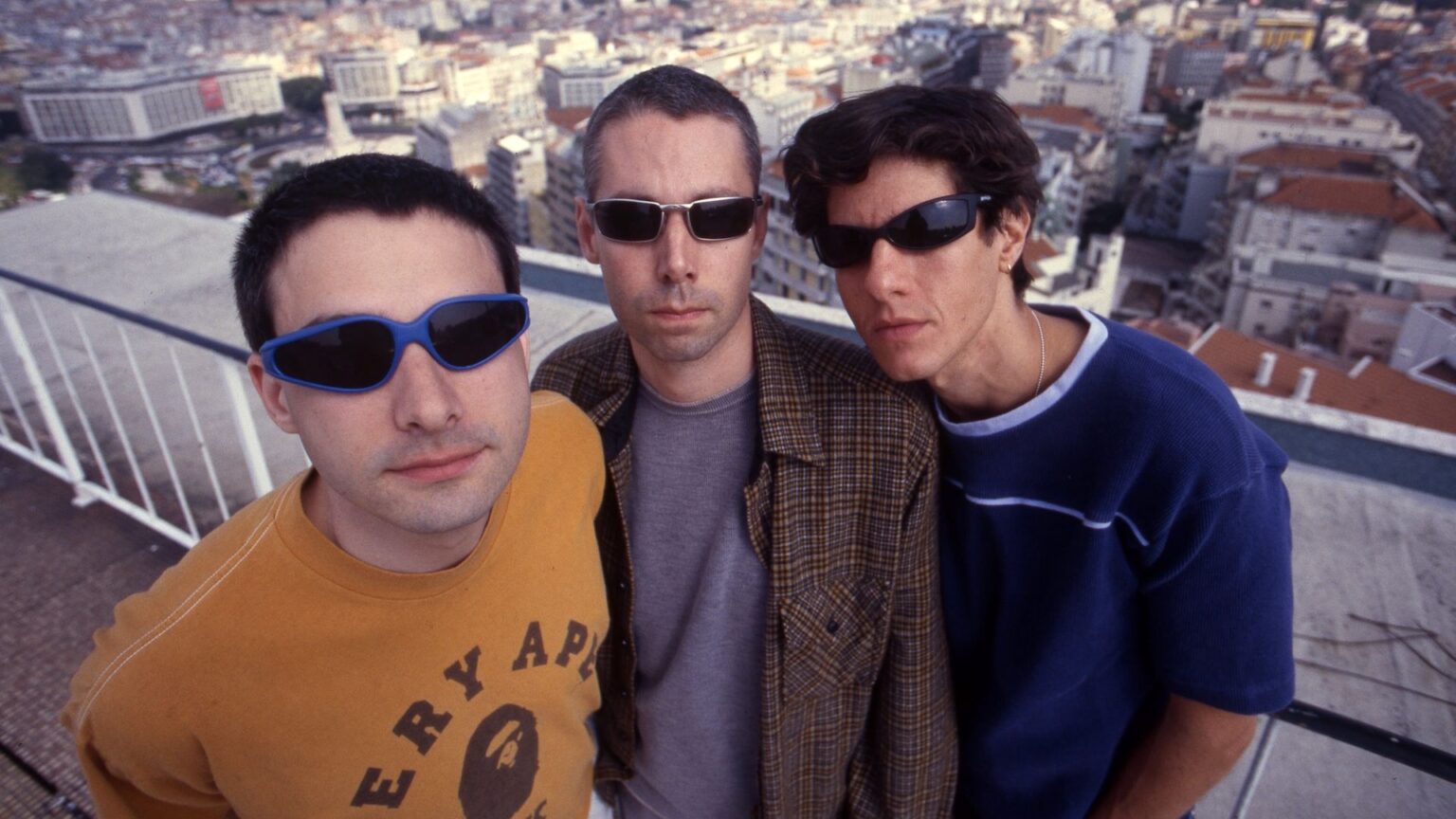
In 1992, Beastie Boys toured extensively in support of their third studio album Check Your Head, choosing to curate their hour-long sets with songs that required guitar, bass and drums rather than simply rely on turntables and samplers.
Joined by front-of-house engineer Mario Caldato Jr and unofficial fourth member and keys specialist ‘Money Mark’ Nishita, the trio – Michael Diamond (drums), Adam Yauch (bass) and Adam Horovitz (guitar) – played 123 shows around the world.
While their tour laundry was still drying on their radiators, the group immediately began work on their fourth album with a two-month stay at New York City’s Tin Pan Alley studio early the following year.
“By the end of that cycle of touring, we’d grown comfortable with the musical language we’d developed together,” Diamond wrote in the Beastie Boys’ book, titled Beastie Boys Book. “Yauch lobbied for us to do the first stretch in New York. He missed his friends and family.”
That year of solid touring gave the group and unshakeable confidence in the studio; Caldato would record them as they fleshed out ideas or jammed just for the fun of it. One of Yauch’s bass lines caught Diamond’s attention; it was so catchy, he assumed it was something his friend had learned from a record.
“He was working on his bass sound with the Super Fuzz pedal that he loved, and he came up with that riff and kept jamming it for a while,” Caldato told Sound on Sound. “He’d really get deep into stuff and focus hard on it… it’s really the bass riff that drives and makes the song.”
You may like
Beastie Boys – Sabotage (Official Music Video) – YouTube
Watch On
One studio hand – an “indifferent” employee named Chris – sat up and paid attention to this raucous instrumental.
“He was a super-nice guy but not particularly a b-boy head,” writes Horovitz in the band’s book. “Meaning, he was indifferent about the music we were making. He was just at his job. But when Yauch and Mike started really playing this track, Chris went nuts for it.”
With the takes in the bag, the track – now with a working title of Chris Rock, just because Chris thought the song rocked – was quietly filed away as work continued at their own G-son studio 2,790 miles away in Atwater Village, Los Angeles.
Beastie Boys were at their creative peak and the ideas were plentiful. Their new material was being shaped by funk, punk, jazz fusion, hardcore and dub reggae, but the trouble was, they were having difficulty completing the album. Producer Caldato – a mild-mannered Brazilian man who apparently never swore and liked to keep the studio tidy – was starting to lose his rag with his charges.
(Image credit: Martyn Goodacre/Getty Images)
Towards the very end of the studio sessions, the group revisited the instrumental and Caldato’s rapidly thinning patience became the inspiration for the final song of the sessions.
“We were totally indecisive about what, when, why and how to complete songs,” remembers Horovitz. “Mario was getting frustrated. That’s a really calm way of saying that he would blow a fuse and get pissed off at us and scream that we just needed to finish something, anything, a song. He would push awful instrumental tracks we made just to have something moving toward completion.”
When we’d play it to people, they’d freak out. That’s what the record needed.
Producer Mario Caldato Jr.
“This one [Chris Rock] called for some good old-fashioned screaming, for sure,” he adds. “It had to be dealt with. I decided it would be funny to write a song about how Mario was holding us all down, how he was trying to mess it all up, sabotaging our great works of art.”
Horovitz quickly recorded the lyrics at Caldato’s home studio using a handheld microphone to give the track some added grit and urgency to complement Yauch’s raspy, chugging bass line. The song – now titled Sabotage – was complete, drawing the lengthy sessions to a close.
“It just had so much more energy and sounded so different,” says Caldato. “When we’d play it to people, they’d freak out. That’s what the record needed.”
The song was released in January 1994 as the first single from their fourth studio album, Ill Communication.
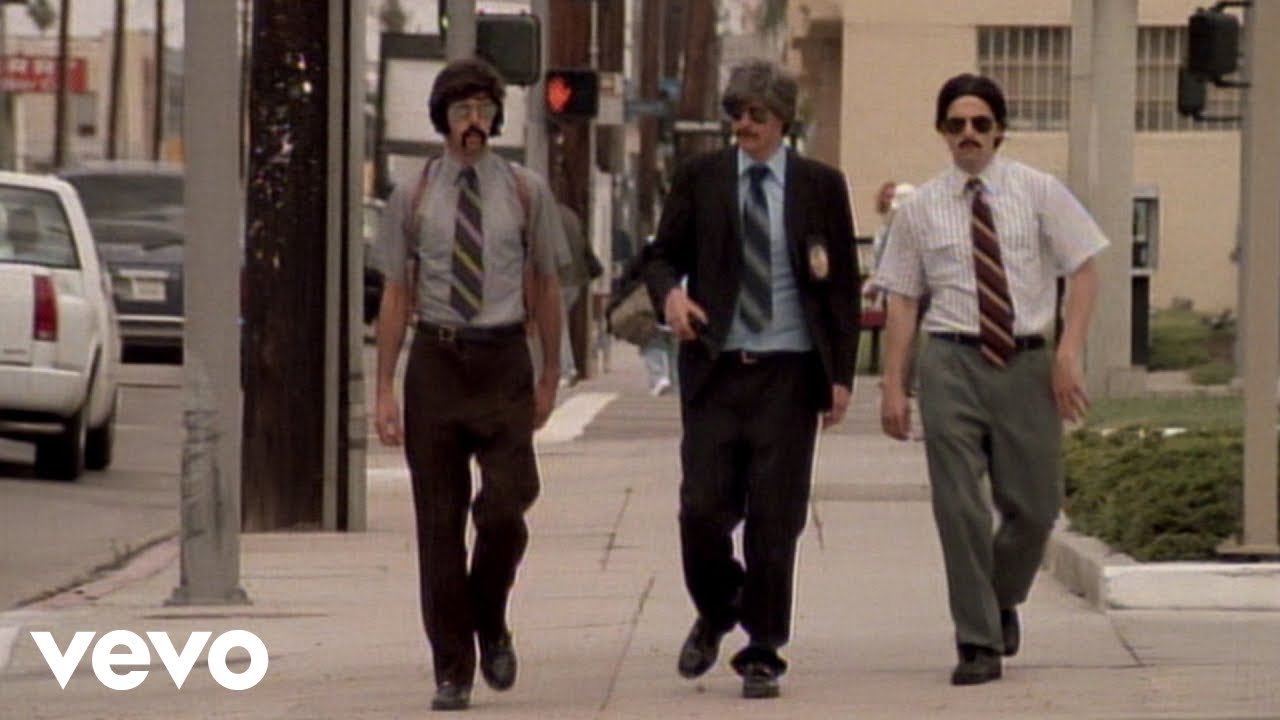
Directed by Spike Jonze, the song’s iconic video saw the trio parody 1970s US cop shows with an array of bad wigs, moustaches and a healthy dose of comic violence.
The promo clip’s narrative arc was given gravitas thanks thoughtful appearances from IMDb-absent actors Sir Stewart Wallace (as himself), Nathan Wind, Vic Colfari, Alasondro Alegré and Fred Kelly. It debuted in early 1994 and was nominated for five awards at the 1994 MTV Video Music Awards. Parks and Recreation star Amy Poehler believes that without the Sabotage video, Anchorman, Wes Anderson or The Lonely Island would not exist.
To date, the song is their most popular song on Spotify, with over 511 million streams, double that of their 1987 hit No Sleep till Brooklyn.