
Opinion and ideas
Sunday 15 February 2026
With no good outcome likely for the former Prince in the Epstein scandal, the House of Windsor could finally fall apart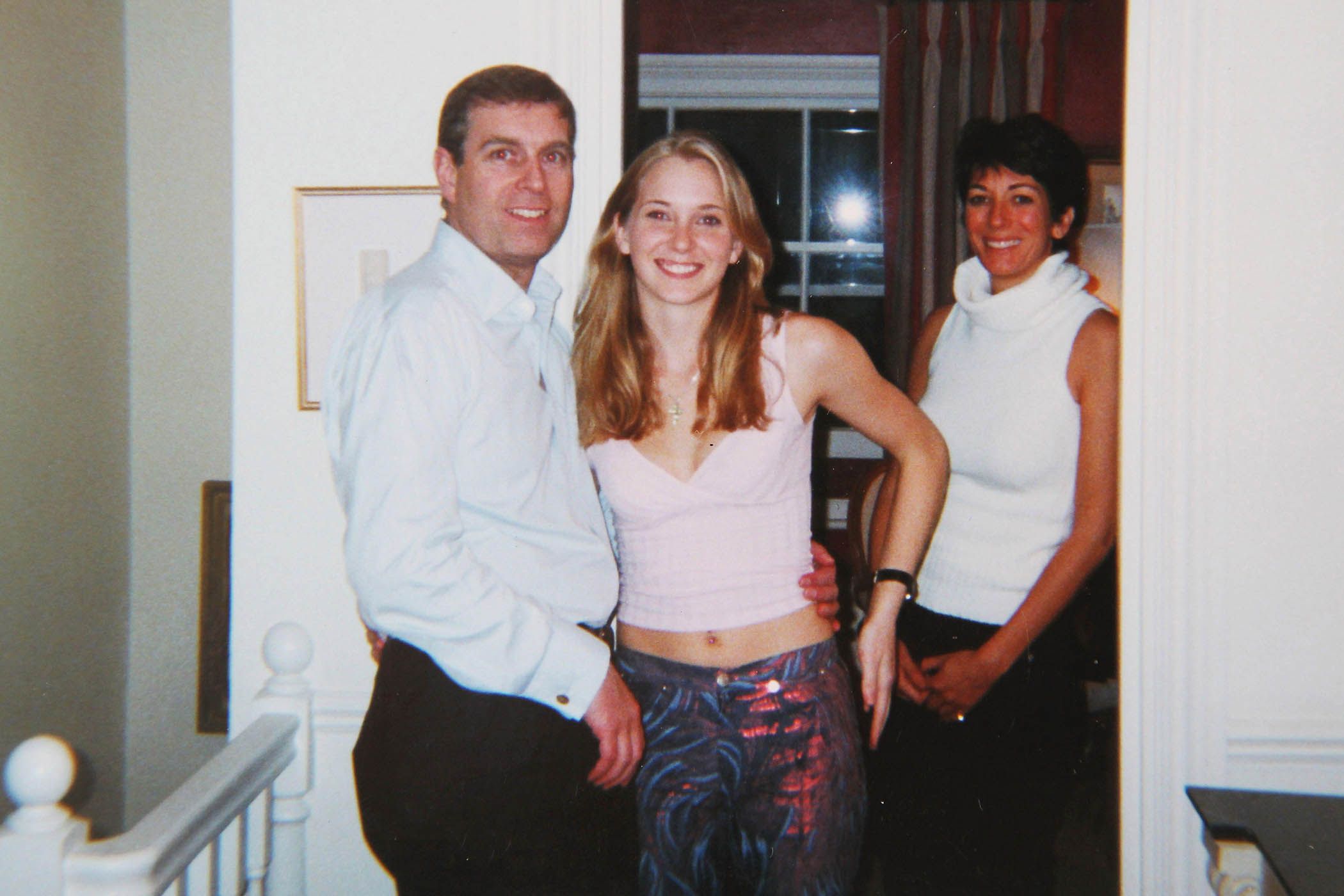
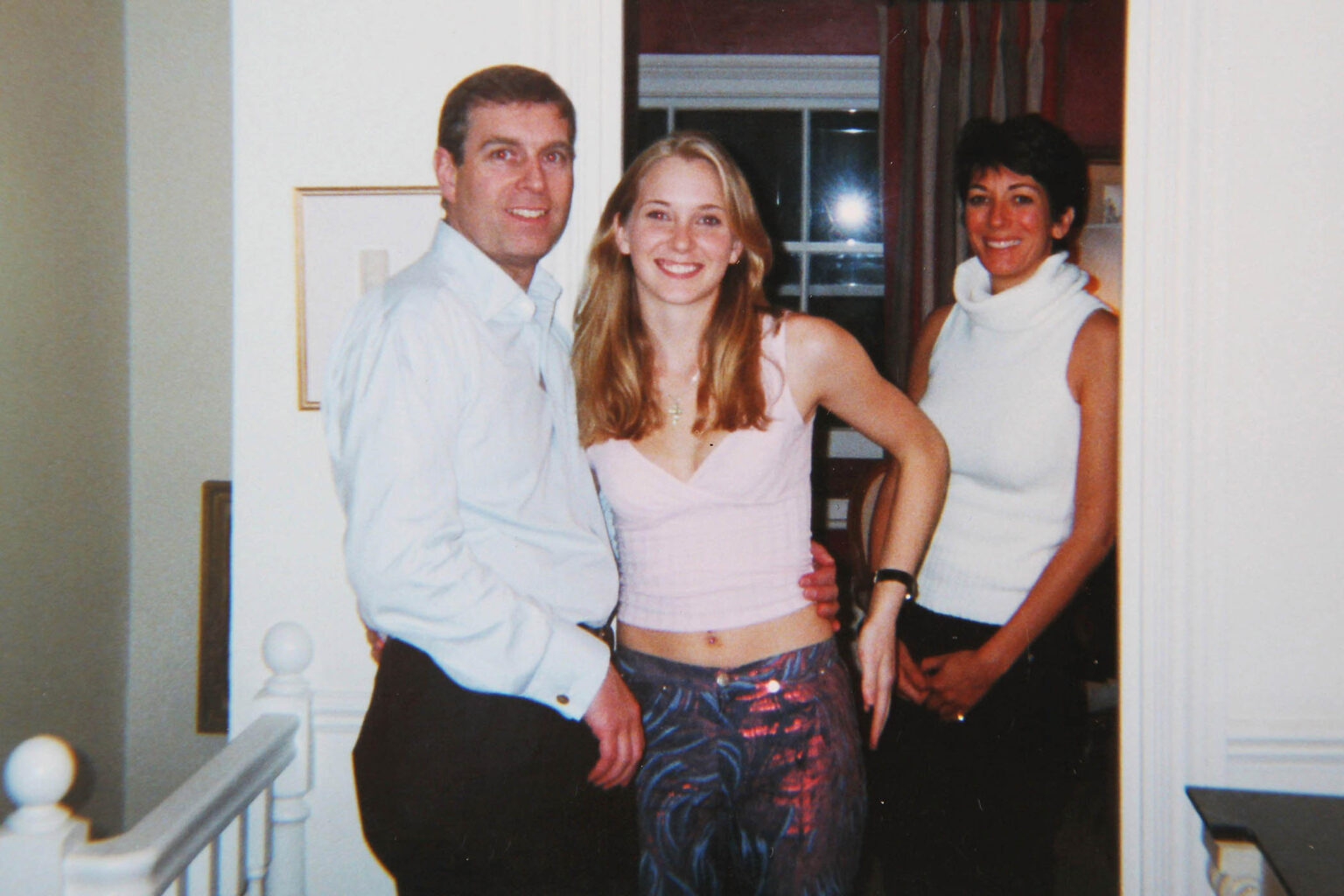
Prince Andrew with Virginia Roberts (later, Virginia Giuffre) and Ghislaine Maxwell, 2001

Will HuttonColumnist
Share
The institution suffering the most existential threat from the Jeffrey Epstein papers is not within or part of the American political system: it is the British monarchy. It has survived unscathed the 1936 abdication crisis and the divorce and death of Diana, Princess of Wales in the 1990s, but the Andrew Mountbatten-Windsor affair trumps them all. It threatens to shatter the carefully constructed story on which the appeal and legitimacy of the House of Windsor depends.
Universal suffrage and massive social change were potentially the twin death knells of the monarchy as Britain entered the 20th century. Political and constitutional status should be earned through votes rather than ascribed through birth. In 1911, the Parliament Act stripped the House of Lords, then entirely populated by hereditary peers, of its veto powers; Britain’s bicameral parliament of two equal houses – one hereditary – was dead. How long would it be before the monarchy followed suit?
But by redefining itself as an extended family committed to public service with only a performative constitutional role, and playing down the hereditary nature of their legitimacy, the royals have dodged the bullet. The Duke of Windsor and the Prince of Wales loving the wrong woman were understandable crises that could hit any family; many could sympathise. The royal family was proving it was as human as everyone else.
Elizabeth II’s obvious decency and unflagging commitment to duty, while simultaneously symbolically ensuring that her whole family joined her on the balcony of Buckingham Palace, sealed the deal. She was our queen, certainly; but she was also a wife, mother and sister. Prince Philip was the perfect foil: a consort, father and prince – but never a co-monarch.
Now one of the brood he fathered threatens to bring down the whole house of cards. Andrew’s firm friendship with Epstein was in full swing by 1999. Now that Andrew was divorced, Epstein, a supreme networker, opened doors and offered him introductions to women (and money to his ex-wife) in exchange for bathing in the halo of royalty.
In 2001, a photo was taken of Andrew with Virginia Giuffre, who alleged they had sex three times, which Andrew has consistently denied. In 2022, he paid a reported £12m to her, a woman who he said he could not recall ever meeting. Most of the cash is said to have come from his mother and father’s estate, with the balance topped up by other family members. King Charles denies he contributed.
Up until the recent round of disclosures, the family had kept ahead of the scandal; stripping Andrew of his title and insisting he move out of the grace and favour Royal Lodge in the grounds of Windsor Great Park, complete with his collection of 72 teddy bears. Now there are three more elements to the story that cumulatively could present an unmanageable tipping point.
First, as Gordon Brown set out powerfully in last week’s New Statesman, the latest bout of evidence reveals the mind-boggling scale of Epstein’s trafficking of young women, many underage, for sex – which seems part of this evil global business. There were an estimated 90 flights from the UK alone, of which at least 15 took place after Epstein’s 2008 conviction, including British girls as passengers and others from round Europe. Andrew must, insists the former prime minister, given the scale and extent of harm that has and is being done, be questioned by police to reveal all that he knows.
Second, as the BBC has set out vividly in a succinct, short, seven-minute report, Andrew plainly lied to Emily Maitlis in the infamous 2019 BBC Newsnight interview. His relationship with Epstein was much more extensive and went on far longer than he acknowledged, and in which misogynistic male joshing over sex – “play some more soon” or Epstein promising him dinner with a beautiful Russian 26-year-old who was “trustworthy” – was integral. Andrew knows much more than he has let on.
Charles has to be brutal. He has to urge an inquiry and insist Andrew testifiesCharles has to be brutal. He has to urge an inquiry and insist Andrew testifies
Last, was his ready and speedy passporting to Epstein of classified papers from his work as trade envoy, for potential commercial advantage. This must be investigated as potential misconduct in public office, for which the penalty involves a lengthy prison sentence.
NewslettersChoose the newsletters you want to receive
Clear, calm analysis on the stories driving the day’s news.
The very best of our journalism, reviews and ideas – curated each day.
A dispatch from The Observer’s kitchen table – from Nigel Slater’s recipes to interviews, features and hot tips.
For information about how The Observer protects your data, read our Privacy Policy
The tale of the royals as a family is coming apart: Prince Harry is estranged and there is no good outcome to the Andrew affair. To escape investigation and potential prosecution would be as odious as serving time. Here, Charles and the prime minister have to be brutal. The line that Charles will support the police in any inquiry is not good enough; he must urge an inquiry, insist Andrew testifies to the US Congress and require him to live with the consequences.
As matters stand, nobody can know, given the permitted opacity of the crown’s finances, how Andrew could find £12m so quickly and from whom. Charles’s wealth is estimated at £640m, but if all the property, palaces, assets and the Duchy of Lancaster are included, it could top £2bn. It is time light was shone on all this, with the crown paying taxes on the same terms as every other citizen. The royal family should never have had the scale of undisclosed, untaxed resources to bail out one of its own.
Equally, our constitution needs a root and branch overhaul. There are too many monarchical legacy overtones – ministers swearing fealty to the crown and not the people, Henry VIII’s powers, royal assent to laws, the crazed system of freehold and leasehold property tenure – that need reform or abolition. If Britain is to continue with a monarchy, it needs to be more transparent, less grandiose, less expensive and with a radically scaled-back, formal constitutional role, however performative – a direction of travel Prince William seems ready to entertain. On the 250-year anniversary of US independence, paradoxically, it could be Britain that lives democratic values better than its former American colonies.
Photograph by Capital Pictures