
(Credits: Far Out / Focus Features)
Fri 20 February 2026 16:45, UK
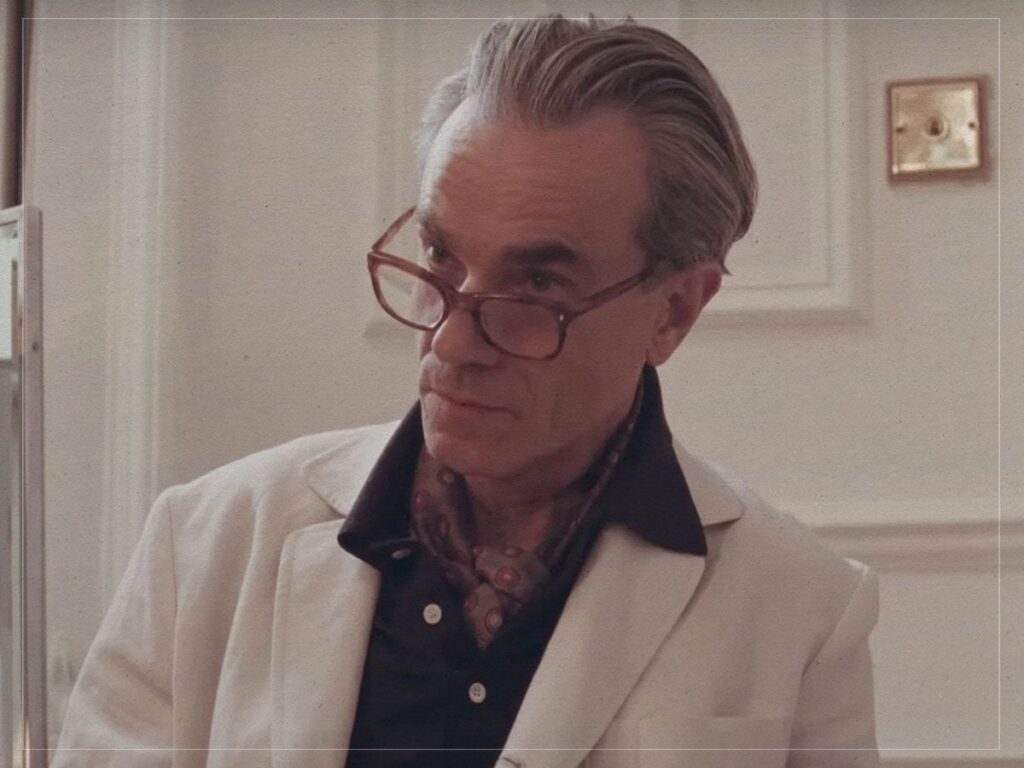
It’s largely accepted among film fans that Daniel Day-Lewis is the greatest living actor, and possibly the best within the history of cinema.
While the process of method acting is controversial, Day-Lewis immerses himself in roles to the point that it’s impossible to see him as a résumé. However, a consequence of his extreme dedication to his chosen projects is that he doesn’t work nearly as frequently as many of his peers.
On one hand, great actors like Sam Rockwell or Ralph Fiennes make several films in a single year, but it often takes Day-Lewis a half-decade to prepare for a part, and up until his most recent role in Anemone, many believed that he had retired from the industry altogether. As a result of his selective process, there are many genres that the man has never dipped his toes into, such as science fiction, fantasy, broad comedy, or voiced an animated film.
When it comes to westerns, however, he has only approached the genre in the abstract, with two of his most famous performances found in There Will Be Blood, which shares a good deal of iconography with classic westerns, even if it isn’t considered to be a traditional entry in the genre, and Last of the Mohicans, which is certainly a historical epic, although some could also consider it to be a revisionist western.
Nonetheless, while the category remains highly influential on the history of cinema, with many classics of the genre among the most acclaimed films ever made, the actor admitted that he doesn’t share the same admiration that others do for some of the most beloved leading men who have starred in multiple westerns.
“I do not like John Wayne,” he flatly admitted, “I find it hard to watch him. I just never took to him, and I don’t like Jimmy Stewart as a cowboy. I love him, but just not as a cowboy”.
Day-Lewis’ comments aren’t all that surprising, as the westerners that Wayne made were generally considered to be more easily described as entertainment than they would be as high art; however, the actor did have much more fondness for one of Wayne’s contemporaries.
“I don’t particularly like westerns as a genre, but I do love certain westerns,” Day-Lewis said, “High Noon means a lot to me. I love the purity and the honesty. I love Gary Cooper in that film, the idea of the last man standing.”
Directed by Fred Zinnemann, High Noon was a brilliant western in which Cooper plays a sheriff on the verge of retiring, as he is preparing to be wed to his young fiancée, played by Grace Kelly. However, his future is threatened upon the realisation that a group of criminals will be entertaining the town, meaning that he will have to choose between marriage and duty. It was a highly acclaimed film that was almost instantly heralded as a classic, and ended up winning Cooper the Academy Award for ‘Best Actor’.
The film was unique because it offered a more well-rounded portrayal of the western hero, which was considered to be controversial by some purists of the genre. In fact, Wayne and director Howard Hawks would later team up to make Rio Bravo, a film that was designed to be the opposite of High Noon. Although the debate between the two is one film fans have kept alive even today, it’s pretty clear which side Day-Lewis supports.
The Far Out John Wayne Newsletter
All the latest stories about John Wayne from the independent voice of culture.
Straight to your inbox.