
(Credits: Far Out / Press)
Mon 23 February 2026 0:30, UK
When you’re struggling to find meaningful work in any industry, you can often find yourself falling into a trap of thinking that something will be good for you and ultimately discovering that it wasn’t exactly what you’d hoped for.
A lot of us have found ourselves in these positions of desperation where we think we’ve uncovered the key to happiness in our employment, only to find that it was a glimmer of false hope that was leading us astray. This even applies to musicians, who, despite seeming like they’ve got it easy by doing something that they both love and are good at, can find themselves in positions where they’ve pursued the wrong project and ended up with a greater feeling of emptiness than they started with.
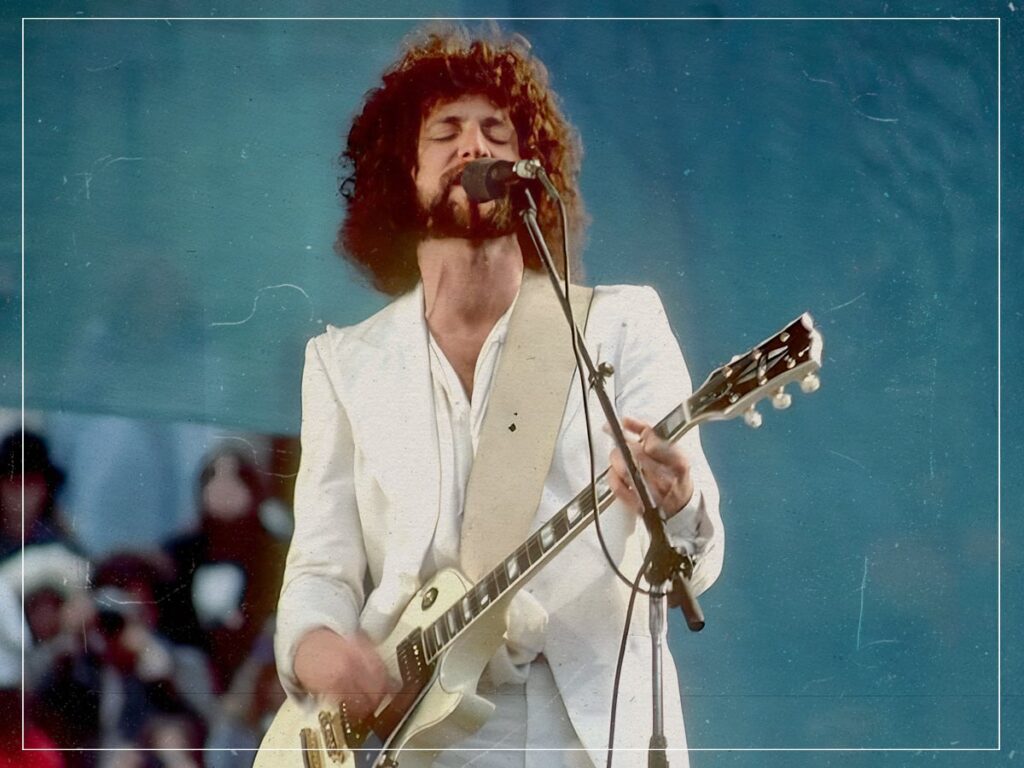
You might think that Lindsey Buckingham always had it pretty easy, given how celebrated he is for all of his different musical endeavours, but this hasn’t always been the case, and in the early 1970s, he was going through a rough patch whereby he wasn’t able to gain any traction for any of his work. Despite having been part of the industry since 1966, he’d only really found temporary work as a touring or session musician, and this wasn’t exactly helping his situation.
It wasn’t until 1973 that he had his first release alongside Stevie Nicks, having recorded a number of demos with his then-girlfriend the year before. Their one and only full-length album, Buckingham Nicks, was poorly received upon release, and he was left trying to pick up the pieces again, but before he’d even had this setback, an even more despairing situation had got him feeling down about his career prospects.
Around the same time, Don Everly was also having trouble with his own artistic endeavours, having agreed with his brother Phil that the Everly Brothers would go their separate ways and attempt to forge their own separate solo careers. However, this proved to be tougher than initially expected, despite their chart dominance as a duo in the 1950s and ‘60s.
Through his friend, songwriter Warren Zevon, Buckingham found out about there being an opportunity to work alongside the senior Everly brother on his first solo tour, and according to his account in a 2008 interview with Magnet Magazine, he thought that this might be his golden opportunity to get his foot in the door.
“There was an opening for a guitar player, and I got the gig,” Buckingham revealed. “But the problem with that situation was that Don was wrestling with this idea of wanting to be Don Everly on his own, which is understandable.”
He continued by explaining that the pressure that Everly was facing after going solo was too much to handle. “We were playing clubs, and everywhere we would go it was heartbreaking,” he added. “All we would get was people yelling, ‘Play ‘Bye Bye Love,’ ‘Wake Up Little Susie.’’ He was coming right out of being [in the Everly Brothers] and couldn’t take it. After about three cities, he pulled the plug on the tour. He said, ‘I can’t do this.’”
As devastating and disastrous as this may have proved, Buckingham didn’t give up on pursuing his dreams, and while Buckingham Nicks didn’t end up giving him much glory either, he did eventually mitigate the disappointments he’d faced in the early ‘70s by joining Fleetwood Mac. Redemptions don’t really come better than that.