
Emerald Fennell is not your enemy.
This may be a strange and foreign idea for some to parse, but it’s true nonetheless. Despite popular opinion, the filmmaker behind “Promising Young Woman,” “Saltburn,” and her latest movie, a loose and playful adaptation of Emily Brontë’s classic novel, “Wuthering Heights,” is not out to get the audience. Yet, Fennell’s penchant for narrative subversion and her almost teenage-like preoccupation with sex, drugs and perverse paraphernalia continues to alienate a growing portion of very vocal, very agitated viewers. And with the polarizing and extreme response to Fennell’s “Wuthering Heights,” it seems this animosity has reached its crest. There are opinion pieces galore claiming Fennell “got it all wrong,” video essays asserting that the film is “the worst adaptation of all time” and that Fennell should “apologize to Emily Brontë.” (How one would go about apologizing to the ghost of a 19th-century writer is beyond me.) And those don’t even scratch the surface of the sentiments being tossed around on social media. If one is random, two is a coincidence and three is a pattern, then this third round of divisive reception confirms that Fennell’s work will be continually met with raised eyebrows and closed minds no matter how good — or, more importantly, how interesting — her films are.
That’s a real shame, considering how interesting Fennell’s “Wuthering Heights” is if you can divorce yourself from the film’s source material, as its writer-director does with palpable glee. Her take is a maelstrom of splendid beauty and doomed love, colliding at a feverish pace that makes the fidelity to Brontë’s book moot. This is Fennell’s vision, her creation. Its bones are the same, but its cells are different. Why, then, is Fennell’s adaptation of a classic met with such ruthless scrutiny, when another recent Jacob Elordi-starring remix on an equally beloved, oft-remade tale — Guillermo del Toro’s “Frankenstein” — was lauded by both critics, viewers and awards bodies alike?
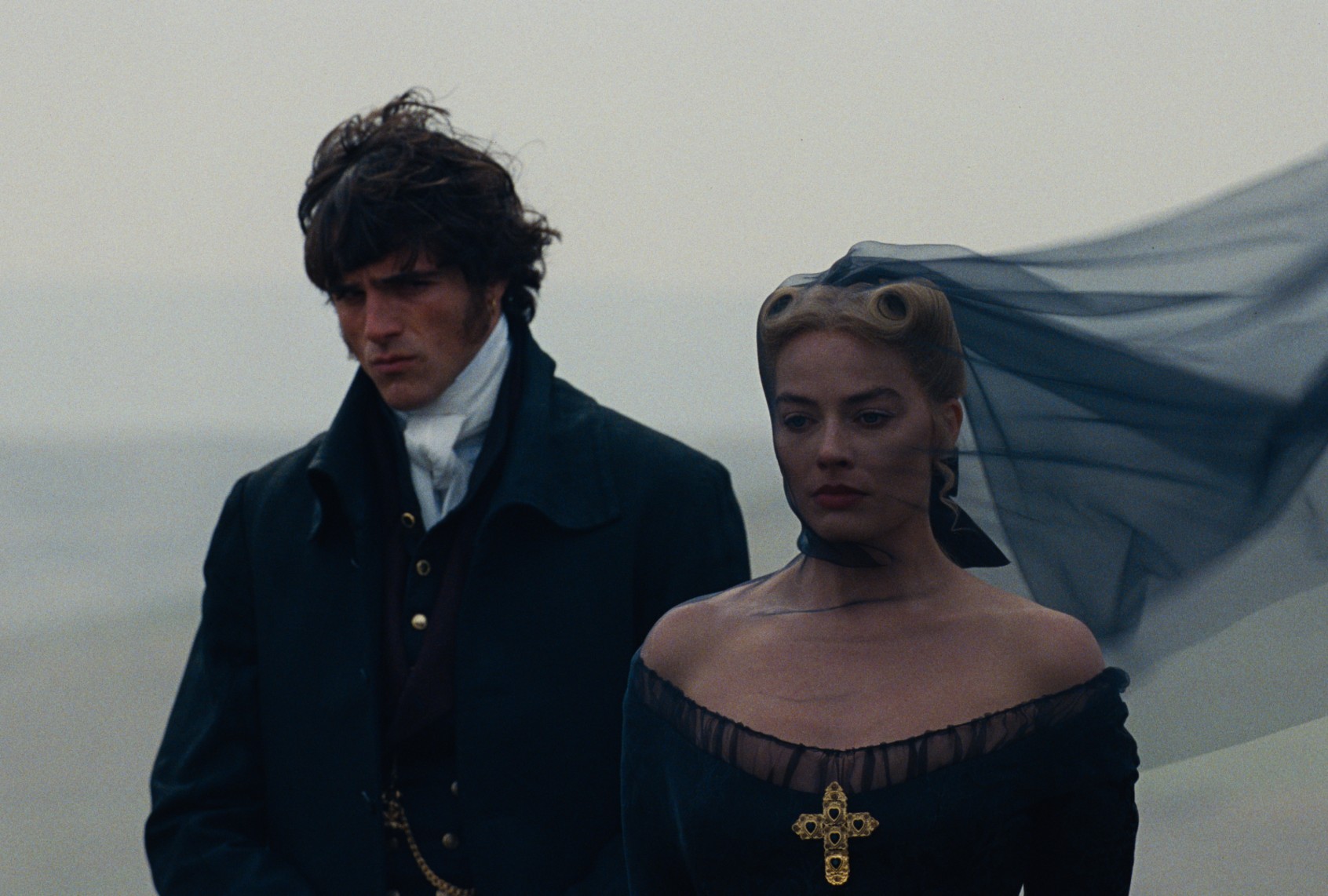
(Warner Bros. Pictures) Jacob Elordi as Heathcliff and Margot Robbie as Catherine Earnshaw in “Wuthering Heights”
If one is random, two is a coincidence and three is a pattern, then this third round of divisive reception confirms that Fennell’s work will be continually met with raised eyebrows and closed minds no matter how good — or, more importantly, how interesting — her films are.
Fennell’s “Wuthering Heights” pivots the novel toward fantastical anachronism and open-hearted femininity, while del Toro’s “Frankenstein” is a dour, dark spin that blunts the sentimentality of Mary Shelley’s book for an adaptation that plays more like a superhero origin story. Both filmmakers chose to make Elordi their 6 ‘6 muse, using his imposing stature to their gain — strong and rugged as Fennell’s Heathcliff, while towering and intimidating as del Toro’s Creature — and the cinematic story arcs for both characters regularly deviate from their respective novels. Despite these and other glaring similarities between these films released just four months apart, only one movie was met with virulent animosity from the jump, and somehow, it wasn’t the worst movie of the two. This isn’t just the latest layer in the longtime double standard for films made by women compared to those made by men; the reaction also indicates a frightening lack of curiosity among stubborn viewers unwilling to consider a reality beyond a prevailing narrative.
But how did this idea that Fennell is some hollow provocateur with subzero artistic talent even begin? How is it that, in the span of six years and three films, she’s become cinema’s most toxic and piled-on filmmaker? Fennell hasn’t done anything wrong, per se. Tastelessness is not punishable by law, and neither is adapting a beloved novel however a filmmaker sees fit. Creative liberty is not a felony any more than dreadful digital imagery is, and if it were, del Toro should be the first one charged for making “Frankenstein” — a fantasy that’s supposed to stir the soul — look so flat and unimaginative. But I digress.
This saga’s gnarled roots stretch back to 2020, the year “Promising Young Woman” was released in theaters, and a year worthy of its own case study on its impact on cinema alone. Fennell’s first feature-length effort premiered at Sundance in January of that year and was slated for an April release until the pandemic halted the world, and with it, the theatrical release schedule. With movie theaters closed for most of the year, distributors were forced to postpone theatrical releases or pivot to new streaming models. When the Academy of Motion Picture Arts and Sciences announced it would consider streaming films with releases previously scheduled before the pandemic, many studios pursued the latter option. Nevertheless, “Promising Young Woman” had a small theatrical opening over the winter holidays, making it one of the few films that audiences could see in its intended format, which, if we’re honest, probably led to some overly effusive reviews.
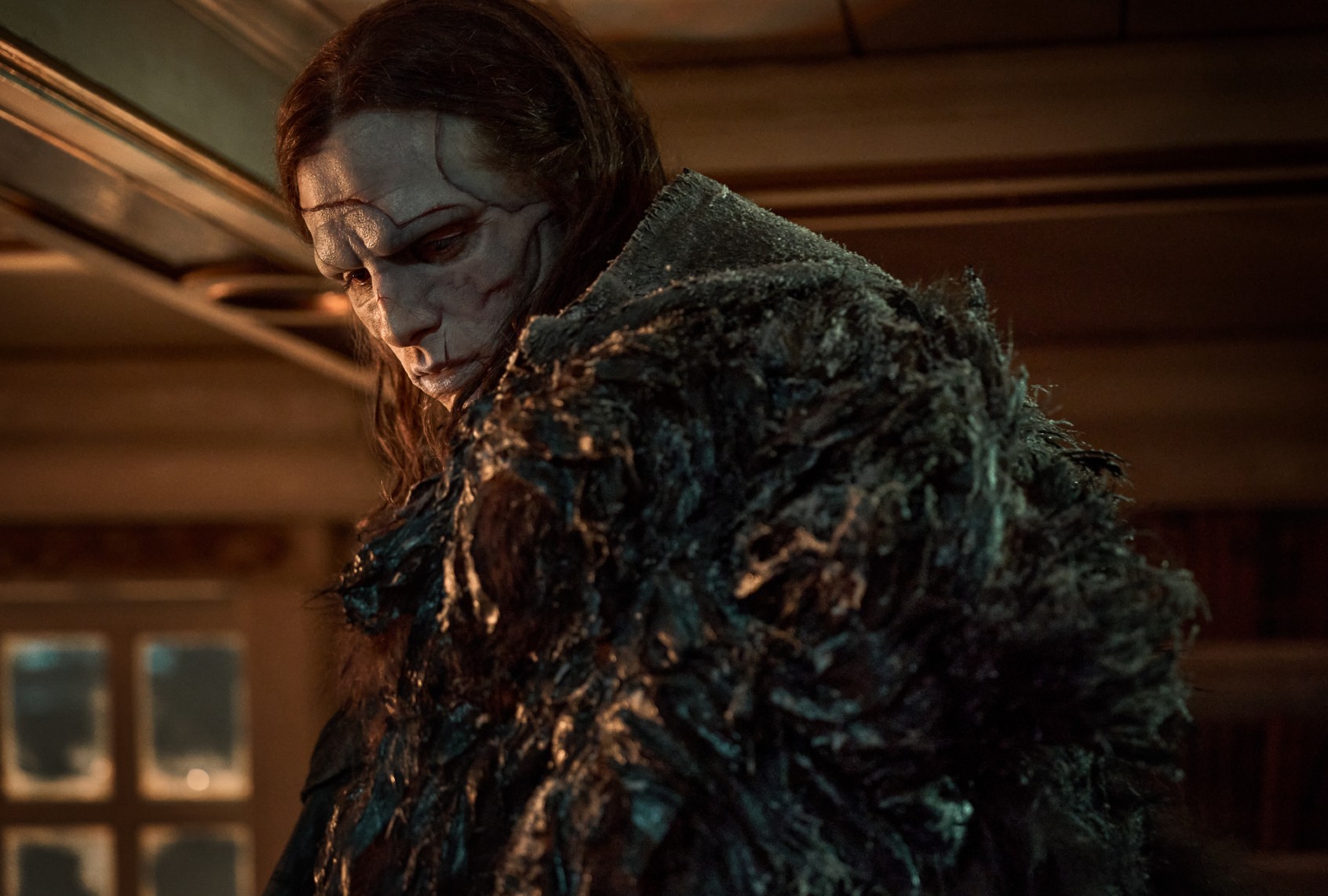
(Ken Woroner/Netflix) Jacob Elordi as The Creature in “Frankenstein”
But “Promising Young Woman” was an outlier. While some distributors opted for the streaming option, most held films until theaters could reopen safely and viewers felt comfortable returning, hoping to recoup whatever financial investment they could after an uncertain year. Naturally, the pool of films shortlisted for the 2021 Oscars looked much different than it otherwise might have, making that year’s nominees both thrillingly diverse and completely atypical. Though “Promising Young Woman” was received well by critics, there’s no guarantee that, without the effects of the pandemic, it would’ve garnered five Oscar nominations, including best picture and directing. In the end, Fennell took home the statue for best original screenplay, cementing her prowess in Oscar gold — and turning herself radioactive forevermore.
In the years that have followed, “Promising Young Woman” and its once glowing reputation have soured. The ending, which I won’t spoil here, has become a lightning rod of controversy that cannot be destroyed, no matter how much acrimonious electricity it attracts. And because Fennell is an Oscar-winning writer, her work has since been judged against that standard by detractors who don’t consider the extremely specific circumstances of the year she won. Conversely, the film’s awards-favorite status awarded Fennell a blank check, which she’s used to keep doing what she does best: making films that piss people off.
Want more from culture than just the latest trend? The Swell highlights art made to last.
Sign up here
But upsetting viewers has never been Fennell’s exact intention. A true provocateur shows, not tells. And Fennell’s entire career in filmmaking thus far has been about telling. Whether in interviews or the context of her films, Fennell doesn’t shy from the fact that she enjoys themes that flirt with impropriety or visuals that push the limits. She’s forthright with her interest in depravity, and as such, her films make no effort to conceal their degeneracies or shock the viewer. The most surprising thing Fennell could do at this point is tone down her overt freakiness, which she does in “Wuthering Heights” with as much assurance as she wrote the bathtub-licking scene in “Saltburn.”
Del Toro’s work is just as overwrought, just as bogged down by ideas and just as keen to emphasize style over narrative substance as Fennell’s. And yet, “Frankenstein” was met with an air of prestige, while “Wuthering Heights” has been treated like a guilty pleasure.
It’s not that Fennell isn’t good at playing the rabble-rouser, as many have alleged. (She is, in fact, great at it, considering how many people she aggravates by simply making a movie.) Rather, she is not given the same grace as her contemporaries. As a woman working in big-budget, mainstream film, Fennell’s boldness is mistaken for trashiness; her feminine gaze is confused with a typically masculine gratuitousness. Most telling of all: Those chafed by “Promising Young Woman” haven’t given Fennell the impartial second chance that her male industry colleagues receive time and time again. Instead, she’s been stamped with a red “V” for “Vacuous” and labeled cinema’s number-one fraud, regardless of the merit, improvement and commitment to refining her vision demonstrated by her two most recent films.
Fennell’s reputation precedes her by a mile, which makes the filmmaker’s decision to adapt “Wuthering Heights,” a novel she’s loved and cared for since she first read it at 14, all the more bold — and dangerous. By taking on Brontë’s book, Fennell was doomed to stare down millions of overly pedantic literature sticklers, people who prefer their adaptations pure and untainted. Any major decision that fell outside of Brontë’s story and character arcs was bound to be picked apart by the vultures. And in just a little more than a week after its release, almost every element of Fennell’s film has been criticized. The costumes. The soundtrack. The narrative changes to fit an alternate interpretation. The casting. (Granted, complaints about Fennell’s colorblind casting — poorly justified by Fennell herself — are the most valid of the bunch.) It seems there is no one thing anyone can agree on when it comes to Fennell’s version. This constant bickering only leads to an inescapable level of discourse that serves the false perception of Fennell as the raging provocateur she is not.
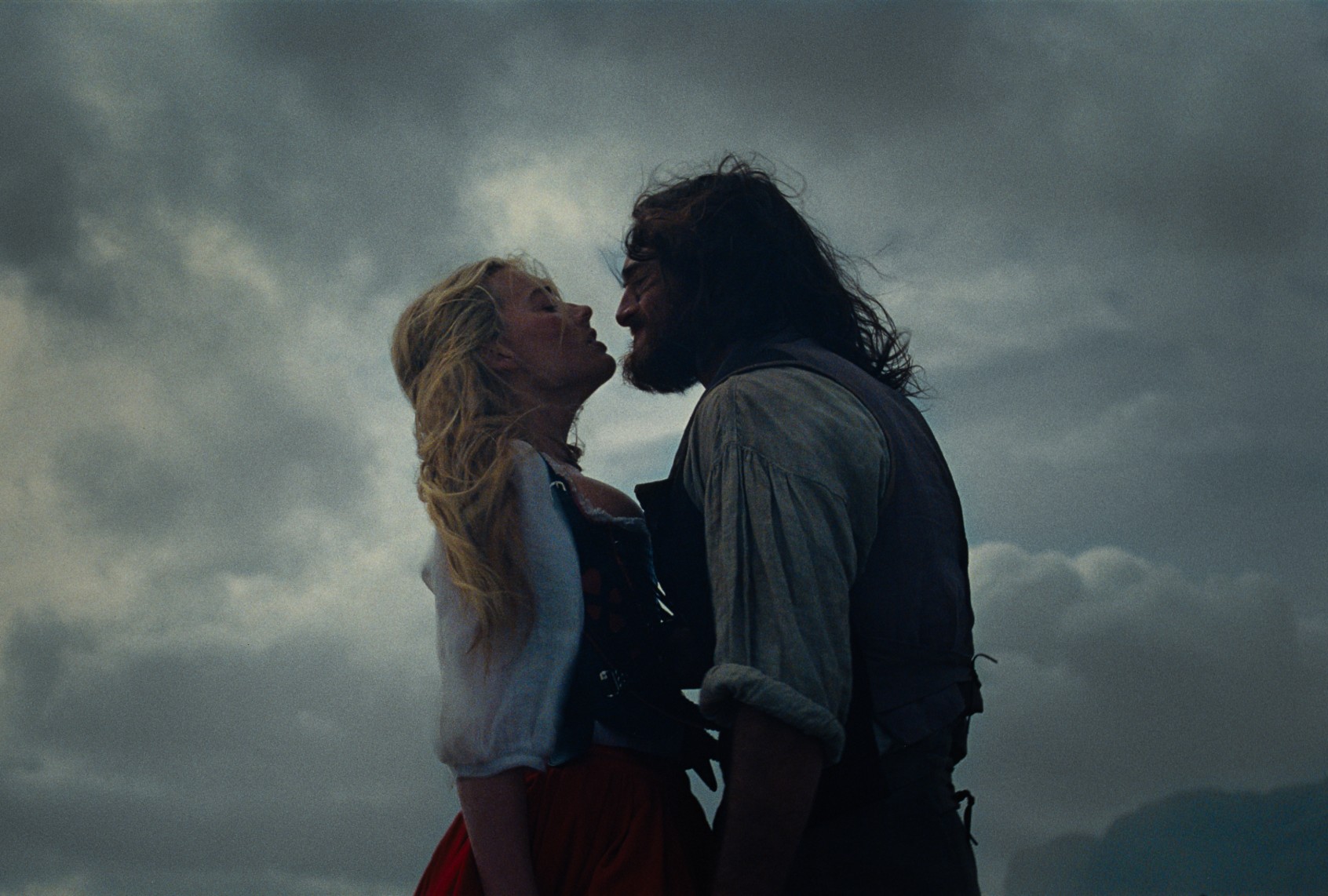
(Warner Bros. Pictures) Margot Robbie as Catherine Earnshaw and Jacob Elordi as Heathcliff in “Wuthering Heights”
One particularly confounding and repeated grievance is the film’s title. More and more versions of “If you don’t want to adapt literature faithfully, call it something else,” are popping up online daily. Fennell has already addressed this, noting that her film is stylized with quotation marks around the title because it’s her own vision of the book, inspired by how she imagined it as a teenager. Her film also isn’t far enough from the source material to warrant a full name change; it’s more “Romeo + Juliet” than “Clueless.” Curiously, this was not a prevailing gripe about “Frankenstein,” despite del Toro changing the ending, altering the inciting events of the Creature’s creation and adding new characters while changing the textual behavior of key others. Microbloggers weren’t taking del Toro to task over his title, nor were they criticizing harmless anachronisms that better fit the version of the story he was trying to tell. If Fennell’s idealistically romantic and aesthetic-minded “Wuthering Heights” is a perversion of the source material, one could just as easily say the same about del Toro’s “Frankenstein”: a less violent, way more maudlin reading of Shelley’s novel about fatherhood and trauma cycles, rather than othering.
That wasn’t the case. Articles comparing the book to del Toro’s adaptation highlighted the changes but stopped short of outright criticizing his film or his skill as a director — an integral part of every conversation surrounding Fennell. Meanwhile, the sumptuous imagery and amiable pacing of “Wuthering Heights” trounce del Toro’s ghastly slog of a film. Fennell couldn’t alter the nature of Heathcliff and Cathy’s relationship without being lambasted, but del Toro could make his Creature into an immortal, regenerating super-monster and remain acclaimed. Del Toro’s work is just as overwrought, just as bogged down by ideas and just as keen to emphasize style over narrative substance as Fennell’s. And yet, “Frankenstein” was met with an air of prestige, while “Wuthering Heights” has been treated like a guilty pleasure.
Fennell hasn’t done anything wrong, per se. Tastelessness is not punishable by law, and neither is adapting a beloved novel however a filmmaker sees fit.
Fennell is an easy target. She’s white, she comes from money and her first film ended on a controversial note that has stuck to her ever since. There are things to criticize about her and her work, and, no question, these criticisms should be lodged when appropriate. But when examined against another, more seasoned and more widely beloved filmmaker like del Toro — one who, it should be noted, takes as many risks as Fennell does — it’s difficult to see what makes Fennell the hack, other than latent misogyny and a predilection for kink. Just because a filmmaker does something with one film that a viewer may not jive with doesn’t mean their work should be refuted forevermore. If that were the case, no one in Hollywood would ever work again. Still, Fennell’s critics spend weeks decrying her as a hack and review-bombing “Wuthering Heights” on the movie-logging platform Letterboxd before they even have a chance to engage with her film.
That may be the most disturbing aspect of all. Whether people enjoy Fennell’s work is a matter of personal taste. But refusing to keep an open mind and stay curious about a film simply because of a filmmaker’s reputation for (relatively tame!) smuttiness is detrimental to the cinema that Fennell’s critics purport to uphold. “Wuthering Heights” may not be to many people’s taste, but what Fennell has done is irrefutably interesting. She’s made something different from your typical adaptation, a movie that brings a fresh perspective to a very old and frequently retold tale. How very frustrating that so many people have closed off their minds and hearts to the film before they’ve even seen it, or before the credits rolled. Such baseless reticence only makes us more defiant and less inquisitive. Social media might be the modern watercooler — the dominating force of cultural conversation — but taking its narratives as gospel without considering art for ourselves only reinforces our worst instincts and upholds the systems that a surprising, offbeat and altogether different film like “Wuthering Heights” rallies against.
Read more
about Emerald Fennell’s work