
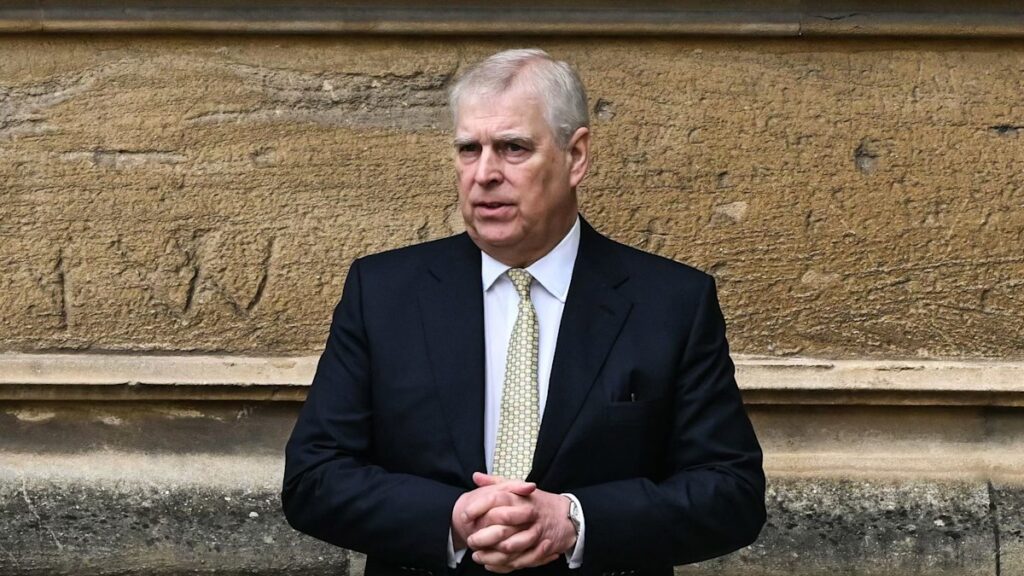
How worried should the Prince of Wales be about his uncle Andrew Mountbatten-Windsor’s arrest? One middle-market newspaper has already given space to one of its columnists to argue that the King should abdicate, and President Donald Trump remarked that it was “so bad for the royal family”.
A leading broadsheet opined that Andrew’s arrest represented a graver threat to the monarchy than the abdication of Edward VIII in 1936, on the basis that the Duke of Windsor at least had the winsome narrative that he was giving up the throne for love.
So is Andrew’s arrest on suspicion of misconduct in public office the chink in the dam that will sweep Britain into a republic? My prediction is that it is not, for three reasons.
Recommended videoYou may also likeWATCH: Police arrive at Royal Lodge in Windsor to search Andrew Mountbatten-Windsor’s home
Reason one: The arrest paradox
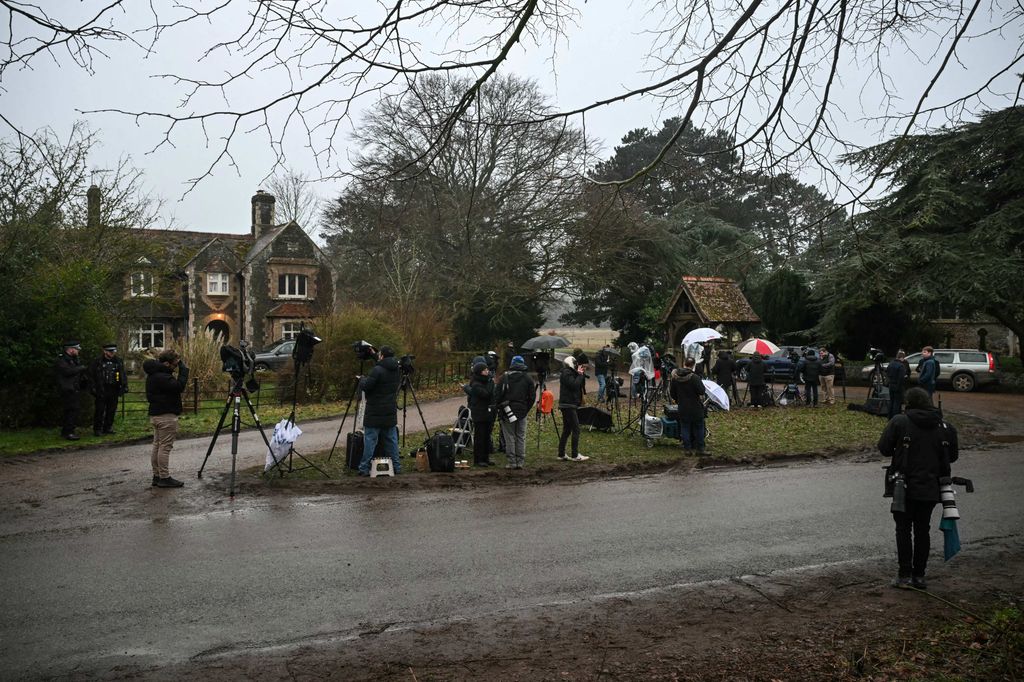 © AFP via Getty ImagesA complex legal case is currently unfolding
The arrest is in many ways an acceleration of Andrew’s story, but it is also a brake. The Contempt of Court Act (1981) states that newspapers must avoid prejudicing a possible trial once proceedings are active, which they now are. Andrew is a special case: the press took the view that the huge public interest in the case justified spreads of coverage on the day of his arrest and release under investigation.
But, generally speaking, the more a case develops, the less can be reported. For conventional cases, when a person is charged, reporting is limited to their name, age, address, the offence and dry procedural details like the names of the barristers.
Mark Stephens, a consulting lawyer for Howard Kennedy, argues that contempt proceedings only apply to Andrew’s alleged misconduct in public office, and so the press is still free to report on allegations unrelated to his role as trade envoy. Andrew has consistently denied any wrongdoing.
Reason two: The definition dilemma
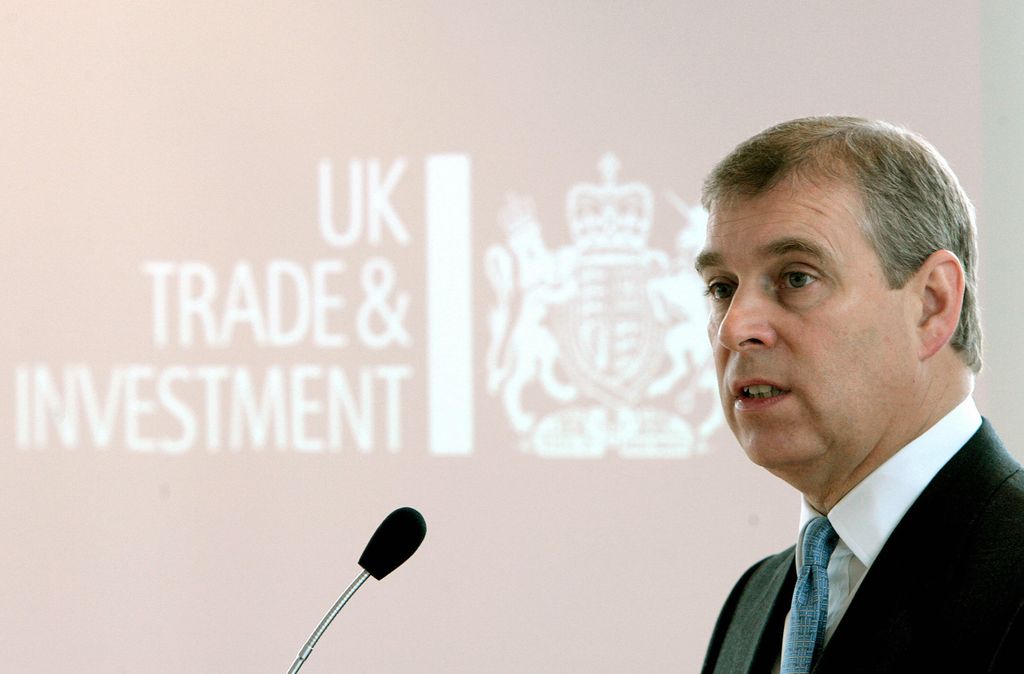 © DDP/AFP via Getty ImagesAndrew Mounbatten-Windsor served as the UK’s Special Representative for International Trade and Investment
Misconduct in public office is so notoriously difficult to define that the Law Commission, which advises ministers on law reform, has argued for its abolition and replacement with two other offences.
The offence is not defined by statute but by case law dating back to 1783. According to the Institute of Government think tank, there is a “high bar” for prosecutors to clear to establish that the offence is sufficiently serious. “The threshold is a high one requiring conduct so far below acceptable standards as to amount to an abuse of the public’s trust in the office holder.”
Reason three: The lack of legal jeopardy
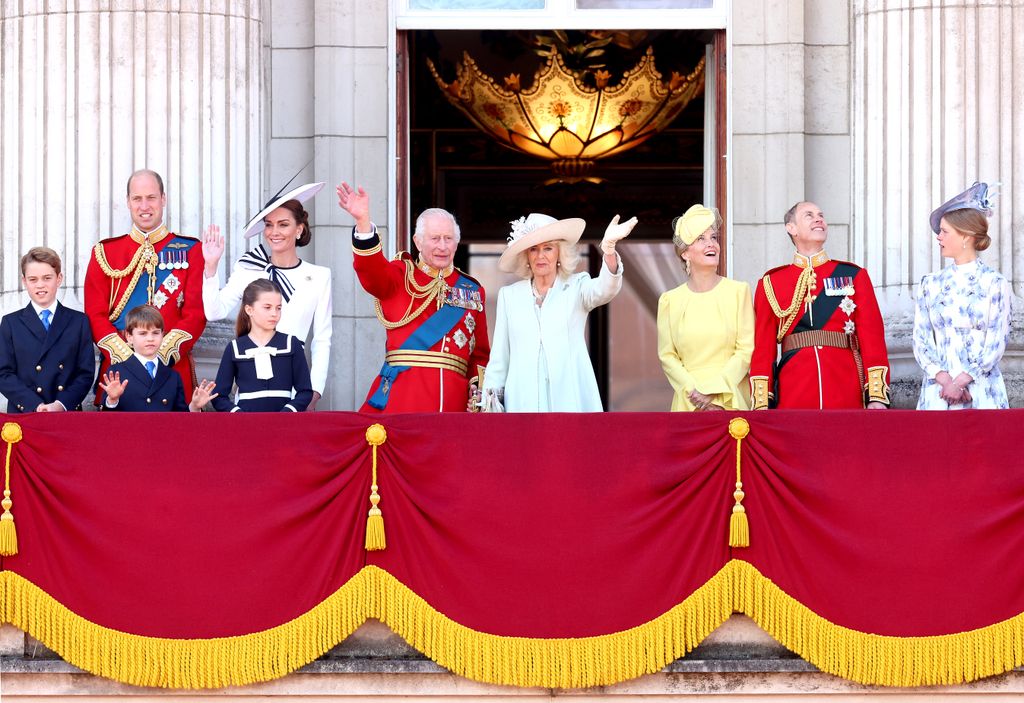 © Getty ImagesAndrew is not known for being a popular royal figure
Andrew’s arrest has no legal impact on the rest of his family. Sir Vernon Bogdanor, a constitutional expert and professor of government at King’s College London, told The Times: “The arrest of Andrew Mountbatten-Windsor raises no constitutional issue.”
The jeopardy for the monarchy is therefore not any legal action itself but the perception it creates.
The coverage of the arrest is media theatre: fascinating to watch but not necessarily consequential. It will embolden people who were already republicans but there would need to be a large-scale shift in public opinion before mainstream political leaders or conservative media organisations move against the royal family as a whole.
It is not as if Andrew was a popular figure before his arrest. The most reliable polling on this is by YouGov, which has been asking the public about Andrew’s popularity since October 2019, a month before his disastrous BBC Newsnight interview. The proportion of people expressing a positive opinion of Andrew fell from 22 per cent before the interview to 11 per cent afterwards. YouGov’s most recent poll, in January 2026, placed him at an all-time low of 3 per cent.
A reason to ‘calm’ William down
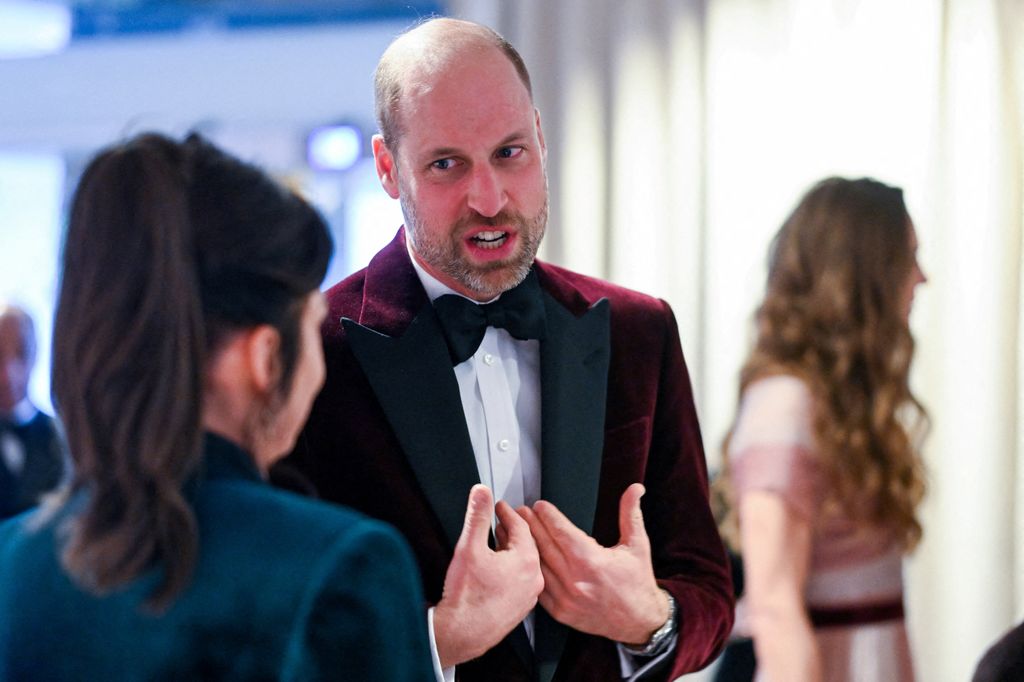 © POOL/AFP via Getty ImagesPrince William’s popularity still reigns
Should William be worried that he and other members of the family will be shamed by association? He was overheard at the Bafta Film Awards saying that he was not “in a calm state” suitable for watching the harrowing drama Hamnet, but a silver lining is that his popularity is not shackled to his uncle’s.
William’s rating actually increased from 81 per cent to 83 per cent after Andrew appeared on Newsnight while the King’s (then the Prince of Wales’s) remained stable at 58 per cent.
William’s popularity stands at 77 per cent, as of last month, maintaining his position as the most popular member of his family and showing that the public do not see him and Andrew as a unit. Indeed, William is on an upward trajectory as he recovers from the seven-percentage point drop following the publication of Prince Harry’s memoir Spare in January 2023.
YouGov have yet to conduct a comparable poll since Andrew’s arrest but recent surveys about the former Duke of York show strong public support for the King and the Prince of Wales’s move to strip him of his titles.
But while the UK is not yet showing a yearning for a republic there is a more tangible risk that the 14 Commonwealth countries that have the King as their head of state may revisit debates about their constitutions. If British politicians wish to pursue the removal of Andrew from the line of succession, where he sits in eighth position, they will need to gain approval from those countries. Is that a box that the British government really wishes to open?
ROYAL FAN? JOIN THE CLUB
Welcome to The HELLO! Royal Club, where thousands of royal fans like you get to delve deeper into the wonderful world of royalty every day. Want to join them? Just click the button below for a list of club benefits and joining information.