
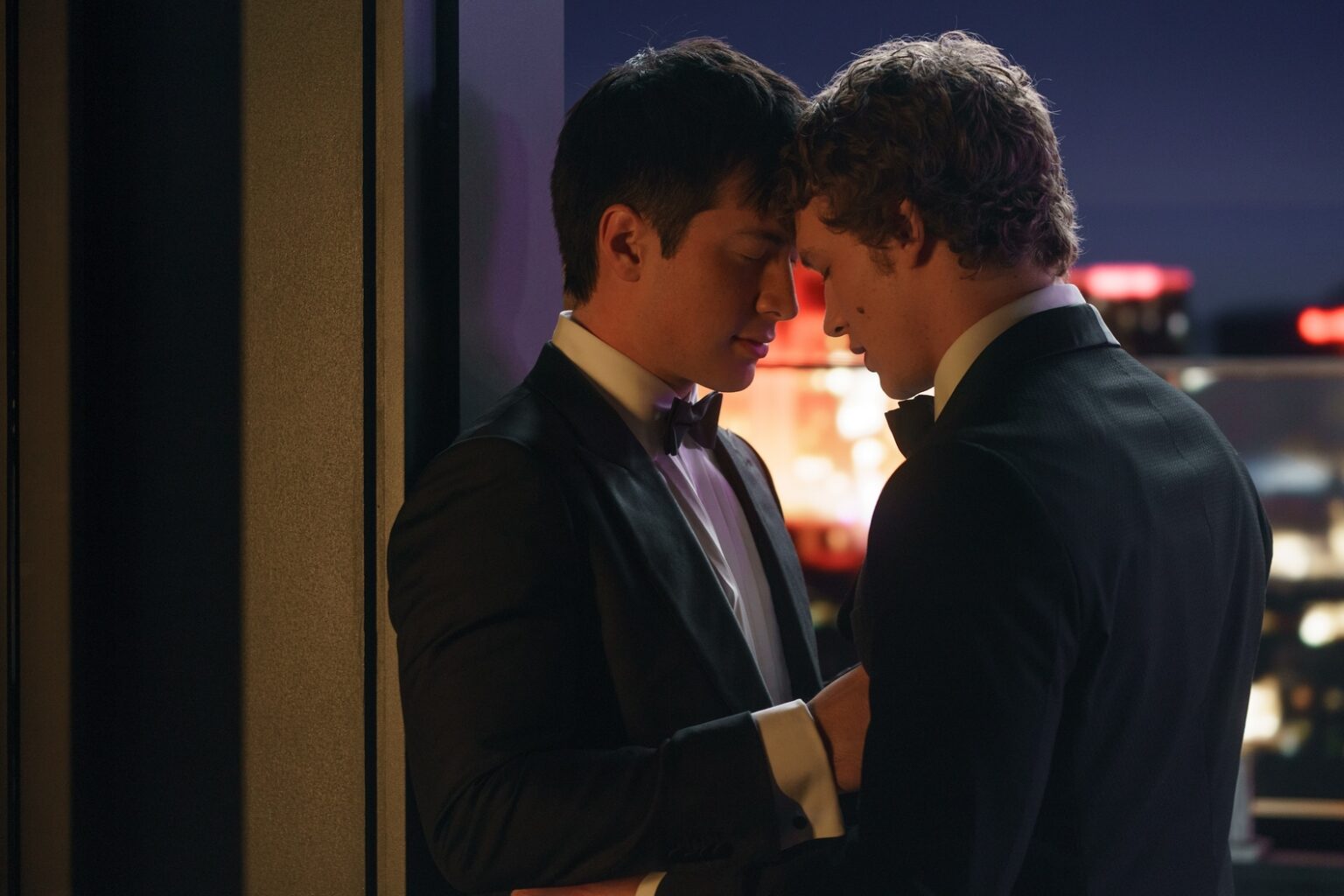
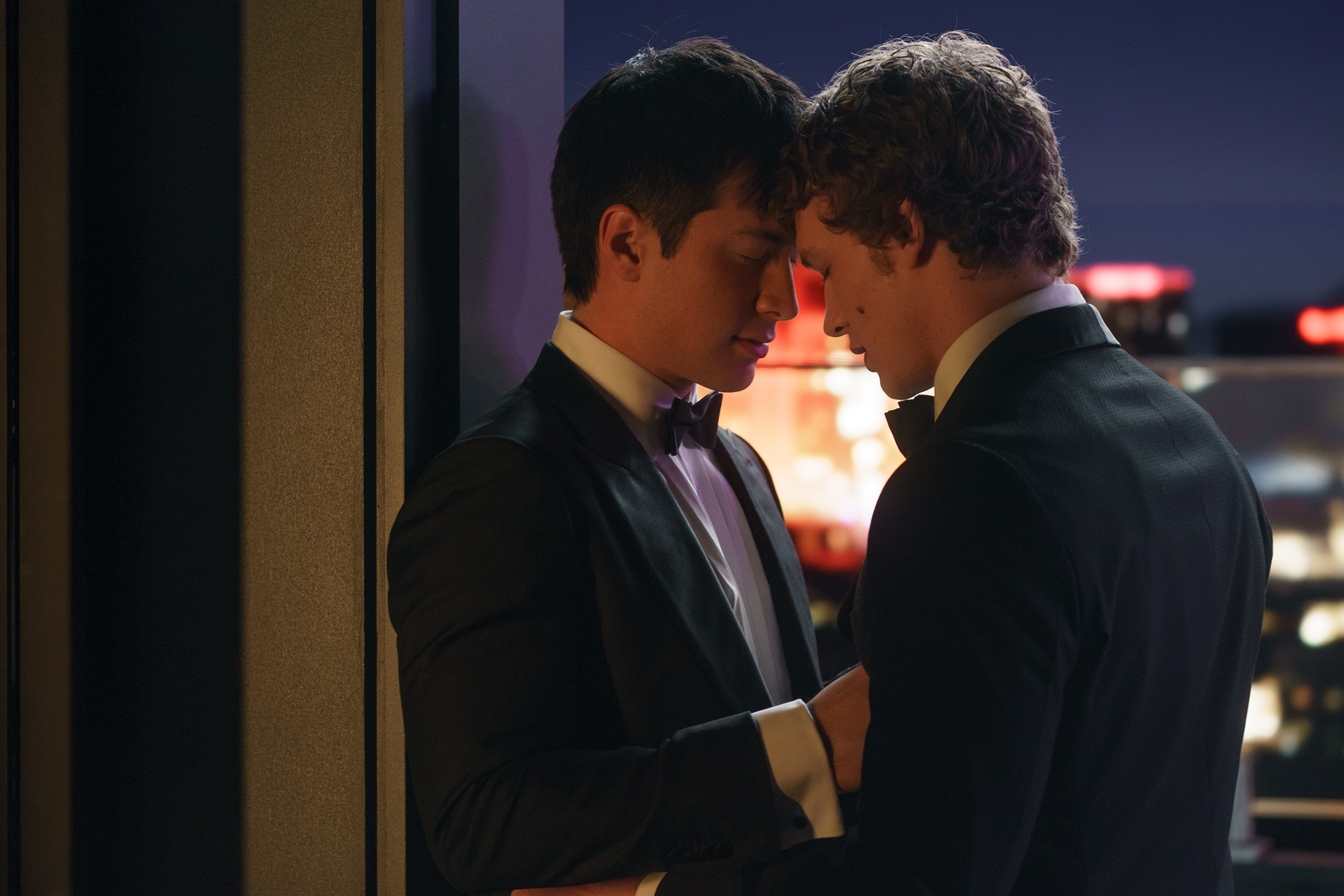
 Sabrina Lantos/HBO Max
Genre fiction gets pretty niche. By niche, I mean afro-solarpunk cli-fi / queer fairytale romantasy / senior-sleuth cosy mystery kind of niche. Then of course, there’s the big one: gay hockey romance. Most of you have probably heard of, if not yet watched, HBO Max TV series Heated Rivalry about the fictional, years-long relationship between Canadian professional hockey player Shane Hollander and Russian professional hockey player Ilya Rozanov that has everyone (mostly women, according to The New York Times) in a tizzy. Already watched by 10.6 million Americans, it was recently released in Germany and is likely to see successive booms in popularity. But did you know it was a book first?
Specifically, Heated Rivalry is a M/M, enemies-to-lovers, slow-burn, open-door gay hockey romance novel (yes, the lingo gets pretty culty in genre fiction). It’s the second book in Rachel Reid’s Game Changers series, which she started writing in 2015. Reid wrote in Maclean’s that “the idea came from my lifelong love of hockey but also an awareness of the problems with the sport’s culture… I thought a lot about how difficult it would be to be a closeted pro player – and what it might be like if they came out.” The consequent popularity of the series shows that there’s something to that age-old adage: write what you love. Not only because it keeps you sane as an artist, but because the audience exists, even if you don’t know it yet.
Genre fiction is huge. By huge, I mean a multibillion-dollar industry kind of huge. Anyone who’s dipped their toe into BookTok knows it. So if it’s having such a moment (for the last few decades), then why don’t we see more film and TV adaptations of it? If you leave Game of Thrones, Twilight and The Hunger Games out of the equation, genre fiction’s book popularity to screen adaptation ratio is direly uneven. Even romantasy, literature’s fastest-growing genre, hasn’t seen a mainstream adaptation yet. Hulu scrapped plans for a much-anticipated version of its top-seller A Court of Thorns and Roses last year.
In the name of gay hockey romance, give the people (more of) what they want!
At this point, you might be thinking: why should I, a littérateur, even take genre-fiction seriously? Well, it seems that Rachel Reed’s publisher, Harlequin, thought the same. In anticipation of the HBO Max series, not only did they fail to re-release Heated Rivalry for reprint, a move that benefits both publisher and author, but they also failed to ship out extra stock to bookshops or design a promotional cover. This literary shot in the foot led to long library waitlists, Amazon benefitting from e-book sales and a huge missed opportunity for Rachel Reid. Frankly, it’s painful to watch a production company make huge profits from a series when the author who created it is missing the tide that could be making her hundreds of dollars in paperback royalties a day. Once again, an author is financially screwed over. It’s hardly headline news.
Harlequin replied to the controversy, telling Frankie de la Cretaz at Out of Your League, “we’re so excited for the continued support of Heated Rivalry and the Game Changers series,” and, “physical books are being shipped to fulfil orders and supply replenished with reprints to ensure availability”. But in many ways, it’s too little too late. And the reason is painfully clear: they didn’t expect a work of genre fiction to do this well. The question is: why not?
Earlier this year, The New York Times wrote a piece on how the ‘Popularity of Heated Rivalry Has Surprised Even TV Executives’. But fans of genre fiction are likely not at all surprised. After all, before the series release, Rachel Reid had sold 650,000 copies of Game Changers. Of course her readers would watch the series, if only – in true literary style – to slag off that it’s not as good as the book. The Washington Post noticed back in 2023 that Amazon’s top 10 sports romances were hockey genre books. Seven out of ten were written by Rachel Reid. For years, gay hockey romance has been one of the top-selling genres. If anything, the surprise is that it took a studio this long to successfully adapt one.
After decades of genre fiction authors carving out their own space in online self-publishing and fan fiction communities, only recently has the publishing industry done a 180 by headhunting their books – and, conveniently, their self-built readerships. But time and time again, publishers and studios alike underestimate the popularity and reach of genre fiction. There are so many more diverse and wonderful stories out there that deserve to be told. So please, studios, in the name of gay hockey romance, give the people (more of) what they want! And publishers, make sure you have a reprint ready when they do.