
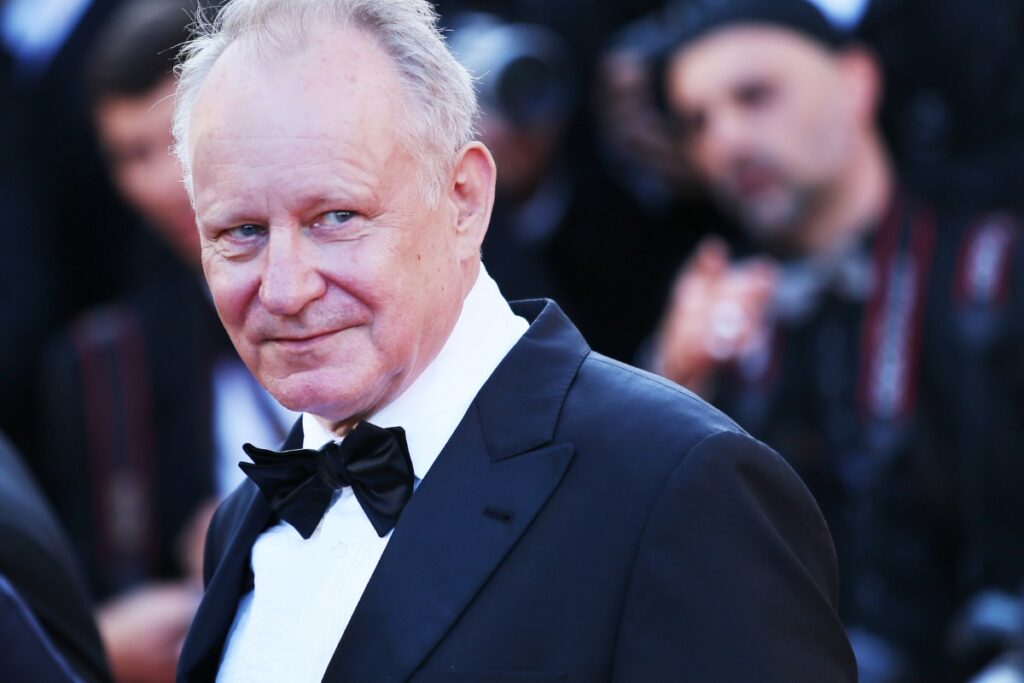
How do you direct a storm that sits perfectly still between takes, then tears the room apart when the cameras roll? Decades later, a co-star lifts the curtain on the contradictions that powered a 90s landmark.
On the Good Will Hunting set, Stellan Skarsgård recalls Robin Williams cycling through takes like a jazz soloist, each riff darker or brighter than the last. That looseness helped turn a scene on the page into something that breathed, and it won Williams a supporting actor Oscar while cementing the film among the decade’s touchstones. Nearly three decades later, those offbeat habits and that restless work ethic still echo in colleagues’ memories. The result is a portrait of an artist both private and volcanic, whose improvisation could rearrange a moment in real time.
Some films grow quieter with time, then return like landmarks. Nearly 3 decades after its release, one title still invites us back to a Boston classroom and a therapist’s worn armchair. Revisiting that journey today also means revisiting Robin Williams, whose artistry reshaped a character, a set, and for many of us, an understanding of grace.
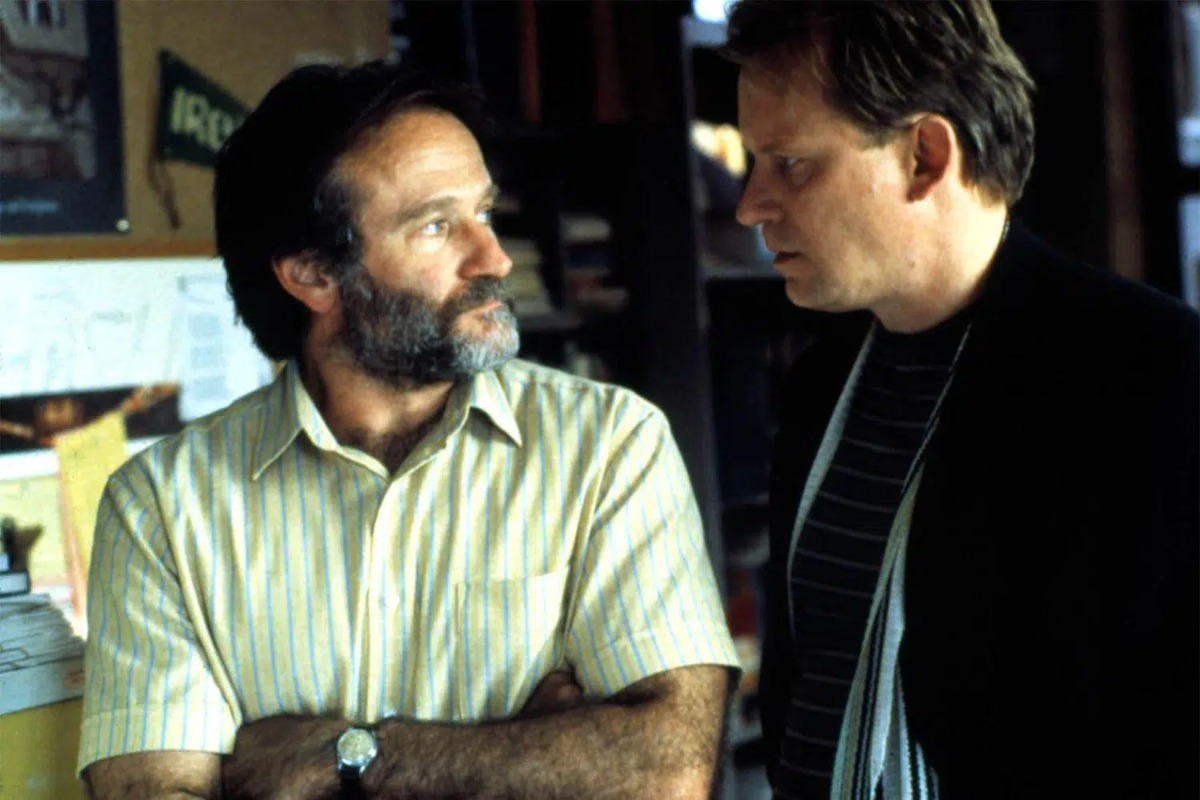
The enduring legacy of ‘Good Will Hunting’
Released in 1998, Good Will Hunting distilled the era’s blend of heart and grit. Matt Damon and Ben Affleck wrote the screenplay, and Gus Van Sant built its quiet pulse. The film won 2 Oscars, including Best Supporting Actor for Robin Williams. More than prizes, it earned a place in memory, where small conversations echo louder than plot twists.
A tale of genius and redemption
Will Hunting is a janitor with a mind like a lightning map, brilliant yet barricaded. Professor Gerard Lambeau spots the rare talent and tries to steer it toward acclaim. The counterweight arrives as Sean Maguire, the therapist who refuses easy fixes and performs quiet triage on pain. In that triangle, Will Hunting learns that intellect without trust often stalls at the starting line.
Robin Williams: master of improvisation
Williams worked like a jazz player, chasing improvisation until it found shape. He would try variations across 10 takes, fast then slow, flinty then tender, giving the edit room a living atlas. Humor slipped beside grief, not over it. That blend of levity and vulnerability made Sean feel human, and made the silences land.
Stellan Skarsgård on Williams’ charisma
On set, Stellan Skarsgård saw contrasts that defined Williams. In private he was gentle and measured, almost meditative. With a crowd, the current switched, and his charisma filled the room. He pushed for another take, then another, testing shades of tone, as if comedy and sorrow were neighboring rooms separated by a thin door.
Why ‘Good Will Hunting’ still resonates
After 2014, many returned to the film not just for comfort, but for clarity. What keeps drawing viewers back? Partly access, since it is widely available on Netflix and HBO Max, but mostly because its truths travel.
Conversations that respect pain without romanticizing it
Performances that balance restraint and spark
A reminder that talent needs community, not just opportunity
The result still feels present tense, like advice given at 4 a.m., heard at last.