
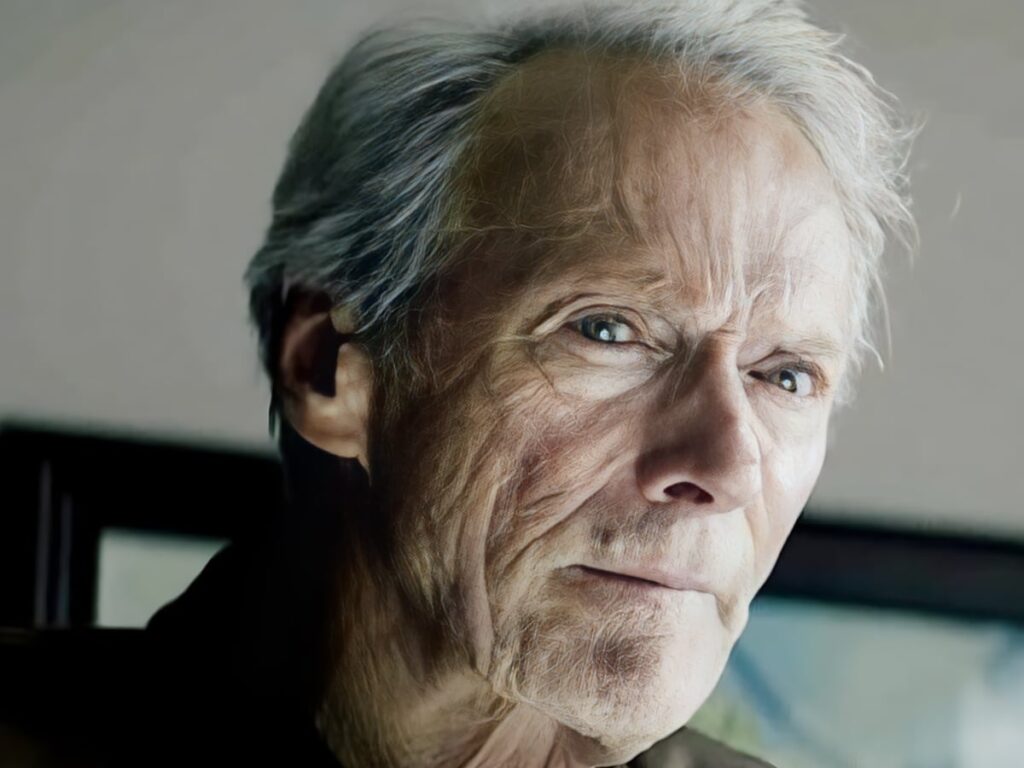
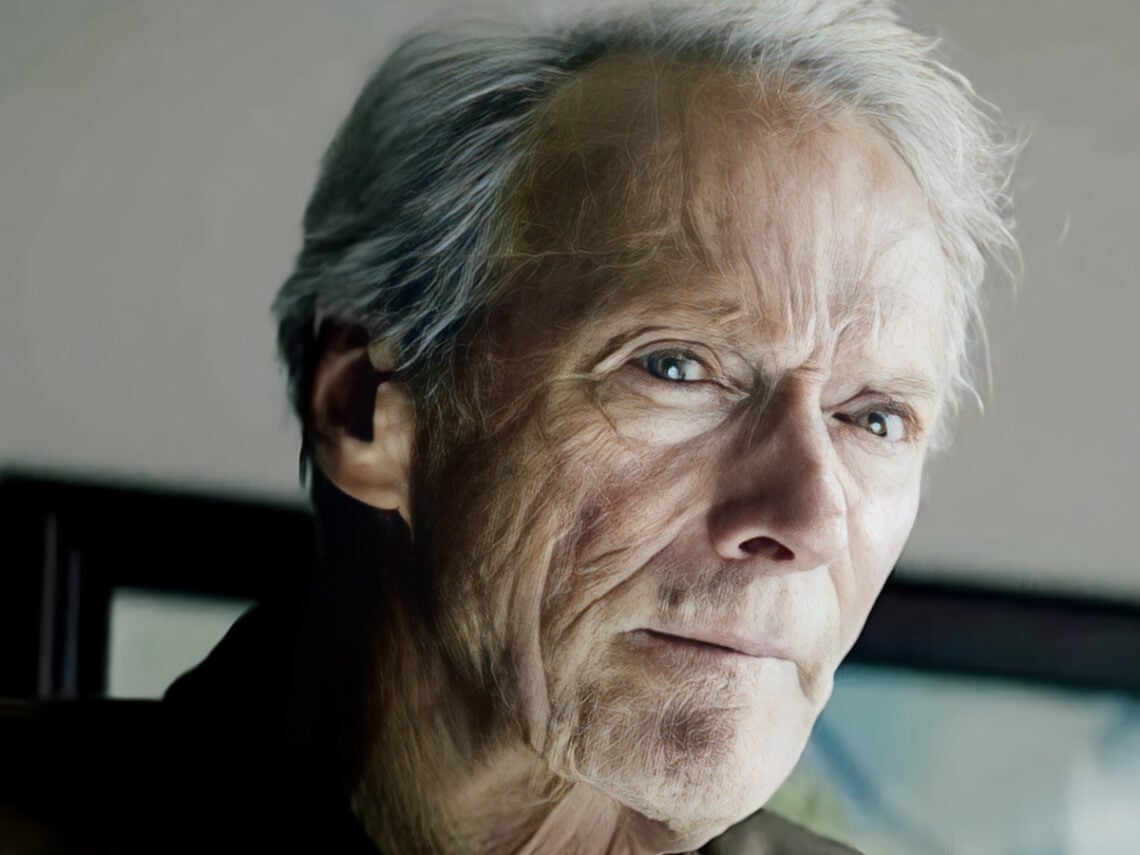
(Credits: Warner Bros. Pictures)
Sat 28 February 2026 19:45, UK
Having gunned down more faceless goons than the average movie star, and directed himself gunning down more faceless goons than any other movie star, apart from maybe Sylvester Stallone, it should go without saying that Clint Eastwood is familiar with the concept of onscreen violence.
While it’s often intrinsic to the nature of his character and the story he’s telling, most famously in the seminal Unforgiven, sometimes, they were just action flicks designed to thrill an audience. Not every bullet has to mean something, and when he thought they didn’t, it showed up his hypocritical side.
Don Siegel’s Dirty Harry is a violent film, but that wasn’t what left so many people up in arms. The title character is a ruthless, rule-breaking police officer happy to bend the law as and when he deems necessary, so long as it allows him to get the job done. It’s cliché, but that wasn’t what offended.
Instead, the classic crime thriller came under fire for its perceived political leanings, something Eastwood always denied. Paul Newman turned down the role for those very reasons, opening the door to accusations of right-leaning subtext, pro-fascism tendencies, and overt support of vigilantism and police brutality.
It’s tame when compared to some of the things shown in mainstream releases today, but as the franchise progressed, it couldn’t help but be noticed that the hardest edges displayed in Siegel’s original had been sanded down somewhat for Magnum Force, The Enforcer, Sudden Impact, and The Dead Pool.
“We live in a violent society,” Eastwood explained in the late 1970s. “Newspapers don’t put it on the back pages. Those who would censor violence would have to censor the Bible and Shakespeare. Nobody would go to the movies and see the routine work of a policeman, an officer going door-to-door, the drudgery. It’s the highlights they want.”
The four-time Academy Award-winner made some salient points, but what he didn’t have to do was turn his ire specifically toward another of the decade’s most violent masterpieces. “I think films can go overboard on violence,” he offered. “We don’t use slow-motion violence, for instance, or lingering blood squirts. Harry is a hero to the everyman, middle America, the working guy who’d like to tell his boss where to put it.”
None of those sentiments applied to Robert De Niro’s Travis Bickle, obviously, so when that character resorted to violence, it didn’t sit well with Eastwood. “I’d question a film like Taxi Driver,” the actor and filmmaker said. “Where the hero is mentally ill.” From his high horse, he suggested that it was OK for Harry Callahan to shoot the shit out of people because he was a cop, but since Bickle was clearly disturbed and suffering from non-work-related issues, Martin Scorsese had gone too far.
The violence in Taxi Driver has a point, though, and it’s not just wanton carnage for the sake of it. That must have gone over his head, since Eastwood was so keen to question why someone like Bickle had been positioned as the hero of his own story, which is clear to anyone who’s seen it.
The Far Out Clint Eastwood Newsletter
All the latest stories about Clint Eastwood from the independent voice of culture.
Straight to your inbox.