
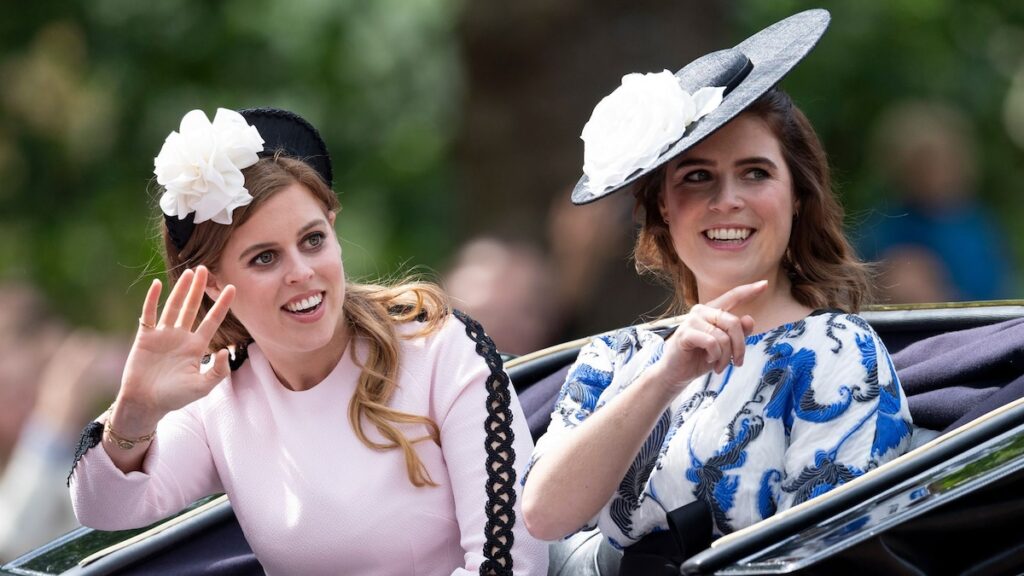
Princesses Beatrice and Eugenie are learning that in royal life, proximity carries meaning. Proximity to the throne, proximity to power, and at times, proximity to controversy can all shape perception.
According to The Mail on Sunday, Palace officials have decided that the daughters of Prince Andrew and Sarah Ferguson will not attend Royal Ascot this year. The newspaper reported that the sisters, once regular fixtures at the June race meeting, are not expected to appear in the Royal Box or take part in the traditional carriage procession.
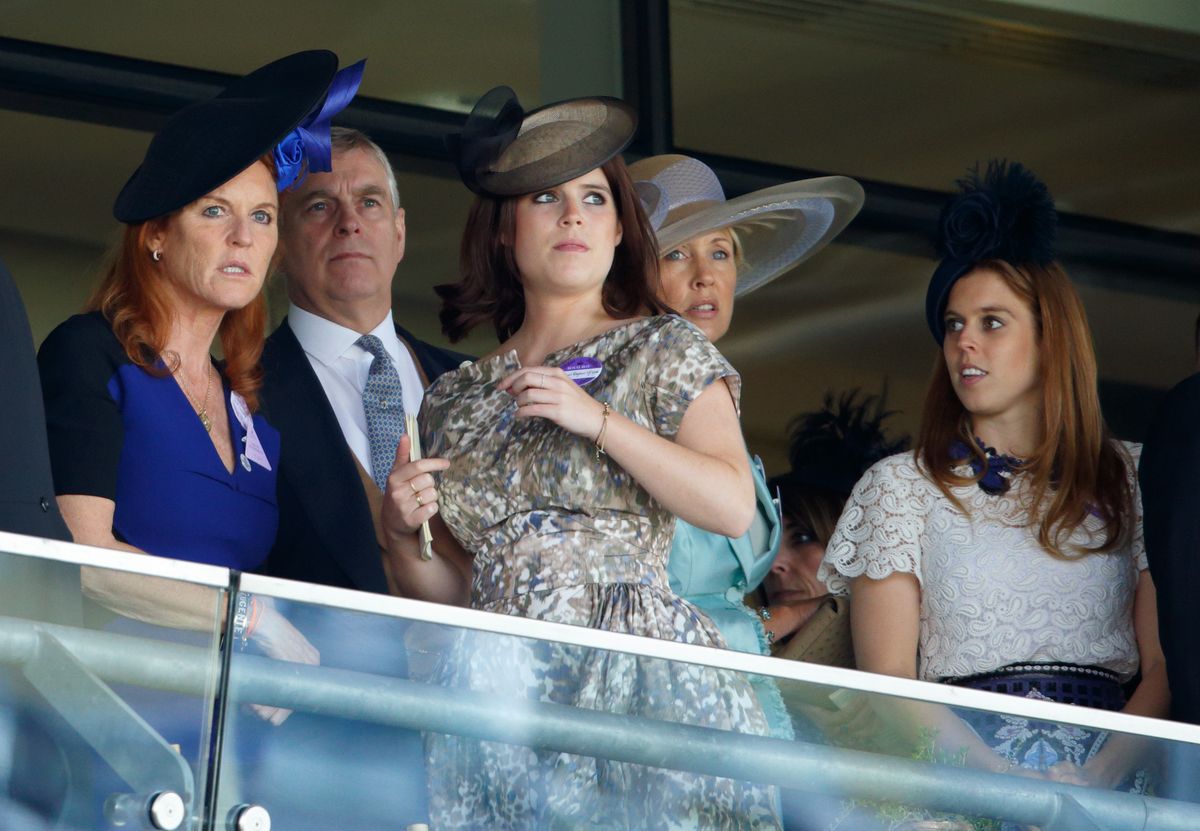 © Getty ImagesPrincess Beatrice and Princess Eugenie of York with their parents at the 2015 Royal Ascot horse races
For years, their presence at Ascot signaled continuity. Photographed in sculptural hats and pastel tailoring, they were woven into the visual rhythm of one of Britain’s most tradition-bound social events. This season, their absence is likely to draw equal attention.
Their names have appeared in previously released court documents related to Jeffrey Epstein, whose past association with Prince Andrew led to his withdrawal from public duties in 2019. Neither princess has been accused of wrongdoing, and there is no evidence suggesting their involvement in criminal activity. Still, the wider York connection has remained a source of reputational sensitivity for the monarchy.
Buckingham Palace has not publicly commented on the Ascot report.
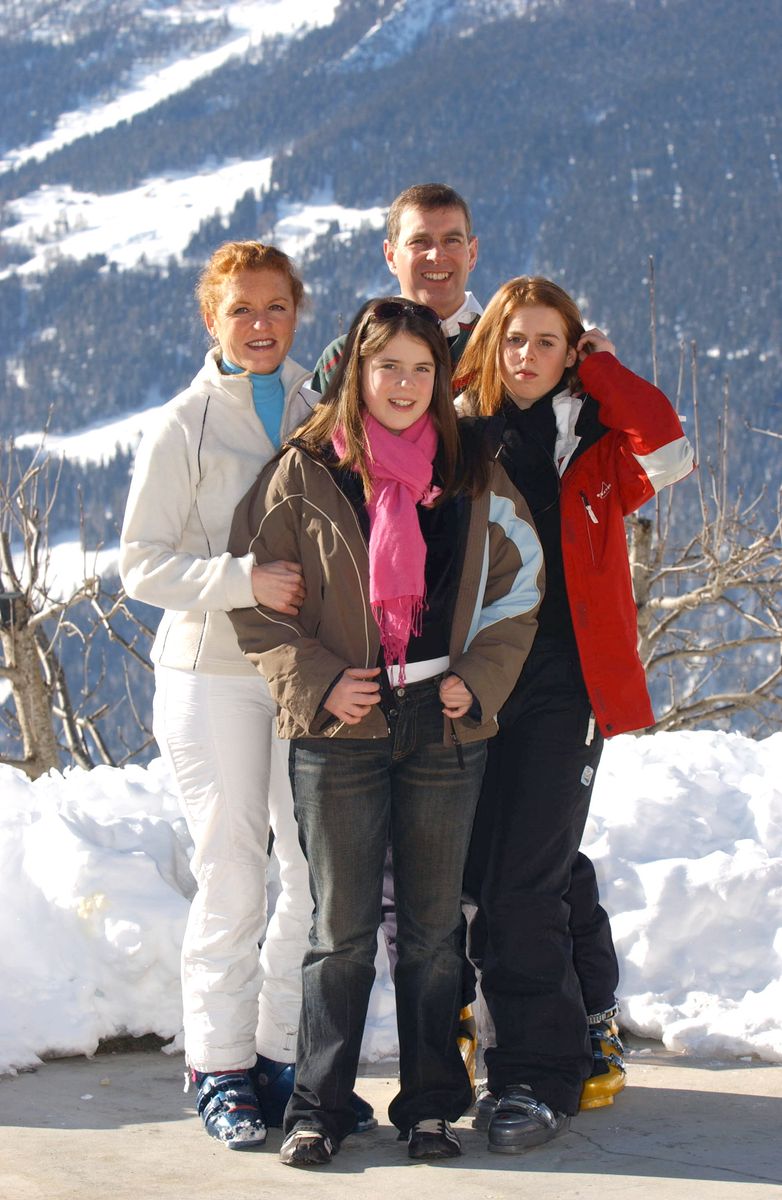 © UK Press via Getty ImagesThe Duke & Duchess of York and Princesses Beatrice & Eugenie attend a photocall in Verbier, Switzerland.
A message sent from the royal box
Royal Ascot was Queen Elizabeth II’s favorite week of the year. It offered one of the clearest expressions of the monarchy’s dual identity: ceremonial spectacle by day, private family ritual by night. Participation in the carriage procession is not merely decorative. Those invited traditionally stay at Windsor Castle the evening before and dine with the family, a gesture that signals inclusion within the working heart of the institution.
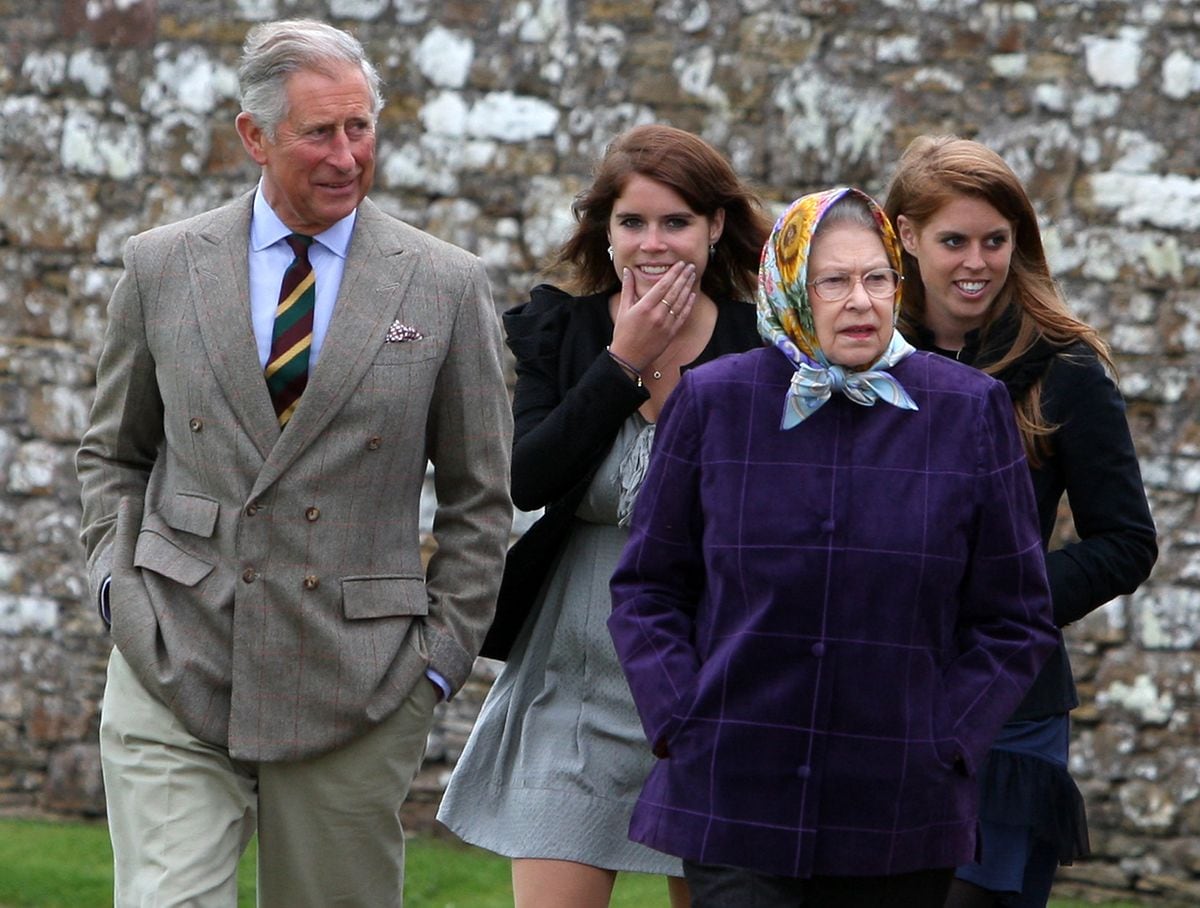 © Getty Images Queen Elizabeth II accompanied by Prince Charles, Prince of Wales, Princess Eugenie; Princess Beatrice
If the reported decision stands, it represents more than a diary change. In royal terms, visibility is currency. The development comes amid ongoing conversations about the shape of the monarchy under King Charles III. Since his accession, there has been a visible emphasis on a streamlined model centered on senior working royals. The York sisters occupy a complex position within that structure. They are princesses by birth but do not carry out official royal duties. They maintain private careers and charitable interests while remaining publicly associated with the institution.
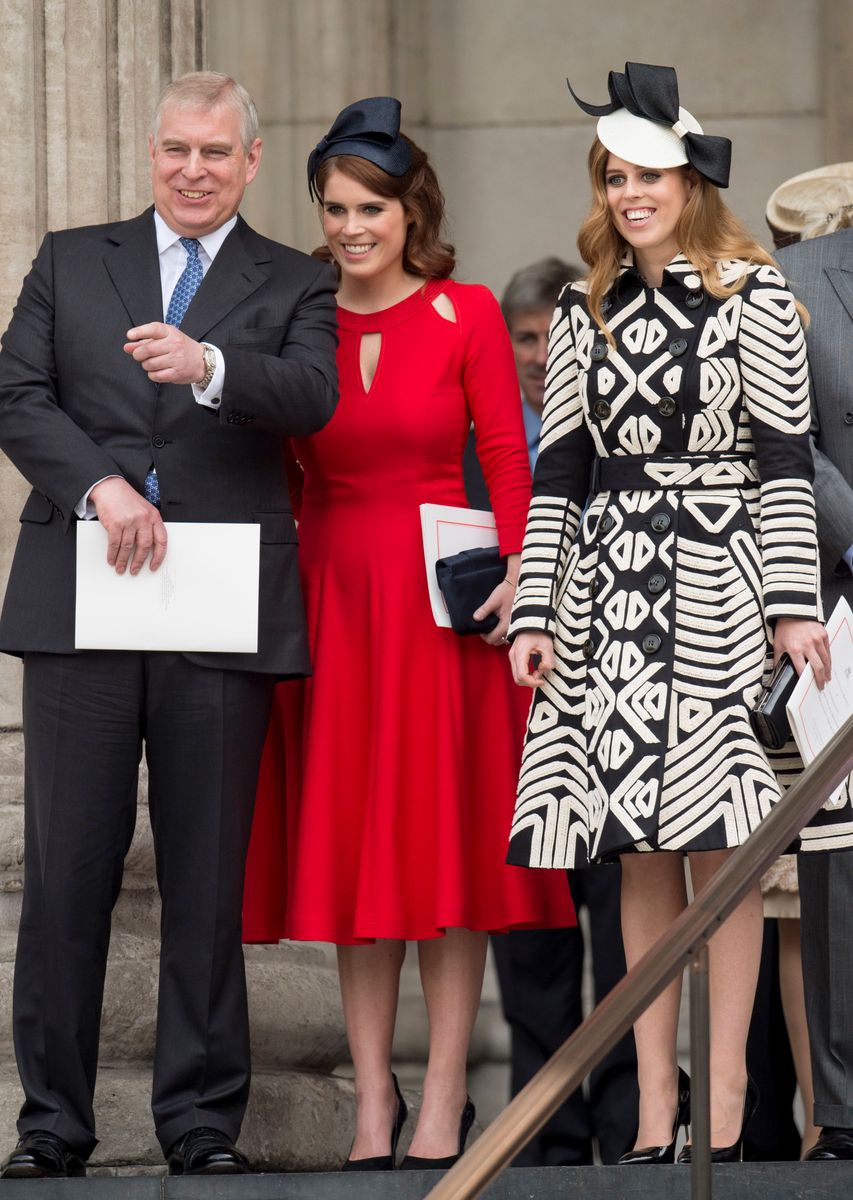 © UK Press via Getty ImagesPrince Andrew, Duke of York with Princess Beatrice and Princess Eugenie attend a National Service of Thanksgiving as part of the 90th birthday celebrations for The Queen at St Paul’s Cathedral
Media reports have suggested that discussions about their long-term public role have taken place behind Palace walls, though no formal announcement has been made. In that context, Ascot may be interpreted as part of a broader recalibration.
Optics, distance, and a slimmed-down monarchy
Recent months have also seen speculation about evolving dynamics within the extended royal family. Several British outlets have reported a growing distance between the York sisters and the Prince and Princess of Wales, particularly at high-profile events. Kensington Palace has not addressed those claims directly.
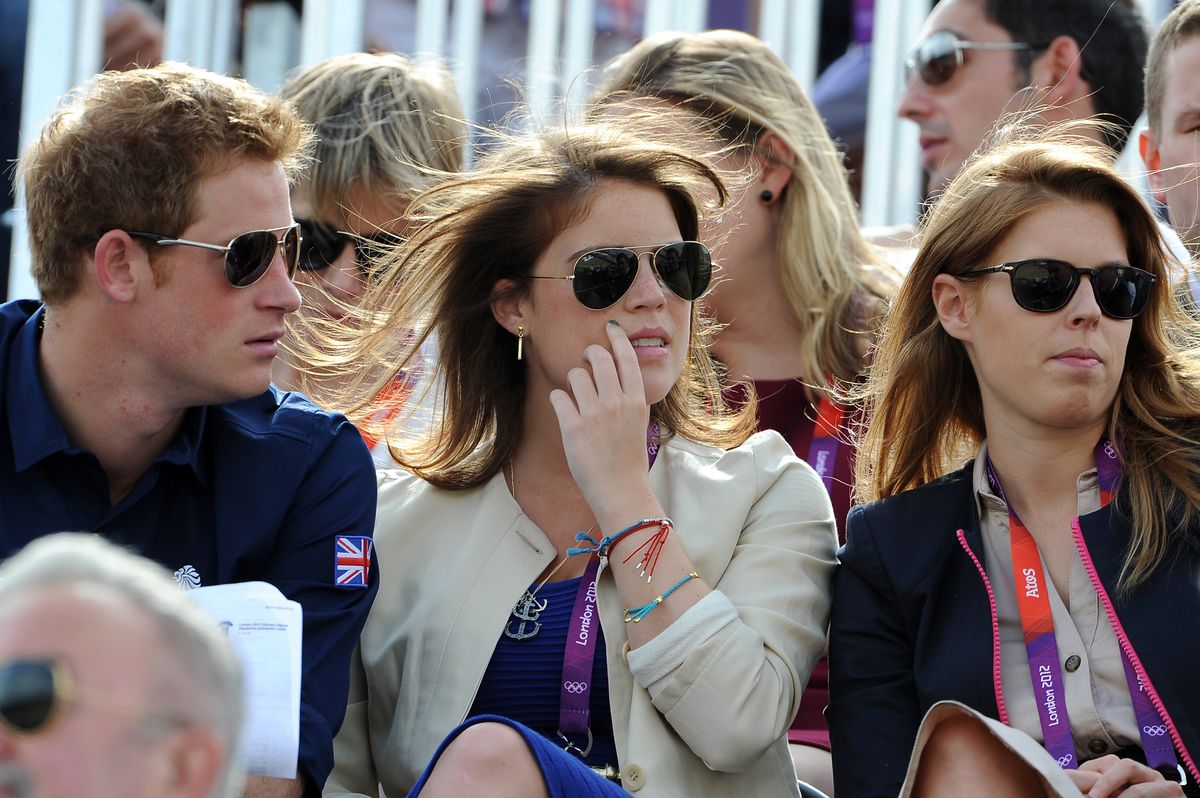 © Getty ImagesPrince Harry, Princess Eugenie, and Princess Beatrice watch the Eventing Cross Country Equestrian during the London 2012 Olympic Games
Observers have nonetheless noted increasingly careful staging at major appearances. At the Christmas Day service in Sandringham, for example, senior working royals appeared in tightly managed groupings. In an era shaped by social media and instant analysis, a single photograph can generate days of commentary. People usually view proximity, whether intentional or not, as significant.
The broader backdrop remains Prince Andrew’s past association with Epstein, which continues to cast a long institutional shadow. While Princess Beatrice and Princess Eugenie have not faced allegations themselves, the monarchy operates in a climate of heightened scrutiny. For a family that increasingly defines itself through duty and discipline, perception matters almost as much as policy.
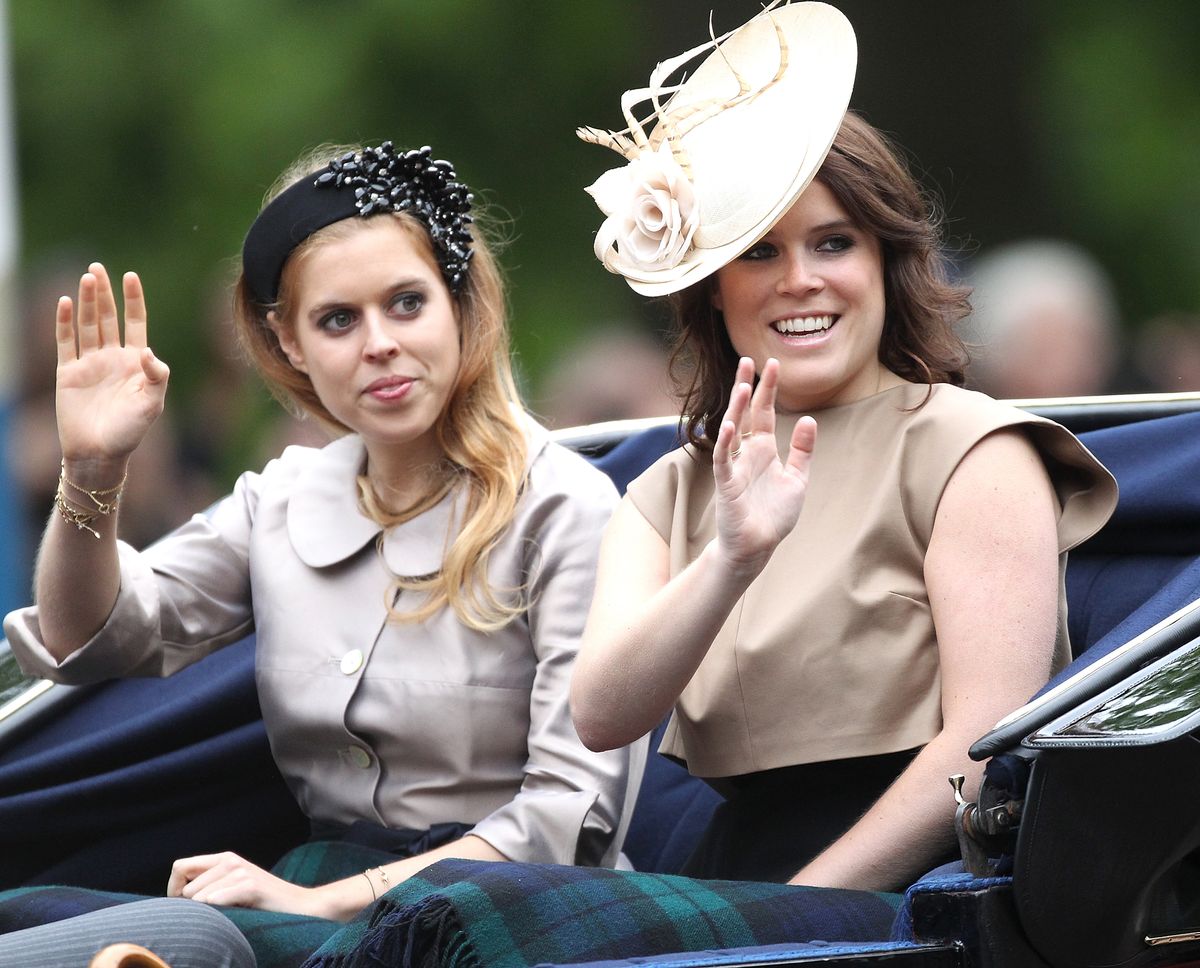 © WireImagePrincess Beatrice of York and Princess Eugenie of York wave at the crowd during the annual Trooping The Colour ceremony at Horse Guards Parade on June 13, 2015.
Questions about the York family’s finances have also surfaced periodically in the British press, though no formal findings have implicated the sisters in wrongdoing. Still, any ambiguity can become a vulnerability in a monarchy that is recalibrating its public role for a more skeptical age.
The moment is multi-layered for Beatrice and Eugenie. Both have built modern identities that balance professional careers, philanthropic involvement, and young families. People often perceive them as approachable members of the extended royal circle, seamlessly navigating between aristocratic tradition and modern London life.
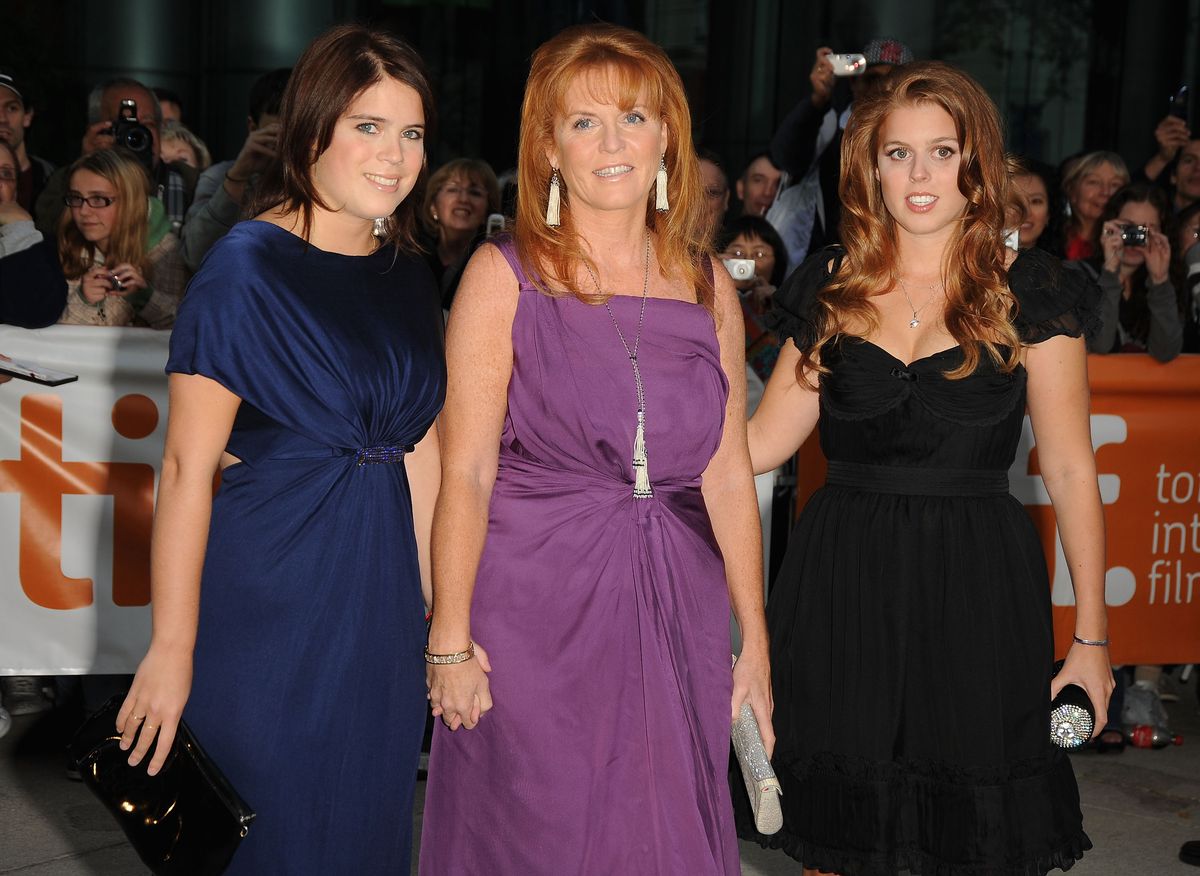 © WireImageSarah Ferguson, the Duchess of York with Princesses Eugenie and Beatrice of York
However, their birth institution does not tolerate uncertainty. The monarchy of 2026 is leaner and more deliberate. Who rides in a carriage? Who stands in the Royal Box? Who appears in a family photograph? Each choice carries symbolic weight.
Royal Ascot will proceed with its customary pageantry. The dress codes will hold. The carriages will roll down the course. The cameras will pan toward the Royal Box. But this year, two familiar figures are expected to be missing from the frame. In royal life, absence can speak as clearly as presence.